Jump to main content
/

Hokkaido

The traditional land of the Ainu, once called Ezo-chi

A regional prefecture located in the far north of Japan. The do in Hokkaido is a form of Japanese administrative district. Hokkaido faces Honshu to the south across the Tsugaru Strait. The island can be divided into two chief parts: the main eastern body of the island bordered by the Ishikari and Yufutsu Plains, and the southwestern peninsula portion made up primarily by the Oshima Peninsula. The Kitami and Hidaka mountains run north-south through the central part of the main body of the island, with the Ishikari Mountains situated between them. In the eastern part is the Tokachi Plain, the Shiranuka Hills, and the Konsen Plateau, and at the eastern tip, the Shiretoko and Nemuro peninsulas jut out into the sea. The prefecture features a generally cool, subarctic climate, with the Sea of Japan side receiving a great deal of snow accumulation in wintertime, and the areas along the Pacific coast experiencing sea fog in summertime. Inland areas feature a continental climate with high temperatures in the summer and intense cold in the winter. During the winter, ice floes (drift ice) can be seen in the Sea of Okhotsk.


   Once called Ezo-chi, the island was home to the indigenous Ainu people, though starting in the Kamakura period (1185–1333), more ethnically Japanese settlers gradually migrated to the area. This led to conflicts between the Ainu and Japanese, with Koshamain’s revolt occurring in the mid-Muromachi period (around the 15th century) and Shakushain’s revolt taking place in 1669. In the Edo period (1603–1868), the Matsumae clan of Matsumae Domain took increasing control in governing the region, which came to be divided into Matsumae-chi — the realm of Japanese inhabitants — and Ezo-chi, the realm of Ainu inhabitants. In the Bakumatsu period (the closing days of the Tokugawa Shogunate, 1853–1868), the Edo shogunate placed Ezo-chi under the direct control of the shogunate due to the need to defend the northern frontier. After the Meiji Restoration, Ezo-chi was renamed Hokkaido, and the Kaitakushi (Hokkaido Development Commission) was established to invite immigrants to the region, which was then developed and defended by tondenhei (agricultural soldiers or colonizers). In 1882, the Kaitakushi was abolished, and in 1886, the Hokkaido-cho (Hokkaido Government Office) was established. In 1897, 19 subprefectures (shicho) were established for the administrative district of Hokkaido, with incorporations and reorganizations bringing the number down to 14. In conjunction with reforms to the subprefecture system enacted in 2010, these were made into General Subprefectural Bureaus and Subprefectural Bureaus. In 2005, Shiretoko was designated a World Natural Heritage Site. The Jomon prehistoric sites in Hokkaido and northern Tohoku that were designated World Cultural Heritage Sites in 2021 also include six archaeological sites in Hokkaido.

ゆかりの人物
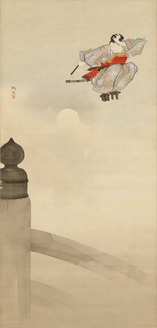
Minamoto no Yoshitsune
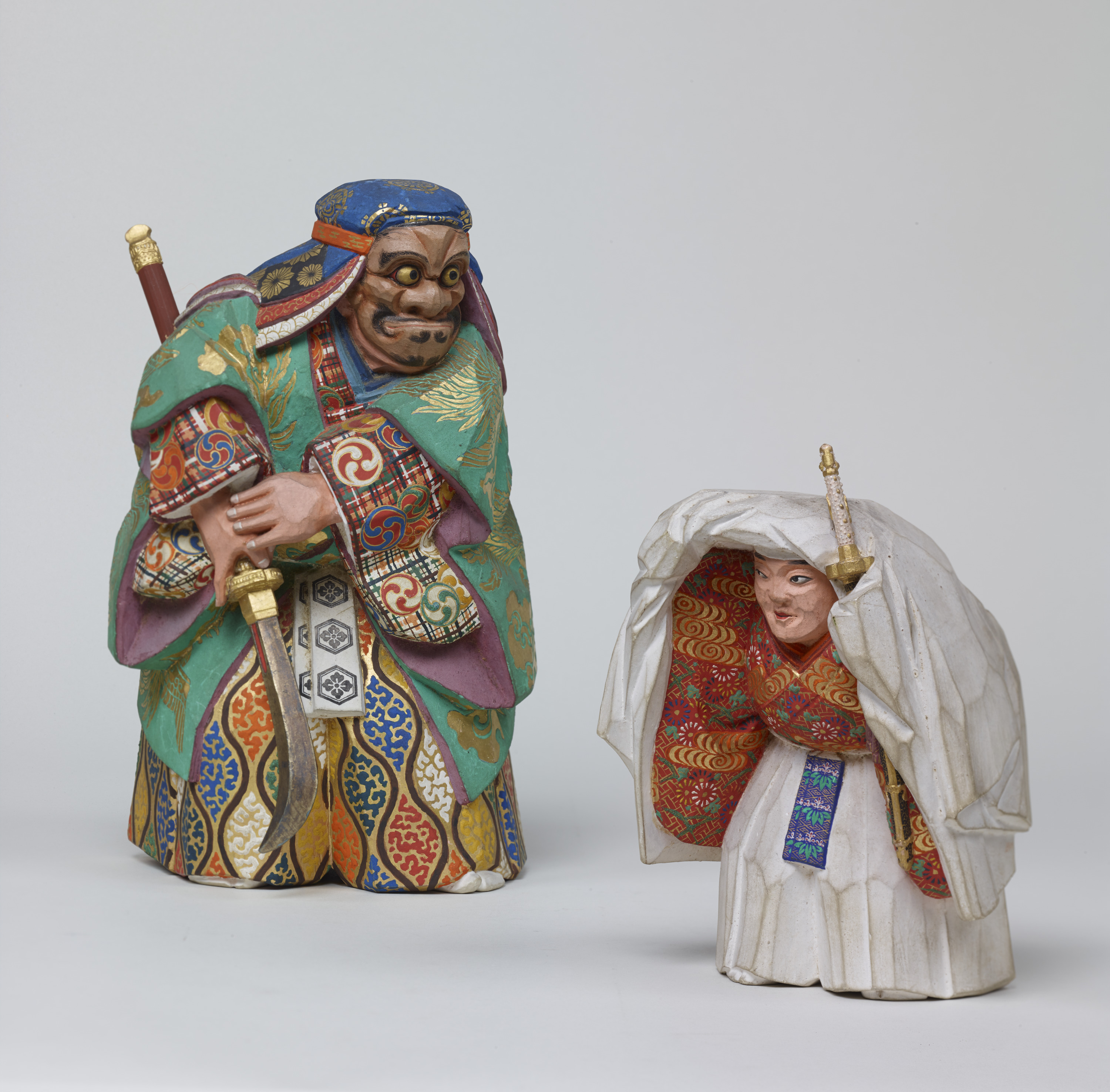
A tragic military commander featured in a host of legends and associated with sympathetic treatment of inferiors

Benkei

The brave Buddhist warrior-monk who later became Minamoto no Yoshitsune's retainer

コシャマイン

15世紀のアイヌの首長。和人がアイヌの青年を刺殺したことに端を発し、1457年(長禄元年)に起きたアイヌ蜂起を指導。渡島(おしま)半島南端に館(たて)を築いて群雄割拠していた和人小豪族の諸館が相次いで陥落したが、武田信広(松前氏の祖)が和人軍を指揮して反撃を加え、コシャマイン父子は射殺された。これによってアイヌ軍の勢力は急速に弱まり、戦いは鎮圧された。画像は渡島半島南西部の上ノ国町でのコシャマイン慰霊祭の様子。

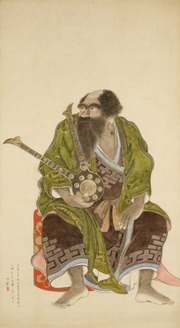
Portrait of Tobu, the Chieftain of Monbetsu, Ezo
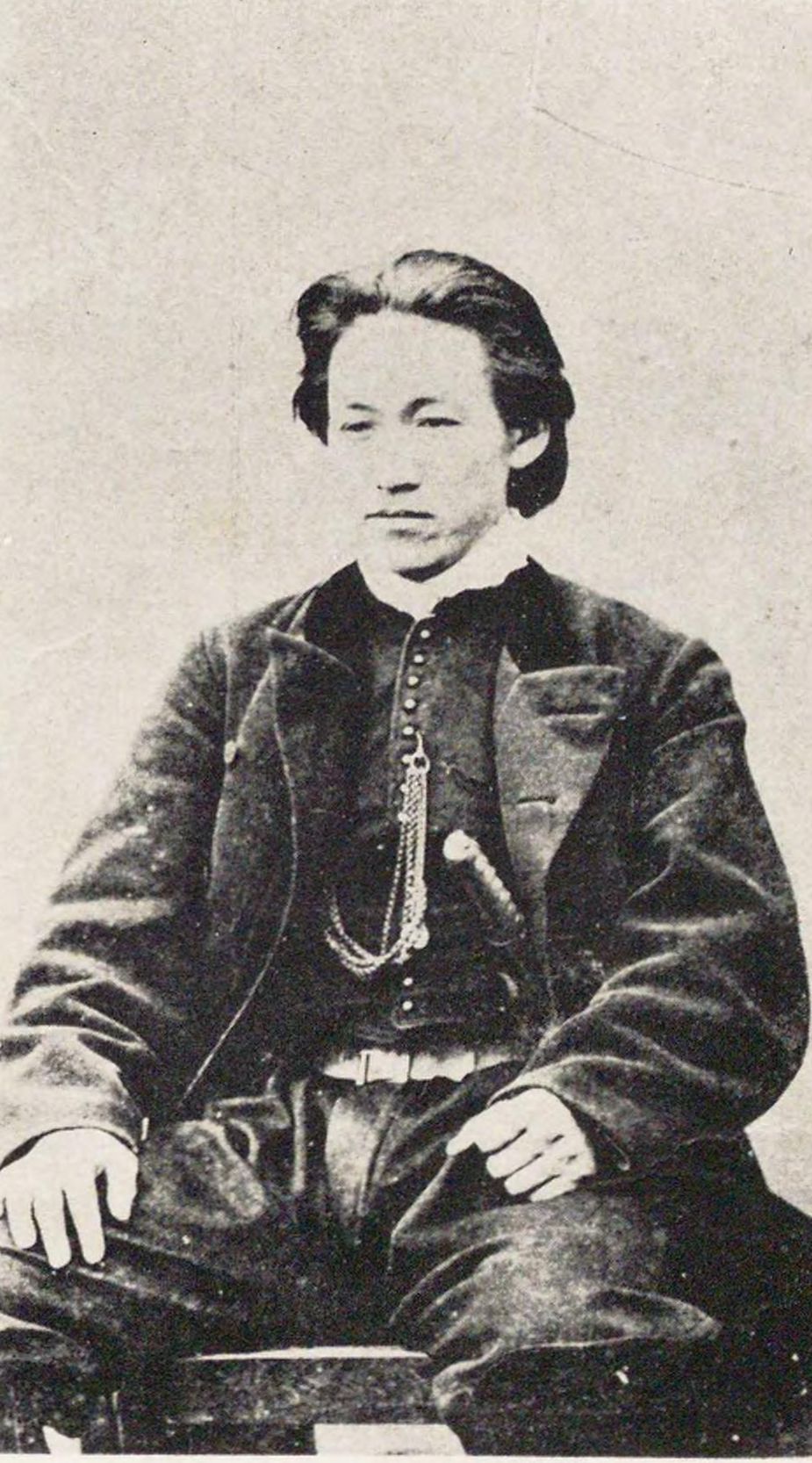
This portrait depicts a dressed-up Ainu chieftain seated on a container holding a ritual hoe-shaped crest.

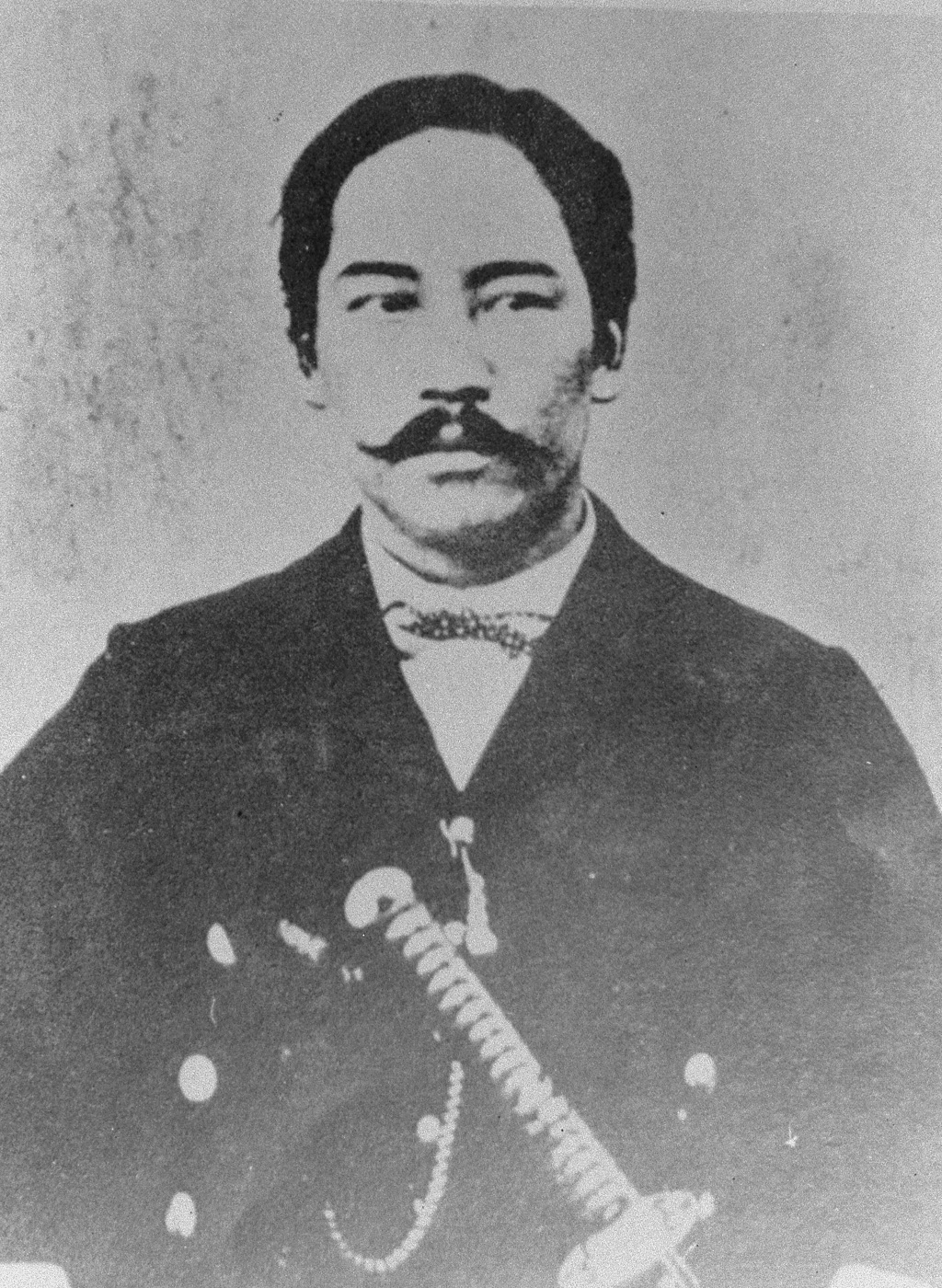
土方歳三(ひじかたとしぞう) External Site

幕末の新選組副長。武蔵国多摩郡石田村(現東京都日野市)で生まれる。慶応4年(1868)の鳥羽・伏見の戦いで幕府軍として敗れたが、各地を転戦したのちに陸奥仙台から箱館に逃れ、榎本武揚の指揮下に入った。しかし、翌年5月の箱館戦争(五稜郭の戦い)で戦死。

榎本武揚(えのもとたけあき) External Site

幕末・明治時代の軍人、政治家。江戸で生まれる。幕府軍に属し、江戸開城後に主力艦を率いて北海道に渡って蝦夷島総裁に選ばれたが、明治2年(1869)に新政府軍の総攻撃を受けて箱館戦争(五稜郭の戦い)で降伏。出獄後に黒田清隆開拓次官の下で北海道開発を手掛け、同7年に海軍中将兼特命全権公使としてロシアに赴き、樺太・千島交換条約を締結した。

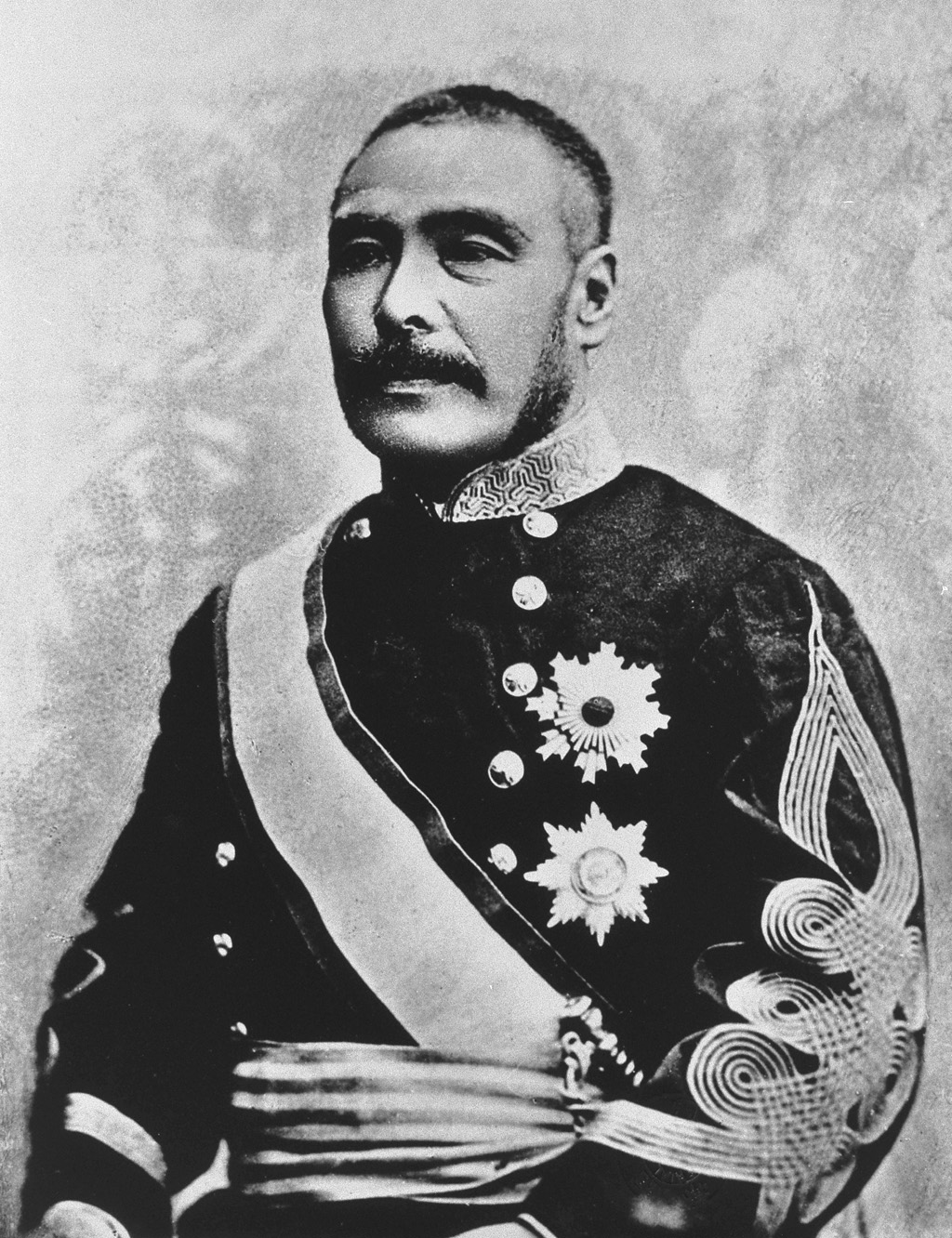
黒田清隆(くろだきよたか) External Site

明治時代の軍人、政治家。薩摩国の鹿児島城下で生まれる。早くから西郷隆盛と大久保利通の知遇を得ており、明治3年(1870)開拓次官に任ぜられ、北海道の開拓・殖産および教育に専念した。同14年に開拓使官有物払下問題に端を発した政変(明治14年の政変)で内閣顧問の閑職に追われたが、同21年に内閣総理大臣となっている。

ウィリアム・スミス・クラーク

アメリカの化学者、教育家。北海道開拓事業をつかさどる明治政府の機関である開拓使の懇望によって、明治9年(1876)6月にマサチューセッツ農科大学の大学長のまま来日。同年8月開校の札幌農学校(北海道大学の前身)初代教頭に就任し、事実上の創設者となった。翌年4月の帰国に際し、「Boys, be ambitious for the attainment of all that a man ought to be.」(青年よ、人間の本分をなすべく大望を抱け)の名言を残した。

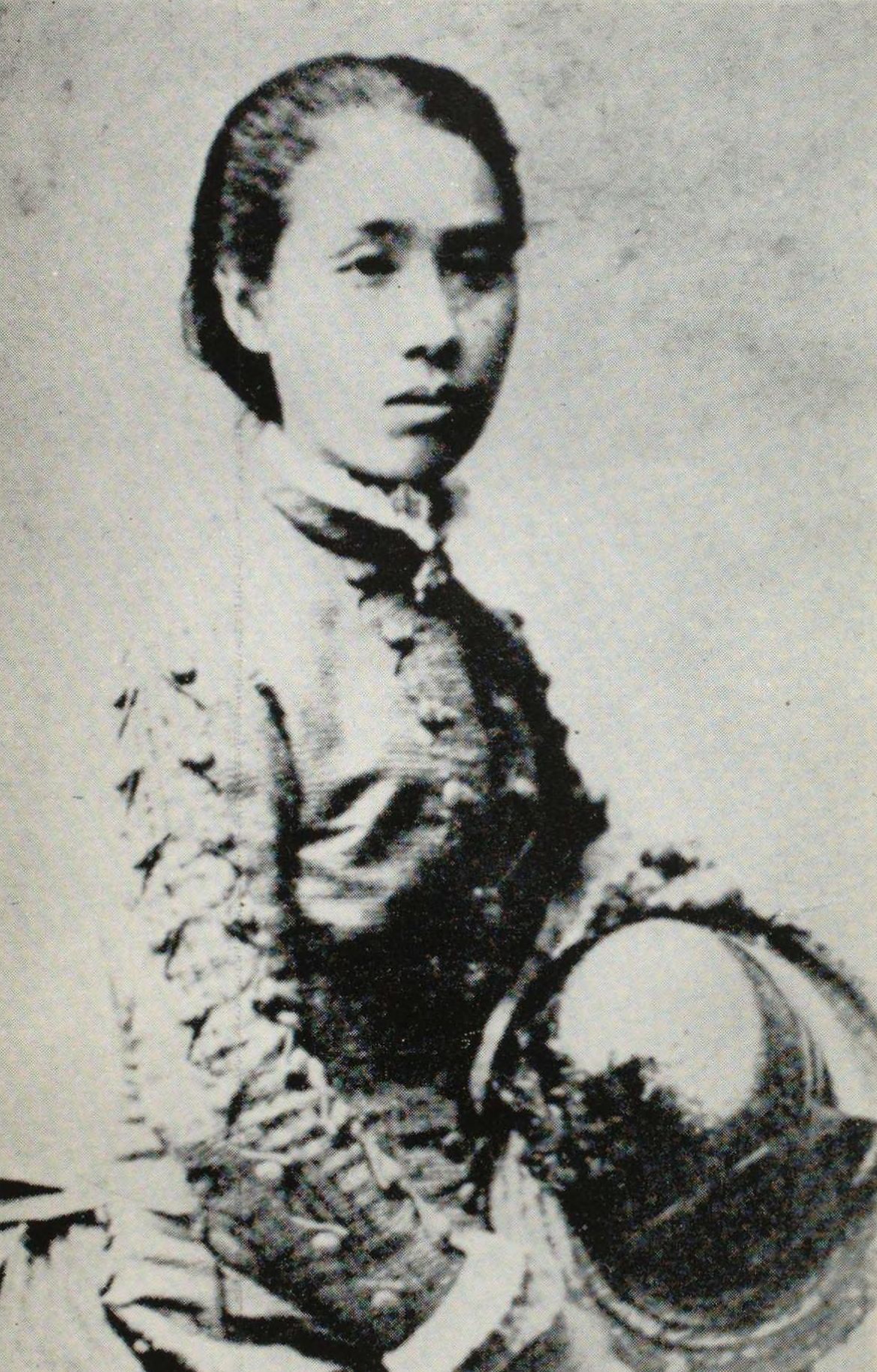
荻野吟子(おぎのぎんこ) External Site

日本近代女医の草分け。婦人運動にも関与して婦人の地位向上に努めた。武蔵国大里郡秦村(現埼玉県熊谷市)の出身。自らが病気(淋病)になった経験から女医の必要性を痛感し、自らが女医になる決心をしたが、先例がないため苦難の道を歩んだ。明治18年(1885)に医術開業試験の後期試験に合格、日本における女性の第一号医籍登録者となった。同27年に北海道に渡り、瀬棚郡瀬棚村(現せたな町)で開業した。

ジョン・バチラー

アイヌ救済に生涯を献げたイギリス聖公会宣教師。バチェラーともいう。明治10年(1877)に来日。アイヌ伝道に使命を覚え、宣教師として勉学のためにいったん帰国。同16年に再来日し、有珠・平取などでのコタン伝道と福祉のために尽力した。その間、アイヌ語聖書・祈祷書や『アイヌ英和対訳辞典』をはじめ、英文・邦文のアイヌ関係書数十点を発表した。画像はバチラーの著書『アイヌ語より見たる日本地名研究』の表紙。

金田一京助(きんだいちきょうすけ) External Site

言語学者。アイヌ文学の研究およびアイヌ語学の創設者。明治15年(1882)岩手県盛岡に生まれる。旧弊として顧みられなかったアイヌ語の研究をライフワークとし、初めてアイヌ叙事詩ユーカラを紹介した。『アイヌ叙事詩ユーカラの研究』2巻、『アイヌ叙事詩 ユーカラ集』などのユーカラやアイヌ語文法に関する著書は多数。

Kite, harpoon

Ainu people used this harpoon to catch swordfish. Its head is made of iron, and its handle of antler. Harpoons of this type were used in the Iburi region.

伊藤整(いとうせい) External Site

詩人、小説家、評論家。本名は整 (ひとし)。松前郡炭焼沢村(現松前町)に生まれる。第2次世界大戦後に詩、小説、評論、戯曲などの形式を組み合わせた現代知識人文学の代表作『鳴海仙吉』を発表。同時に日本近代小説の私小説的性格を西欧と対比させながら明らかにした評論集『小説の方法』を出した。昭和25年(1950)に翻訳・出版したD・H・ローレンスの『チャタレイ夫人の恋人』が猥褻 (わいせつ) 文書の疑いで起訴され、いわゆるチャタレイ裁判が起こった。

井上靖(いのうえやすし) External Site

小説家。旭川の生まれ。昭和11年(1936)毎日新聞大阪本社に入社。『あした来る人』、『氷壁』などで新聞小説作家としての地歩を固め、『天平の甍 (いらか) 』、『楼蘭 (ろうらん) 』、『蒼き狼 』、『風濤 (ふうとう) 』で歴史小説の手法を確立、さらに『おろしや国酔夢譚 (すいむたん) 』でその手法をいっそう深化させた。昭和51年(1976)文化勲章受章。

名物・特産

Salmon

A fish that has been an essential and familiar part of Japanese food culture since ancient times

Pacific Herring (Clupea pallasii)

As a fish-based fertilizer, supported Japanese agriculture during the Edo period and the building of “herring mansions” in the Meiji period

Konbu

Long used for dashi stock, konbu has gained international recognition as a source of savory umami, the fifth flavor

ハナサキガニ(花咲ガニ)

十脚目タラバガニ科の甲殻類。近縁のタラバガニなどに比べると分布が狭く、カムチャツカ半島から千島列島を経て積丹(しゃこたん)岬以北の北海道沿岸に分布し、浅海の岩場にすむ。生息密度が高いのは千島列島から根室市の近海にかけてで、幼ガニは岩礁でも見られる。和名は根室半島の別名である花咲半島にちなむ。

Crane (Tsuru)

A symbol of longevity and health, the crane figures prominently in the pine-and-crane motif, seen in many paintings

マリモ

緑藻植物、アオミソウ科の淡水藻。釧路市北部の阿寒湖、その北部の水深1メートルの湖底に生息するものが有名。大きな球状体(直径25㎝以上)のマリモが群生しているのは世界でも珍しい。阿寒湖のマリモは国の特別天然記念物に指定されている。

Horse (Uma)

Odd-toed ungulates of the Equidae family that have been a part Japanese life since traditional times, especially for military and transportation uses

ジャガイモ畑

北海道のジャガイモ(馬鈴薯/ばれいしょ)は収穫量が全国一位。広大な農地を有するオホーツク地方と十勝地方が2大産地とされている。画像は北海道中央部の美瑛(びえい)町のジャガイモ畑。

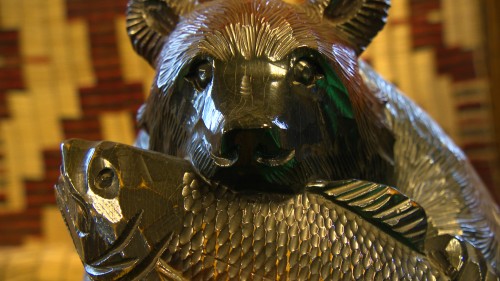
Woodcarving techniques

北海道名産の木彫りの熊。木彫りの熊といえば鮭を咥えた姿が有名。

旭川ラーメン

北海道の人気グルメとして知られるラーメン。各地にそれぞれの味と特徴があるが、札幌・函館・旭川が北海道三大ラーメンとされる。札幌ラーメンはこってり濃厚な味噌味、函館ラーメンはあっさりとした塩味、旭川ラーメンは香ばしい醤油味が特徴。

ジンギスカン

北海道を代表する郷土料理。マトン(成羊肉)やラム(仔羊肉)などの羊肉を用いた日本の焼肉料理である。画像は椿貞雄作「ジンギスカン」(千葉県船橋市所蔵)で、昭和28年(1953)の作品。

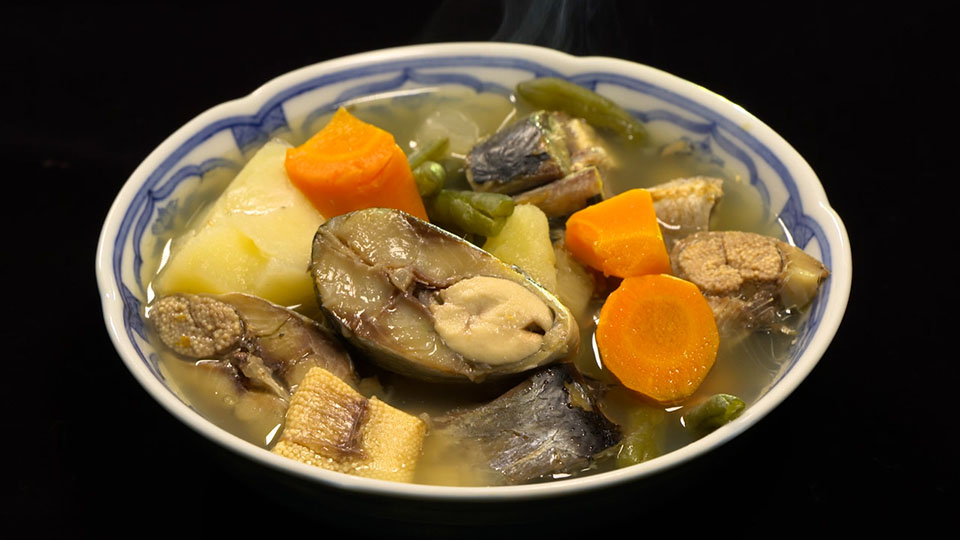
Nishin Sampei-jiru (herring soup)

三平汁(さんぺいじる)は、塩サケや塩タラと野菜を煮込んだ北海道の郷土料理。ニシンが豊富に獲れた時代には、塩漬けやぬか漬けのニシンで作られたという。名前の由来は、蝦夷松前藩の齊藤三平が始めた料理という説や、有田焼の三平皿という深皿に盛ることからなどの説がある。

名所・史跡

大雪山(たいせつざん)

北海道中央部に広がる火山群。「だいせつざん」ともいう。北海道の最高峰である旭岳(2291m)をはじめとして、2000m前後の峰々が連なる。大雪山国立公園の中心をなしており、夏の間だけ姿を現す高山植物の群生は、まさしく奇跡の花園である。

Mt. Yotei

北海道南西部、渡島(おしま)半島の基部にある火山。標高1898m。富士山に似た山容をもつため蝦夷富士とも呼ばれる。山頂からは東に恵庭(えにわ)岳、樽前(たるまえ)山、支笏(しこつ)湖を見おろし、南の眼下には洞爺湖、昭和新山、噴火湾、西にはニセコ連峰や日本海が臨まれる。

摩周湖(ましゅうこ)

北海道東部の弟子屈(てしかが)町に位置する湖。アイヌの人々は「神の湖」と呼んできた。湖面標高351m、周囲24㎞、面積19.6㎢、最深部212m。透明度は15~32mほどで、昭和6年(1931)には41.6mの世界最高記録を観測した。透明度の高い青色の湖水は「摩周ブルー」と呼ばれる。

北海道洞爺湖町

北海道南西部、虻田(あぶた)郡に位置するカルデラ湖。支笏(しこつ)洞爺国立公園の中心をなしている。水面標高84m、周囲52㎞、面積70.7㎢、最深部179.7m。湖の中央部には中島(最高点は標高455m)をはじめ観音島、弁天島、饅頭島などの中央火口丘がある。南岸には洞爺湖温泉が広がり、付近には活火山の昭和新山や有珠山(うすざん)などがある。

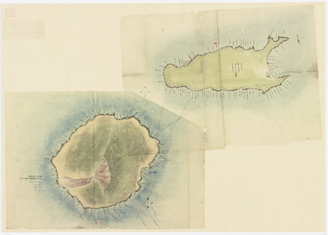
Survey Map of Rebun and Rishiri Islands

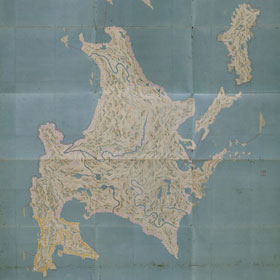
北海道稚内市の北西20㎞に浮かぶ利尻島と、利尻島から8㎞西にある礼文島。画像は今井八九郎作「礼文島・利尻島測量製図」(東京国立博物館所蔵)で、江戸時代・19世紀の作品(国指定重要文化財)。左下が利尻島図、右上が礼文島図である。浄書本の地図で、経線・緯線ともなく、方位線が数本引かれており、利尻島図は利尻山(利尻富士)を段彩法によって高度をもたせて表している。

知床(しれとこ)

北海道東端、オホーツク海に突き出た半島一帯の地域。平成17年(2005)に世界自然遺産に登録された。最高峰の羅臼岳(標高1661m)などからなる知床連山が縦走するオオワシ、アザラシ、エゾシカなど多数の野生生物の宝庫。画像は知床岬の流氷。

納沙布岬(のさっぷみさき)

北海道東部、根室半島の突端にある岬。根室市に属している。先端に建つ納沙布岬灯台は明治5年(1872)の点灯で、北海道最古の灯台。岬からは珸瑶瑁(ごようまい)水道を隔てて水晶島、勇留(ゆり)島、秋勇留島などの歯舞(はぼまい)諸島の島々を展望できる。

釧路湿原

北海道東部、釧路川と阿寒川の下流部一帯に広がる釧路平野に位置する。標高10m未満の低湿な泥炭地で、釧路市および釧路町、標茶(しべちゃ)町、鶴居(つるい)村 にまたがっている。国指定特別天然記念物のタンチョウなどの野生生物の生息地で、昭和55年(1980)に日本で最初のラムサール条約登録湿地となった。釧路湿原国立公園にも指定されている。

登別温泉

登別市に所在する温泉。画像は大正時代の登別温泉。「青い目の見た大正時代の日本」からのもので、大正6年(1917)から同7年に撮影された日本各地の記録映像。アメリカのスミソニアン博物館とNHKが保管している。登別温泉は江戸時代に硫黄採掘を行いながらつくられた共同浴場が始まりとされる。

Ofune Site: Panoramic view

渡島(おしま)半島東岸の函館市南茅部(みなみかやべ)地区に所在する縄文時代中期の大規模な集落跡。国指定史跡。令和3年(2021)に世界文化遺産に登録された「北海道・北東北の縄文遺跡群」の構成資産となっている。画像は整備後の竪穴建物跡や盛土遺構が復元された様子。

松前城

江戸時代の城。松前町に所在し、福山城ともいう。国指定史跡。松前城下は蝦夷地唯一の藩である松前藩の城下町。松前城は慶長5年(1600)に松前慶広(よしひろ)が築いた福山館に始まり、江戸幕府は北辺警備の必要から嘉永2年(1849)に松前崇広(たかひろ)を城主大名に格上げして築城を許可、工事は翌年から開始された。戊辰戦争の際には旧幕府軍の榎本武揚らに攻められ、城中は廃墟と化した。

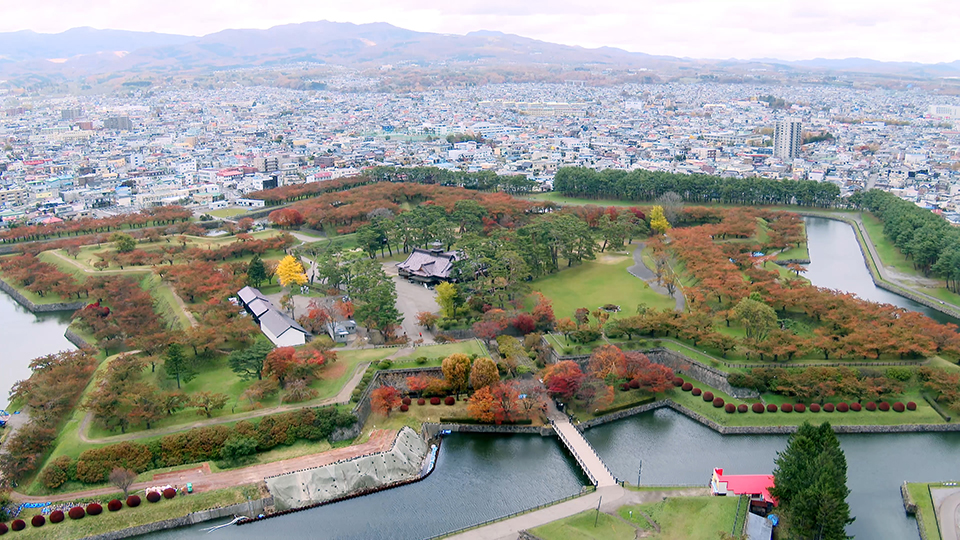
Goryokaku

From its million-dollar night views to its gorgeously kept 19th-century Western-style buildings, the port city of Hakodate has a lot to offer. There is one spot that visitors will not want to miss: a curious star-shaped structure carpeted with cherry trees that bloom magnificently in spring. The fort was drafted by Takeda Ayasaburo, who probably referred to French texts in its construction. The five points (bastions) were designed to house cannon emplacements and prevent blind spots in the fort's defenses. Many similar fortifications, such as the Dutch Bourtange Fortress, remain in Europe today. During the Edo period (1603 - 1867), the reigning Tokugawa shogunate closed Japan’s ports to most of the outside world, withdrawing into more than 200 years of self-imposed isolation. This policy, called sakoku, came to an abrupt end in 1853 when American Admiral Matthew Perry arrived with a fleet of armed “black ships” into the bay off of Japan’s capital. A year later, with the signing of the Treaty of Kanagawa, Japan opened two ports to the rest of the world - Hakodate and Shimoda. As Japan entered into similar treaties with different nations, Hakodate saw more foreign ships come and go. Pressed to defend Japan’s ports against threats from abroad, the Tokugawa shogunate commissioned Fort Goryokaku. It took seven years to complete. Visitors can now also explore the fully restored Hakodate Magistrate's Office, a building once used to govern the area that stands within the fort premises. The full splendor of this fort can be viewed from the observation deck of the nearby 107-meter Goryokaku Tower.

出来事・行事

Kitamae Ships

Large Japanese ships that plied the route between Hokkaido and Osaka in the Edo period and were used in northern maritime trade

屯田兵(とんでんへい)の兵屋

画像は「新琴似屯田兵屋の写真」(北海道デジタルミュージアム)。入村時の屯田兵(明治期の北海道に配備された開拓と防備を目的とした土着の兵団)の兵屋の写真で、新琴似兵村(現札幌市北区)の兵屋は開墾や農業に便利なように、それぞれの給与地に一戸建てとされていた。木造切妻式の平屋で、土間や炉のついている。

ニシン漁

画像は「北海道鰊大漁概況図」(余市水産博物館所蔵)。明治22年(1889)に描かれたニシン漁場の活況を示したものであるが、特定の場所を描写したものではない。右には沖の建網でのニシン漁獲作業と浜への陸揚げ、左にはニシンをさいて干したり、釜で煮て圧搾したりして、ニシン粕を製造する作業などが描かれている。 

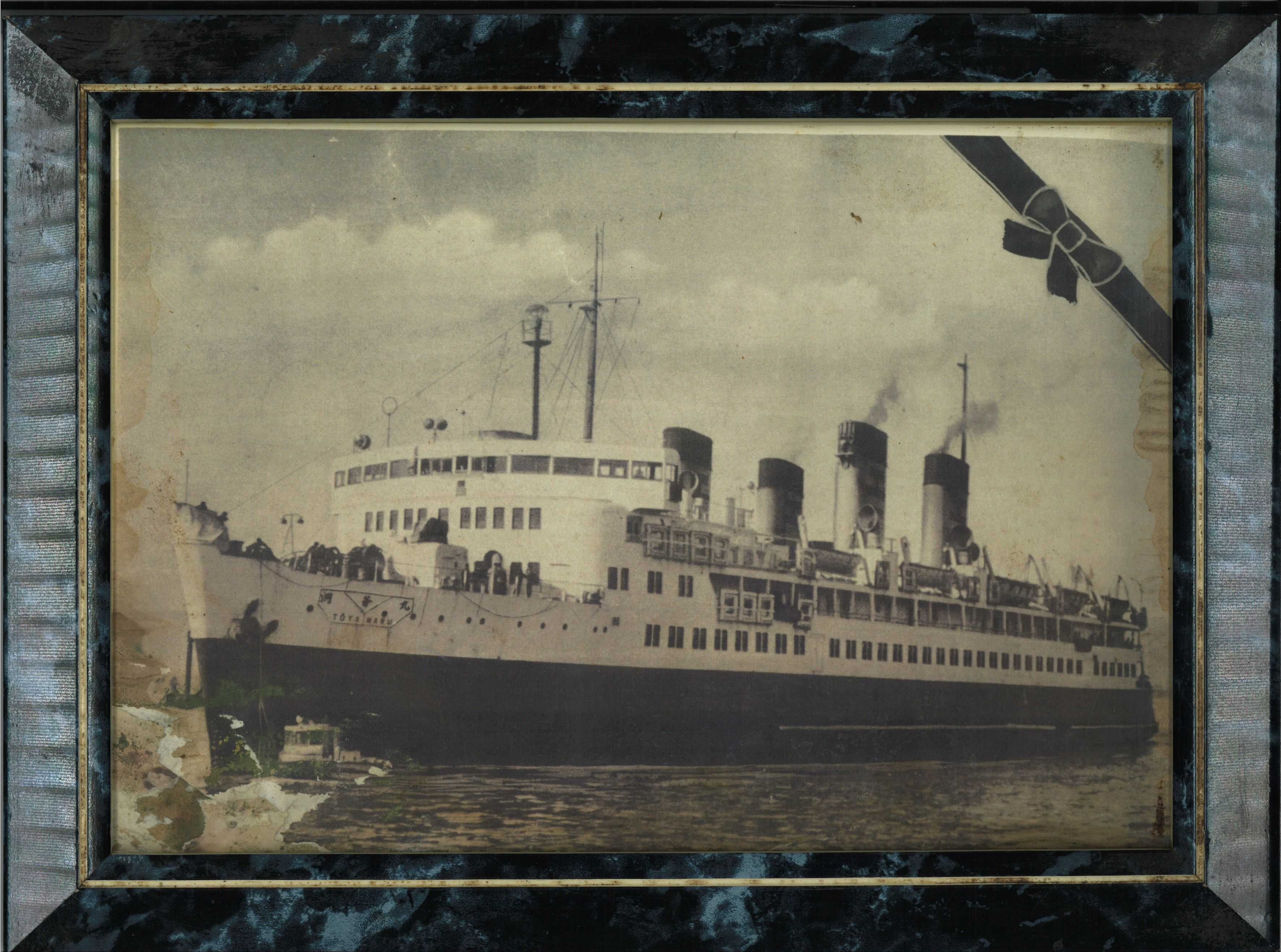
洞爺丸事件

昭和29年(1954)におこったわが国最大の海難事故。旧日本国有鉄道の青函連絡船「洞爺丸」が、台風15号のために函館港で沈没。在船者1314人中1155人が死亡。その事件は世界海難史上、タイタニック号の事件に次ぐといわれる。写真は遭難した洞爺丸(絵葉書写真)。

札幌オリンピック

昭和47年(1972)2月3日から同月13日まで、札幌市を中心会場として開催された第11回冬季オリンピック大会。アジアで初めての冬季オリンピック大会である。画像は「札幌オリンピック冬季大会記念切手シート」。

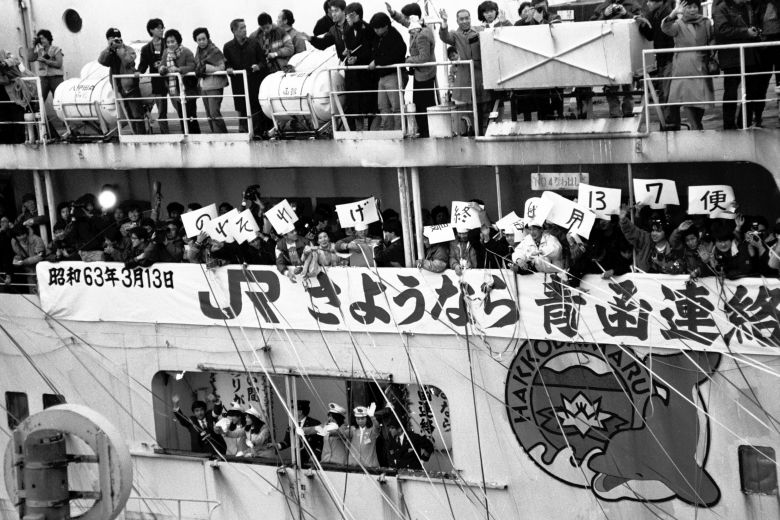
青函連絡船の終航

昭和63年(1988年)3月、青函トンネルの開通にともなって北海道旅客鉄道(JR北海道)の青函連絡船は廃止された。前年のJR北海道発足時には、客貨船として八甲田丸、大雪丸、摩周丸、羊蹄丸などの計8隻が就航していた。現在では青森に八甲田丸、函館に摩周丸が保存、展示されている。

さっぽろ雪まつり

毎年2月に札幌市内の大通公園を中心として開催される祭り。会場には巨大な雪像やバラエティに富んだ雪や氷の像が展示され、海外からも多数の観光客が訪れる。冬の北海道を代表するイベントで、夜になるとライトアップされた雪像がより迫力を増し、幻想的な世界をうみだす。

へそ祭り

富良野市で毎年7月に行われる祭り。正式には「北海へそ祭り」といわれる。富良野が北海道の中心、すなわち「へそ」にあたることから名付けられた夏祭り。お腹を見せ、へその周りに顔を描き、踊りながら街中を練り歩く。

層雲峡の氷瀑まつり

毎年1月下旬から上川町の層雲峡温泉で開かれる祭り。水と自然の寒さだけで作られた氷の芸術が並び、夜はライトアップされて幻想的な光景となる。

Figures who explored the northern territories

Tadataka Ino

A geographical surveyor of the Edo period who created the first map of Japan using surveying techniques

Tokunai Mogami

An explorer during the Edo period who worked with Juzo Kondo to survey the Ezo region

Juzo Kondo

An explorer of the Ezo region at the end of the Tokugawa period who placed a signpost for Japan naming Iturup Island as Etorofu

Kahei Takadaya

A shipping agent in the late Edo period who contributed to the development of Ezo (territories north of Honshu), and who was captured and confined to Kamchatka

Rinzo Mamiya

A Japanese explorer of the late Edo period who confirmed that Karafuto (Sakhalin) was an island and gave his name to the Mamiya Strait

松浦武四郎

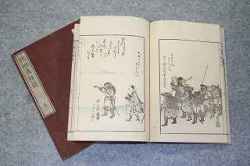
江戸時代末期の北方探検家。伊勢国一志郡須川村(現三重県松阪市)の郷士の子として生まれる。幕末から明治維新期に蝦夷地・アイヌ民族の調査・研究に大きな業績を残した。画像は「松浦武四郎関係資料」で、平成20年(2008)に一部を残して国の重要文化財に指定された。

Ainu manners and customs

Ainu Genre Paintings

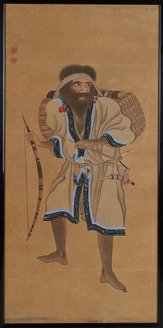
平沢屏山筆「アイヌ風俗図」(東京国立博物館所蔵)。屏山は現在の岩手県花巻市生まれ。弘化年間(1844‐1847)に蝦夷地に渡り、十勝地方や幌泉(現えりも町)など豪商杉浦嘉七の請負場所で生活し、アイヌの姿や暮らしを表す風俗図を数多く制作した。画像は、アイヌ装束を着る男女の姿を2面に対で描いたうちの男性図。

アイヌの結婚式

画像はアイヌ風俗絵葉書(たましん地域文化財団所蔵)。白老(しらおい/現白老町)の田邊眞正が出版したもの。

Ainu Village

アイヌ村落の古写真(東京国立博物館所蔵)。明治時代・19世紀の作品。

アイヌ民家(チセ)(復元)

国立民族学博物館の標本資料。チセとはアイヌ語で家を指し、自然木を素材としたアイヌの伝統的な木造建築である。

アイヌ熊祭図

明治21年(1888)作の「アイヌ熊祭図」(函館図書館所蔵地域資料アーカイブ)。イオマンテ(熊送り)の儀式の過程を描いたもので、アイヌの家とその脇に作られた熊の檻から始まり、小熊と遊ぶ母子、イオマンテに使用するイナヲ(木幣)作り、矢を射かけ丸太で首をしめて子熊をカムイへ送り返すところ、熊祭りの飲酒、奉納の踊りを行う場面を解説を付けて席画風に描いている。

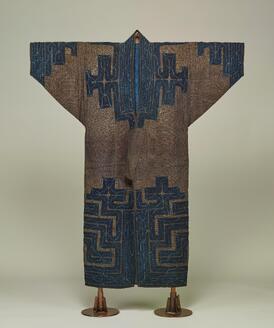
Coat

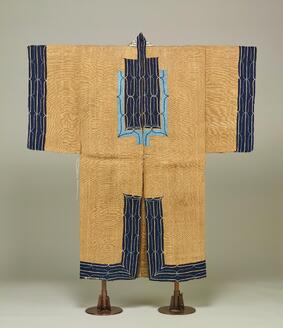
アットゥシは木の内皮の繊維を用いたアイヌの伝統的織物の一種。画像は北海道アイヌの手により、和人の船頭向けに作られたアットゥシ(東京国立博物館所蔵)と考えられており、袖が広袖で、袂のあるものに仕立てられている。こうしたアットゥシは耐水性に優れ、異国情緒に満ちているため、北前船の船頭が好んで使用したという。 

Ainu Embroidery

Traditional embroidery passed down among Ainu people.The patterns are a reflection of the beauty of the natural environment where the Ainu have lived since ancient times.

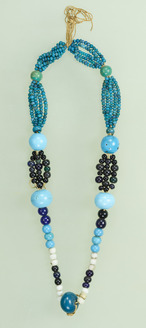
タマサイ(首飾)

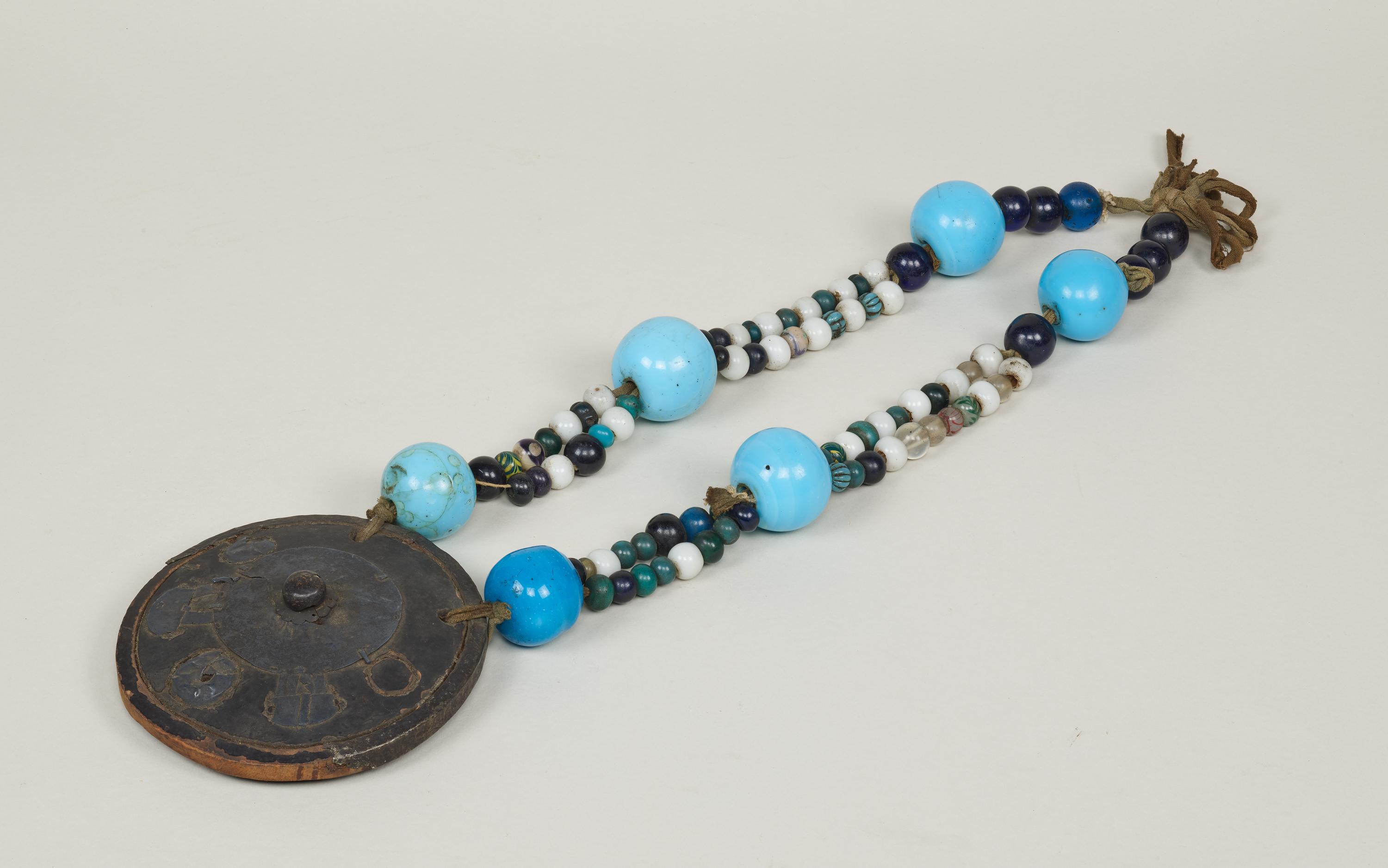
アイヌ文化独特の形態をもつ首飾(東京国立博物館所蔵)。北海道アイヌの作品。玉はシベリアもしくは日本から輸入したものでガラス製。大小さまざまなガラス玉を連ねており、彫刻を施した木箱が附属している。

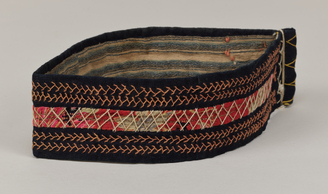
Headband

樺太アイヌの女性が用いた鉢巻(東京国立博物館所蔵)。トムイェという。北海道アイヌとは異なり輪状に作る。表に黒ビロードと色木綿裂を継いで用い、刺繍を施している。              

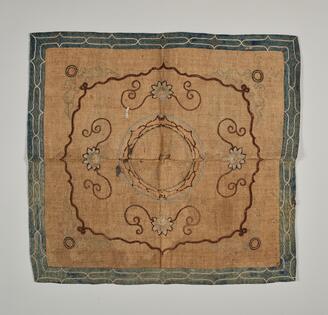
Mat

This mat made of bast fiber has its square rim covered with dark-blue pieces of cotton fabric, which were embroidered.

Ainu Craft

アイヌの工芸を紹介する。アイヌの人々は、自然界のすべてのものをカムイ=神として信仰してきた。古来から自然のなかで生活し、その環境から得た美の感覚が工芸にも反映されていると考えられる。

アイヌ鍬形

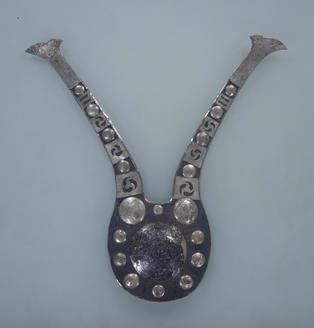
アイヌが和人から手に入れたものの一つで、本州で用いられた兜の前に立てる飾りである鍬形(くわがた)を模したもの(東京国立博物館所蔵)。北海道アイヌの作品。こうした鍬形は、アイヌ語で「ぺラウシトムカムイ」すなわち「箆(へら)をお持ちになっている宝の神さま」、あるいは「キラウシトミカムイ」つまり「角(つの)をお持ちになっている宝の神さま」と呼ばれる。現在知られているものはすべて偶然に発見されたもので、この作品も大正5年(1916)に栗山町の畑地の開墾中に発見された。

Snowshoes

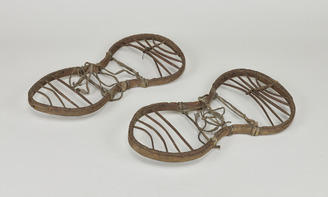
Snowshoes like these were worn by the Ainu to walk on ice or snow. They were usually worn with boots made from deer hide.

アイヌ墓

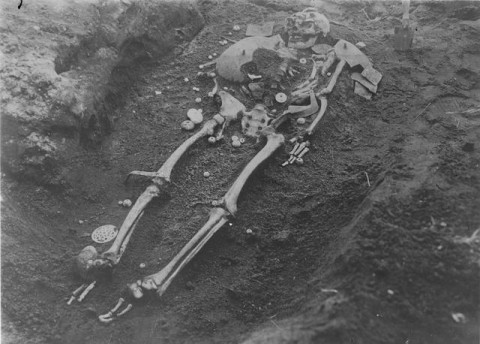
「史跡モヨロ貝塚ガラス乾板写真デジタルアーカイブ」(東京大学大学院人文社会系研究科附属北海文化研究常呂実習施設所蔵)より。モヨロ貝塚は網走市に所在するオホーツク文化を代表する遺跡で、国指定史跡。大正時代初期からの米村喜男衛(きおえ)による調査研究と保護活動が知られる。画像は東頭位の伸展葬で、鉄鍋・小刀・鎌・ガラス玉、透かし彫りのある青銅製円板、寛永通宝などが副葬されていた。

Kawamura Kaneto Ainu Memorial Hall

The Kawamura Kaneto Ainu Memorial Hall was founded by the Ainu community in 1916 and is Japan’s oldest Ainu museum. It is a perfect place to get a feel for how the indigenous people here once lived. Visitors can view a precious photographic record of Ainu life, as well as try their hand at Ainu embroidery and musical instruments. Many of the exhibits at the Asahikawa City Museum are based on recent research that shows how the Ainu were a trading people. Visual exhibits powerfully recreate scenes such as the work of blacksmiths, fishing on the Ishikari River, and traditional Ainu dwellings.

もっと調べる

参考文献