Description
From its million-dollar night views to its gorgeously kept 19th-century Western-style buildings, the port city of Hakodate has a lot to offer. There is one spot that visitors will not want to miss: a curious star-shaped structure carpeted with cherry trees that bloom magnificently in spring. The fort was drafted by Takeda Ayasaburo, who probably referred to French texts in its construction. The five points (bastions) were designed to house cannon emplacements and prevent blind spots in the fort's defenses. Many similar fortifications, such as the Dutch Bourtange Fortress, remain in Europe today. During the Edo period (1603 - 1867), the reigning Tokugawa shogunate closed Japan’s ports to most of the outside world, withdrawing into more than 200 years of self-imposed isolation. This policy, called sakoku, came to an abrupt end in 1853 when American Admiral Matthew Perry arrived with a fleet of armed “black ships” into the bay off of Japan’s capital. A year later, with the signing of the Treaty of Kanagawa, Japan opened two ports to the rest of the world - Hakodate and Shimoda. As Japan entered into similar treaties with different nations, Hakodate saw more foreign ships come and go. Pressed to defend Japan’s ports against threats from abroad, the Tokugawa shogunate commissioned Fort Goryokaku. It took seven years to complete. Visitors can now also explore the fully restored Hakodate Magistrate's Office, a building once used to govern the area that stands within the fort premises. The full splendor of this fort can be viewed from the observation deck of the nearby 107-meter Goryokaku Tower.
Data source
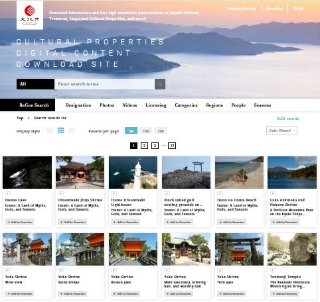
Cultural Properties Digital Content Download Site
Download information and free high-resolution photos/videos of Japan's National Treasures, Important Cultural Properties, and more!
Last updated
March 25, 2026