Jump to main content
/

Mie Prefecture

A prefecture located in the eastern part of the Kinki Region. Home to Ise Grand Shrine.

Located in just about the center of the Japanese archipelago, in the eastern part of the Kinki region. The prefecture extends in a long, narrow shape from north to south, facing out onto Ise Bay at the northeast and the Kumano Sea at the southeast. Its current boundaries encompass the former provinces of Ise, Iga, Shima, and part of Kii. The prefectural capital is Tsu. The area developed as the home of Ise Jingu Shrine, which is dedicated to Amaterasu Omikami, the ancestral deity of the imperial family, and in the Edo period (1603–1868), Ise Mairi (Ise pilgrimages) became very popular. The area had flourishing trade with other countries as well, and merchants from Ise advanced to large cities including Edo and Osaka. In the Meiji period (1868–1912) when Yokkaichi Port was designated an open port, many modern industries developed here, and the textile industry in particular flourished. Blessed with a natural environment of seas and mountains, fishing and agriculture industries thrived, as well.


  The techniques of freediving female ama divers in Toba and Shima who harvest shellfish and other marine products have been designated a Nationally Important Intangible Folk Cultural Property. The prefecture is also home to a number of the most spectacular sightseeing destinations in Japan, including, first and foremost, Ise Grand Shrine, as well as the historic Kumano Kodo pilgrimage route, a World Heritage Site, and the Shima Peninsula’s rias coastline. The local cuisine is famous for dishes including Ise ebi (spiny lobster), Matsusaka beef, and Ise udon (extra-thick and soft udon noodles). The prefectural flower is the hana-shobu (Japanese iris), the prefectural tree, Jingu-sugi (large Cryptomeria cedars growing on the grounds of the Ise Jingu Shrine), and the prefectural bird, the shiro-chidori (Kentish plover).

ゆかりの人物

藤堂高虎

伊勢津藩の初代藩主。関ヶ原の戦い、大坂の陣の功により伊勢国の一部、伊賀国一円の領主に命ぜられた。

Matsuo Basho

A haiku poet of the early Edo period who established the Basho style and greatly influenced succeeding generations

本居宣長

『古事記』を研究し、国学を大成した18世紀最大の古典研究家。伊勢国松坂(現在の三重県松阪市)出身。

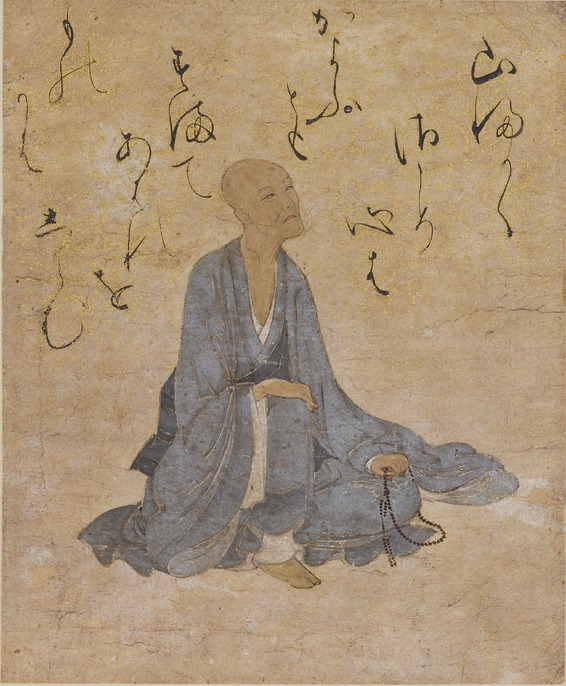
Saigyo

A poet of the late Heian period; he forsook his life as a warrior to become a monk, travel across Japan, and create his own style of poetry

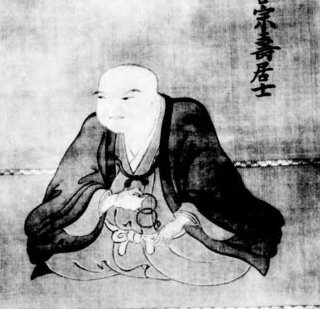
Zuiken Kawamura

A merchant in the early Edo period, noted for his success in shipping and flood control

三井高利

江戸時代前期の商人。伊勢国松坂(現在の三重県松阪市)出身。江戸に呉服店「越後屋」を開業した、財閥三井家の家祖。

尾崎行雄

明治から昭和前期の政治家。立憲政治を擁護し、憲政の神様と称された。父の転任で度会県山田(現在の三重県伊勢市)に移住。

江戸川乱歩

大正・昭和時代の小説家。日本における探偵小説の礎を築いた。三重県名賀郡名張町(現在の名張市)出身。

Ozu's "Munakata Sister's" still shots. Film director Yasujiro Ozu

明治から昭和の映画監督。東京深川で生まれ。 9歳から19歳までを飯南郡神戸村(現在の三重県松阪市)で過ごす。

稲葉三右衛門

明治時代の公共事業家。明治6年(1873)に四日市港の修築に着手し、私財をなげうって明治17年(1884)に完成させた。

名産・特産

伊勢海老

赤褐色で、長いひげを持つ大型の高級海老。味も見た目もよく、古くから縁起物に用いられる。伊勢近海でよく獲れたことが名の由来。

伊勢志摩地方における鮑漁の歴史は古く、2000年以上前から伊勢神宮に奉納されたといわれる。現在も、毎年「熨斗鮑」が奉納されている。

真珠

二枚貝から採取できる宝石。明治時代に三重県出身の御木本幸吉が養殖方法を発見。主に英虞湾で養殖されている。

万古焼

三重県産の陶器。 江戸時代中期に伊勢国桑名の沼浪弄山が小向で創業。更紗文様の赤絵などに優れていた。

伊賀焼

三重県伊賀市丸柱・槇山一帯で作られる陶器。開窯年は不明だが、桃山時代には「織部好み」と伝わる水指や花入が焼かれた。

シロチドリ

チドリ科の鳥類。主に海岸に生息しており、全長は17cmほど。三重の県鳥。

神宮杉

伊勢神宮神域林の主林木のことで、三重の県木。古くから、千枝の杉、鉾杉などの名で多くの詩歌に読まれた。

花菖蒲

アヤメ科の多年草。6月頃に、白や青などの色の花を咲かせる。三重の県花。

Cattle

Animal that contributed to the development of plow agriculture in ancient times; kept as livestock in Japan since the 4th–5th century.

名所・史跡

Ise Shrine

A shrine located in the city of Ise in Mie Prefecture that maintains ancient Nara-period rites and attracts worshippers from throughout Japan

Dawn at Futamigaura

三重県伊勢市にある夫婦岩がそびえる海岸。伊勢神宮の参詣者が身を清める禊の場であり、古く歌枕としても知られた。

奥志摩 英虞湾

三重県志摩半島南部にある湾。真珠の養殖が有名。湾内には大小50以上の島が連なり、無数の真珠いかだが列をなす。

Iga Ueno Castle

The towering stone walls of this hilltop castle are among the tallest in Japan at about 30 meters high. Iga Ueno Castle was built over 400 years ago for local lords, and the current structure was rebuilt from the same materials as the original. The castle has displays of swords, armor, scrolls, and taiko drums, and within walking distance are the Ninja Museum of Igaryu and a museum dedicated to legendary poet Matsuo Basho (1644 - 1694). The city holds a five-week ninja-themed festival from early April to early May and a festival in October that includes a parade of elaborate floats and a “procession of ogres.”

関宿の町並み

三重県亀山市、鈴鹿峠のすそ野に広がる関宿。古くから都と東国を結ぶ交通の要衝として栄えた。

熊野古道 伊勢路

三重県の伊勢神宮と和歌山県の熊野速玉大社を結ぶ巡礼の道。

出来事・行事

Ise Pilgrimages (Ise mairi)

Pilgrimages by commoners to worship at Ise Jingu Shrine, which gained popularity with the development of Ise pilgrimage confraternities in the Kamakura period

三重暴動・伊勢暴動

明治9年(1876)に三重県で起こった地租改正反対一揆。県下から愛知・岐阜両県にまで拡大した。

伊勢音頭

伊勢参りの流行とともに日本各地に広まった伊勢地方の民謡。古市や川崎の遊廓で伊勢踊りに合わせてうたわれた。

式年遷宮

伊勢神宮では20年ごとに、新殿を造営して旧殿の神体を移す儀式行事「式年遷宮」が行われる。

花の窟神社 お綱かけ神事

三重県熊野市有馬町の花の窟神社のご神体である巨大岩にかけられた綱を張り替える神事。例年2月と10月の2日に行われる。

熊野大花火大会

三重県七里御浜の花火大会。盆の初精霊供養として花火を打ち上げ、火の粉で灯籠焼きをしたのが始まりとされる。

上野天神祭

三重県伊賀市に鎮座する菅原神社の秋祭り。10月の23、24、25日に行われ、だんじり、鬼行列などが町内を巡行する。

芭蕉祭

松尾芭蕉の生誕地である三重県伊賀市で、命日にあたる10月12日に催される。例年、上野公園内の俳聖殿にて式典が行われる。

ゲーター祭

三重県・鳥羽市の神島に伝わる祭。元日の夜明け前、災いをもたらす「アワ」と呼ばれる白い輪を退治し、新しい年の日の出を迎える。

磯部の御神田

三重県志摩市にある伊勢神宮内宮の別宮「伊雑宮」の御料地で催される田植神事。毎年6月24日に豊作を祈り行われる。

Books and paintings featuring Ise Mairi (Ise pilgrimages)

Tokaidochu hizakurige (Hoofing It along the Tokaido Route)

An Edo-period best-seller of Ikku Jippensha’s that follows Yaji and Kita on their travels filled with curious mishaps; it ushered in the golden era of books of humorous stories

伊勢参宮按内記

宝永4年(1707)成立。講古堂主人(加藤長兵衛)による地誌で、伊勢参宮案内の嚆矢とされる。伊勢街道や二見浦などの名所も紹介。

伊勢参宮細見大全

明和3年(1766)刊行。芙蓉山人作、京都からの伊勢参宮道中記。11cm×16cmで携帯しやすく、「参宮用意」などの詳細を記す。

伊勢参宮名所図会 5巻 [5]

寛政9年(1797)刊行。道中の町並みや伊勢神宮の境内が精密な絵で描かれおり、旅にでられない者も見て楽しめる構成が特徴。

伊勢道中行程記

寛延4年(1751)刊行。大坂から伊勢神宮までの行程を、詳細な絵地図で紹介した案内記。絵地図には周辺の風景や名所旧跡も紹介。

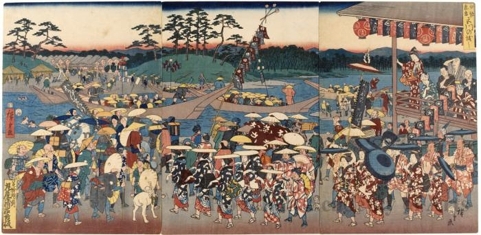
「伊勢参宮 宮川の渡し」

江戸時代後期の浮世絵師・歌川広重作。伊勢神宮への主要な入口であった、宮川の渡しの盛況ぶりを描いている。

伊勢参宮略図

安政2年(1855 )刊行。江戸後期の浮世絵師・歌川広重の描いた、集団で伊勢神宮を参拝する「おかげ参り」の図。

豊饒御蔭参之図

幕末から明治の浮世絵師・歌川芳幾の作。「おかげ参り」が題材で、「ええじゃないか」が大流行した慶応3年(1867)9月の刊行。

国芳 伊勢太神宮遷御之図

『伊勢太神宮遷御之図』は、伊勢神宮の遷宮を題材とした浮世絵で、江戸後期に活躍した歌川国芳の作品。

参考文献

  1. 『日本大百科全書(ニッポニカ)』(Japanknowledge) External Site
  2. 『世界大百科事典』(Japanknowledge) External Site
  3. 『国史大辞典』(Japanknowledge) External Site
  4. 『日本歴史地名大系』(JapanKnowledge)External Site
  5. 『日本人名大辞典』(JapanKnowledge)External Site
  6. 『日本国語大辞典』(JapanKnowledge)External Site
  7. 旧国名でみる日本地図帳 : お国アトラス平凡社 編,平凡社古い日本の地理的単位である旧国で区分した地図を、国の概要や特産と共に紹介。郷土の歴史や風土が再発見できる「読む地図帳」。(日本児童図書出版協会)
  8. 古地図で楽しむ三重目崎茂和 編著,風媒社
  9. JapanKnowledge所収コンテンツの最終アクセス日は、いずれも2024/02/29。