Saicho
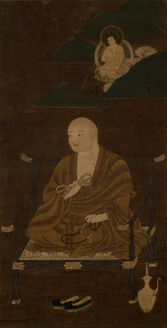
A Buddhist monk of the early Heian period (c. 794 - 930). Founded the Tendai school, and advanced the argument with Nanto (Nara) Buddhism regarding their religious principles. Saicho, together with Kukai, the founder of Shingon Buddhism, represent the two greatest authorities of the Buddhist world in the Heian period.
766 (767)-822
A Buddhist monk of the early Heian period (c. 794 - 930). Founder of the Tendai school in Japan. The posthumous title awarded to Saicho based on the deeds he performed in his lifetime is Dengyo Daishi (“Great Teacher of Buddhism”). Saicho was born in Furuchi Village, Shiga County, Omi Province, with the secular name Hirono Mitsu no Obito. In 778, he became a disciple of Gyohyo at Omi Kokubunji Temple, and in 780 took the name Saicho. In 785, he received gusoku-kai (upasampadā, or full graduation into ordained monkhood) at the ordination platform of Todai-ji Temple in Nara, but soon after that retreated to a thatched hut on Mount Hiei, where he entered into ascetic training and devoted himself to the Tendai doctrine.
In 797, Saicho was appointed one of the Ten Zen Priests of Naigubu, or position attendants to the Emperor at the practice hall in the Court. In 802, he served as a lecturer at Hokke-e (a lecture series on the Lotus Sutra) held at Takaosan-ji in Kyoto (present-day Jingo-ji), the tutelary temple of the Wake Family. His service as a lecturer led to his selection as one of the recipients of an imperial charter to travel to China to study. In July 804, Saicho boarded the embassy ship to Tang China, with Kukai as a fellow passenger, and departed from Kyushu. The mission arrived in Mingzhou in September. After a pilgrimage to Mt. Tiantai, Saicho mastered the Tendai doctrine under Daosui and Xingman, and also studied esoteric Buddhism, Zen, and Bodhisattva vow. In May the following year, he set upon his return journey, and in July arrived back in Japan. The number of sutras he copied during the more than eight months he spent in China and brought with him to Japan amounted to 230 volumes and 460 scrolls.
Related People, Things and Events
Kukai
A monk of the early Heian period who established Shingon Esoteric Buddhism and left a mark on Japanese culture with his many great achievements
Japanese calligraphy
A type of written art that originated in China and was nurtured and developed in the context of Japanese culture
Sanpitsu (the Three Calligraphers)
Three superb calligraphers of the early Heian period: Kukai, Emperor Saga, and Tachibana no Hayanari
Shinran
A Buddhist monk of the Kamakura period who founded the True Pure Land Sect of Buddhism in Japan 1173-1262
Shotoku Taishi (Prince Shotoku)
Shotoku Taishi (Prince Shotoku) served as Empress Suiko's regent during the Asuka era. He is said to have left splendid political achievements, and was also responsible for the rise of Buddhism in Japan.

Books
顕戒論 巻上
Lineages of the Transmission of the Buddha’s Dharma
内証仏法相承血脉譜
顕戒論縁起
伝教大師将来目録
天台法華宗學生式問答 8巻
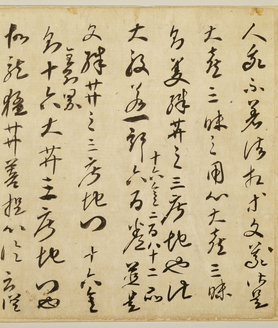
法華秀句 巻第1条箇
山家学生式
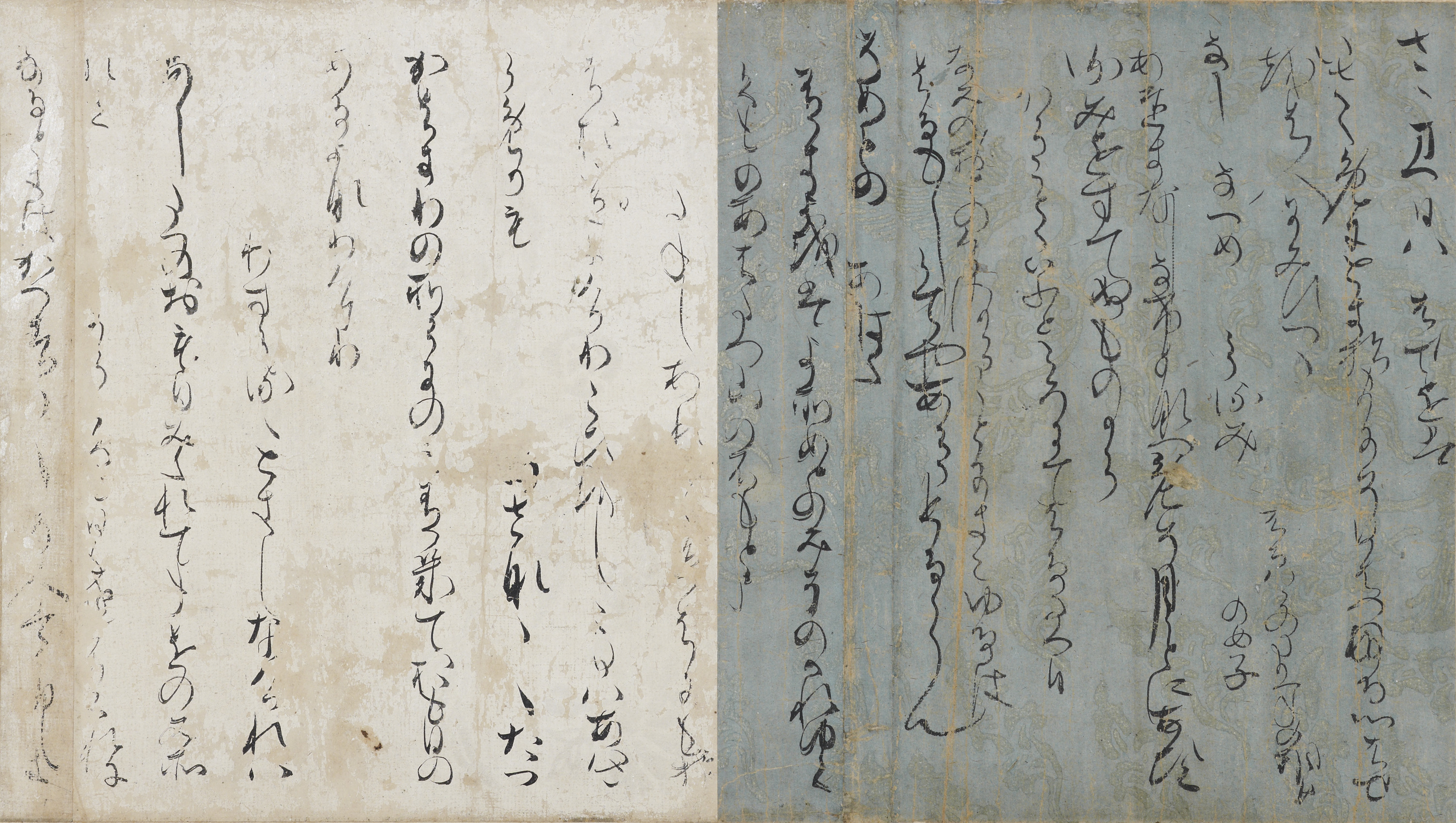
伝教大師消息
叡山大師伝
末法燈明記
傳教大師傳
本朝高僧伝 巻之2,3,4
Related Works
Letter by the priest Saichō
Collected Letters of Priest Saichō
霜月会定書(しもつきえさだめがき)
伝教大師像 『天台霊華』
伝教大師坐像 『伝教大師全集』 第一
伝教大師入唐牒 『天台霊華』
伝 伝教大師 経切
伝 伝教大師 古筆切
嵯峨天皇宸筆 光定戒蝶
Portrait of Emperor Kanmu
Hieizan
比叡山延暦寺図
日本輿地図(内閣文庫) 最澄は比叡山延暦寺の開祖で、延暦4年(785)比叡山に草庵を結んで山林修行に入った。
比叡山延暦寺 浄土院全景(開山堂)
比叡山延暦寺浄土院に最澄の御廟がある。
延暦寺 浄土院伝教大師御廟
延暦寺は天台宗総本山寺院で,境内は比叡山上の東塔,西塔,横川の三塔,山麓の坂本に展開し,元亀2年(1571)の織田信長による焼き討ち後,豊臣秀吉からの寄進を契機に諸堂が再建された。文殊楼は上層内部に仏堂としての構えをもつ二重門である。浄土院は開祖最澄を祀る一郭で,華やかな意匠の御廟や大型の拝殿など,開祖の廟所らしい荘厳な境域を創出する。四季講堂は伝統的な平面構成と近世的な装飾美を兼備した堂で,御廟拝殿とともに横川における元三大師信仰の中枢を担う。天海を祀る慈眼堂は重厚な趣の禅宗様仏殿で,坂本の中核をなしている。 これらの17世紀に三塔及び坂本で整備された堂舎群は,いずれも優秀かつ特徴的な意匠を備えており,比叡山全域における江戸時代前期再興の様相を示すものとして,高い歴史的価値を有している。


Videos
比叡山 最澄の教え
比叡山延暦寺は、100をこえるお堂や修行道場を持つ天台宗の総本山。開いたのは、伝教大師、最澄です。僧たちに厳しい修行を求めた最澄。人々を導くためには、まず自らを厳しく律する必要があると考えました。「忘己利他(もうこりた)」。己を忘れて他を利するという精神です。延暦寺のお堂を預かる僧たちが励む修行は、3年間、比叡山にこもり続ける、三年籠山行(ろうざんぎょう)。食事や掃除、日常生活のすべてが修行。境内を出ることは一切許されません。3年目の夏、修行僧たちに大きな試練が待ち構えています。四種三昧(ししゅざんまい)という新たな修行。90日間、修行僧たちは一人ずつお堂にこもります。 <br>(この動画は、2019年に放送したものです。)

Past Exhibitions
| Title | shusai | Place | open | close |
|---|---|---|---|---|
Institutions and External Links
- 天台宗公式ホームページ
「教え」「歴史と人物」「修行」などのページがある。
- 比叡山延暦寺
延暦寺の公式ホームページ
- 伝教大師1200年大遠忌記念 特別展「最澄と天台宗のすべて」
東京国立博物館 平成館 2021年10月12日 ~ 11月21日展示「最澄と天台宗のすべて」の紹介
References
- 『日本大百科全書(ニッポニカ)』(JapanKnowledge) 「最澄」の項目
- 『世界大百科事典』(JapanKnowledge) 「最澄」の項目
- 『国史大辞典』(JapanKnowledge) 「最澄」の項目
- 『日本架空伝承人名事典』(JapanKnowledge) 「最澄」の項目
- 最澄・空海渡辺照宏 編,宮坂宥勝 [ほか]訳・注,筑摩書房
- 最澄と徳一 : 仏教史上最大の対決師茂樹 著,岩波書店
- 別冊太陽『最澄と天台宗のこころ』伝教大師1200年大遠忌記念 平凡社、2022
- JapanKnowledge・コトバンク所収コンテンツの最終アクセス日は、いずれも2023/2/10。