Lighting Equipment
Instruments for lighting
The most primitive form of lighting is fire, and the portable version of this is the torch. In Japan, torches were made by bundling oily parts of pine trees, bamboo, or reeds, and lighting a fire at the end of the bundle. "Kagaribi" (watch fires), in which pine or other wood was burned in an iron basket, were another ancient method of lighting, and were used mainly outdoors for night-time ceremonies, protection, while fishing, and other purposes.
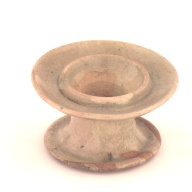
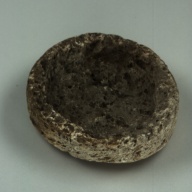
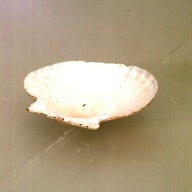
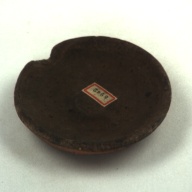
The origin of oil-based lighting devices in Japan is not known, but reliable examples appeared from the Asuka and Nara periods (late 6th - late 8th century) onward. The simplest form was the tomyo zara (oil lamp dish), which was put on a pedestal, called a todai (oil lamp stand). It was used as a major lighting fixture from the Heian to Kamakura periods (late 8th century - mid 14th century) and developed until the Edo period (1603-1868). Lanterns, outdoor lighting fixtures using oil, are believed to have come from mainland China along with Buddhism, and are classified into two types: daitoro (lantern with a pedestal) and tsuritoro (hanging lantern), which were made from wood, stones, metals, and other materials.
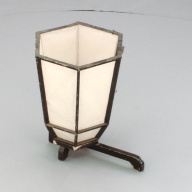
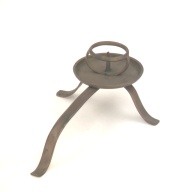
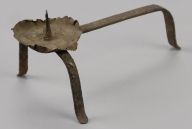
Andon (paper lantern), a type of lantern with a frame built around an oil lamp dish and covered with paper to protect it from the wind, began in the Muromachi period (1336-1573) and was the most widely used lighting device throughout the Edo period. The production of candles in Japan is believed to have begun in the late Heian period (794-1185), with the production of mokuro (Japanese wax) in the Muromachi period, and their use was widespread during the Edo period. Devices in which candles were used for lighting include shokudai (candlestick), teshoku (portable candlestick) and chochin (paper lantern) in which candles are placed in a basket-shaped fire box covered with paper for portable use.
From the end of the Edo period, oil lamps were imported from the West and spread throughout Japan during the Meiji Era (1868-1912). The Meiji Era was a turning point for lighting in Japan, with the first gas lamp in Yokohama in 1872, the first lighting of electric street lights (arc lamp) in Ginza in 1878, and the first incandescent light bulb in Japan produced in 1890.
Related People, Things and Events
Books
Related Works
Torches ・ Watch fires
Oil lamp dishes (Tomyo zara)
燈明皿
平安時代の灯明皿。京都市左京区花背別所町花背別所経塚で出土。
灯明皿
昭和52年(1977)に鴎島付近で引き揚げ。■2015年/佐藤雄生/「江差鴎島沖の海揚がり遺物」/『弘前大学國史研究』138号で紹介(表2の№139)。■生産地:関西系■制作年代:19c■画像の二次利用をする場合には、所蔵・撮影・提供などを「江差町教育委員会」として下さい。
Beautiful Woman Holding a Lamp
弘化1年(1844)頃。菊川英山筆。
灯明皿
京都の大徳寺真珠庵および龍光院で使用されていた日常生活用具の一つ。この皿に油を入れ、芯をそえて本堂や廊下などの照明具とした。
灯明皿
北海道のアイヌ民族が使用していた灯明皿。
灯明皿
北海道のアイヌ民族が使用していた灯明皿。
灯明皿
沖縄県八重山列島石垣島で使用されていた灯明皿。
Oil lamp stands (Todai)
Yamai no Soshi (Diseases and Deformities): Man with Uvula Disease
【国宝】 平安時代(12世紀)。高坏燈臺。「病草紙」は様々な奇病を集めて絵巻物にしたてたもので、寛政期の模本によれば、名古屋の歌人大 館高門のもとに十五図一巻の形で所蔵されていたが、現在このうちの九図が国有となり 、それ以前に断簡となって逸出した図が諸家に分蔵されている。また寛政模本には含ま れていないが、画風からもともとこれと一連のもので、模本が作られる前に逸出したと 見られる四図がある。 

画風は暢達した線描を主体にし、淡い彩色を加えたもので、病気にかかった人物を中心 に描くものと環境描写を加え、風俗画的な趣を持つものとがある。人物表現には京都国 立博物館本餓鬼草紙や沙門地獄草紙などに通じるものがあり、これらと近い環境で描か れたものと考えられる。こうしたことから、病草紙を、人道苦相の表現として、六道絵 の一部と考える見方があるが、地獄草紙などにみる厭離穢土の思想が強調されることは なく、むしろ病にまつわる説話的興味から制作されたものと考えたい。

10面のうち霍乱は下痢と嘔吐を繰り返す病気で、苦しむ女と、部屋の中でさりげなく 擂鉢を擂る女との対比がおかしく、また里の生活を窺わせる資料としても貴重である。 二形は男女両性を具有する一種の奇形で、ここでは占師という設定で、その住居の様子 が知られる。歯の揺らぐ男は、歯槽膿漏かと考えられているもので、食事の途中で歯を 気にする様子が描かれる。眼病は、眼が見えなくなっている男のところに、医者を自称 する男がやってきて、眼球を鍼で治療したために失明してしまったという話を描いている。
The Biography of the Monk Hōnen
【重要文化財】 鎌倉時代(14世紀)。鎌倉時代初頭の僧で浄土宗の開祖・法然の伝記絵巻。東京・妙定寺には近世の9巻本の模本が伝わり、この系統の遺品は琳阿本(りんあぼん)と呼ばれている。東京国立博物館本は、琳阿本の巻第8に相当する。
The Origins of Seikō-ji Temple, Vol. 1
【重要文化財】 室町時代(15世紀)。京都の六角大宮にあった星光寺の本尊、地蔵菩薩像の由来とそれにまつわるありがたくも不思議なお話を描いた絵巻です。前半では現在の京都府、山城国の国司だった平資親(たいらのすけちか)が僧のお告げにより茨の中から地蔵菩薩を見つけて持ち帰り、これを安置する星光寺を建立したという経緯が描かれています。後半は地蔵菩薩を信仰していた尼の家の屋根が大風で吹き飛んでしまったところ、知らないうちに若い僧が来て屋根を葺き直してくれたことや、夢に地蔵菩薩が現れ尼が往生したことが描かれています。この話から、星光寺の地蔵は「屋根葺地蔵」とも呼ばれました。地蔵菩薩は座っていたり、立っていたり本当に動いているようにユニークに描かれています。また、資親の屋敷の襖や屏風に中国風の水墨画が描かれていることにもご注目ください。中国から入ってきた水墨画は当時の人々にとってステータスの象徴でした。
宮殿調度図解
明治33年(1900)刊。著者は、明治~昭和時代前期の国文学者、有職家で、『古事類苑』の編集に従事した関根正直。
宮殿調度図解
明治33年(1900)刊。著者は、明治~昭和時代前期の国文学者、有職家で、『古事類苑』の編集に従事した関根正直。
Light Stand, With painted decoration
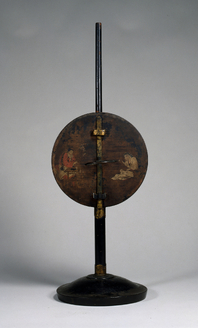
【重要文化財】 鎌倉時代(13~14世紀)台座・支柱・反射板の3部からなる燈台。反射板中央につけた鉄製の輪の上に、燈明皿を掛けて用いる。反射板表面は、光を反射させるため白く胡粉地に仕立て、3人の稚児(ちご)を描いている。巻物を広げて見るもの・筆をとるもの・うつ伏して眠るものという、3者3様に愛らしい姿である。夜間読み書きをする際必要な燈台に、居眠りをする人物という組み合わせの妙のためであろうか、「眠り燈台」の俗称がある。
燈臺
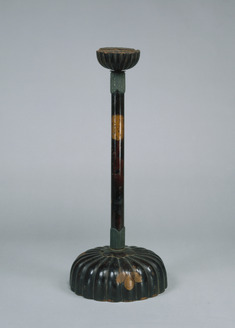
上の受けの部分と台座が菊花の形をした菊燈臺。
Lanterns
難有御代ノ賀界絵
歌川国貞(三代豊国)筆。明かりをテーマにした錦絵シリーズ「難有御代ノ賀界絵(ありがたきみよのかげえ)」の一枚。吊り燈篭の明かりで本を読む女性が描かれている。弘化年間(1844~1848)頃の作。
Hangign lantern
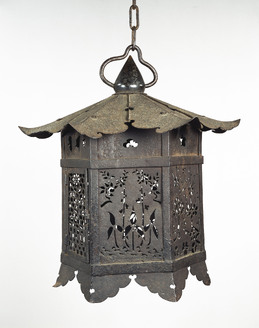
【重要文化財】 室町時代・永禄7(1564)。福島・如法寺伝来の鉄鍛造製の釣燈籠。笠と脚部を猪目透かしの葛形葉状につくり、火袋に片開き扉2面をもうける。扉は1面を斜め格子に霰文、他面を網地に霰文を透彫し、残りの火袋4面には沢瀉に橘文、桜カタバミ文、松竹梅文、籬に菊文をそれぞれ文様透かし(文様を透かし、地を残す透彫技法)で表している。火袋の上部欄間にも透彫が施されている。欄間には「奥州会津稲荷之庄如法寺之御堂之金」、「燈爐之寄進大旦那鍛冶渡邊孫兵衛」、「長吉作内□取持猪野弥五良房宗金之」、「旦那永禄七年甲子五月十七日奉懸之也」、「當住寺頼真之御代鍍旦那長治太良衛門通□(両)」という刻銘があり、また笠頂部の宝珠に「奉執金剛神大槻形部少輔与定」と刻銘されており、永禄7年(1564)に如法寺御堂の執金剛神に奉納された由緒が確かめられる。
Hanging Lantern with Plum Trees and Bamboo
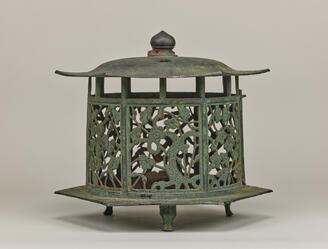
【重要文化財】 室町時代・天文19年(1550)。形姿、透文様の美しい釣燈籠。火袋(ひぶくろ)は円筒形にして、梅樹と竹を透かす。台、火袋、笠まですべて共造で、高い技術を示す。笠に天文十九年の銘文があるが、当時茶の湯釜の生産地として名高かった下野佐野(しもつけさの)(栃木佐野市)の天明で製作されたと考えられる。 寺院で軒につるして使われた燈籠です。中に小さな皿を入れて油を満たし、そこに灯心を入れて灯りをともして使われました。火は、水、花、香とともに供物として仏に捧げられるもの。燈籠は仏教ではたいせつな道具のひとつです。 バランスがよく美しい姿もさることながら、見どころはやはり透し文様でしょう。可憐な梅の花としなやかな竹が表わされています。梅の花のしべや竹の節、さらに小さなたけのこまで、丁寧に表わされています。灯りがともされて、梅と竹が影絵になってゆらゆらとゆれるさまを想像してみてください。幻想的で、うっとりするような美しさです。 笠には天文十九年の銘文があり、当時茶の湯釜の生産地として名高かった下野佐野(しもつけさの)(現在の栃木県佐野市)の天命(てんみょう)で製作されたと考えられています。茶釜は通常鉄でつくられるもの。天命でつくられた銅の作品は珍しくたいへん貴重なものといえるでしょう。
Lantern
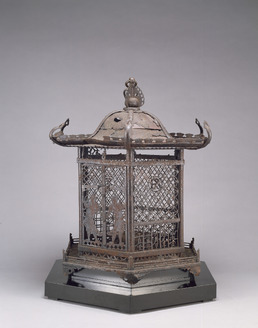
【重要文化財】 鎌倉時代。鉄鍛造、六角形の大きな釣燈篭で、火袋に七宝繋と松皮菱文、それに亀甲文と種子を浮かし、扉に金剛力士像をあらわしている。正面右手下方に「白山中宮元応元年己未六月日 尾州玉井 大工貞澄」の透彫銘があって、作者と作期、および白山中宮長滝寺にあったことがわかり、今日知られる製作年代の明らかな釣燈篭のうち最古の作品である。その形はおおらかで古式を伝え、透文様・猪目など細部の装飾が巧緻である。鎌倉時代の金工意匠の特色がよくあらわれている。
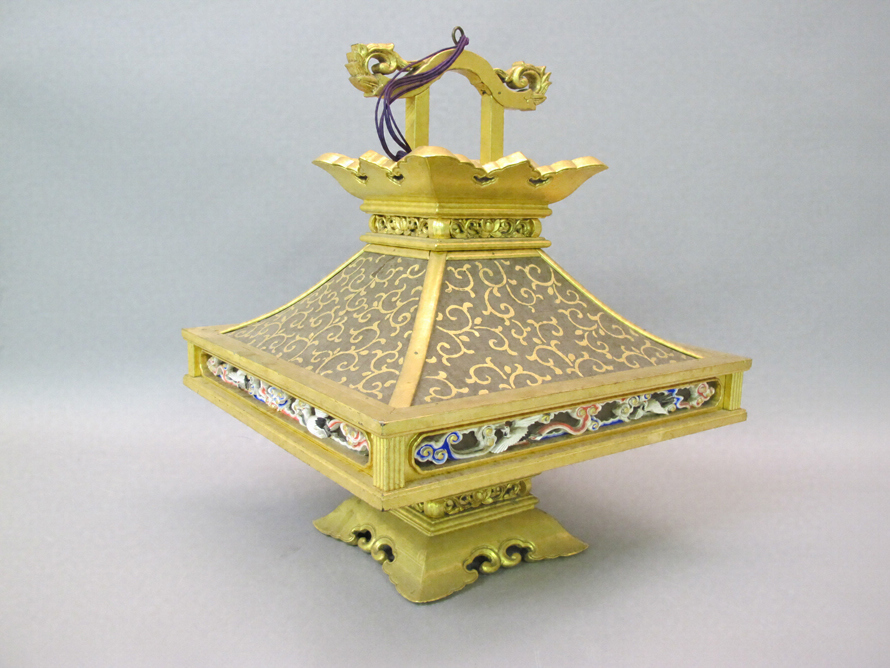
四方釣灯籠
仏間に吊るす灯籠である。 全体に金箔があしらわれており、側面の極彩色の雲に鶴の彫刻は高岡仏師本保屋によるものである。網部分には唐草模様が金箔で施されている。
石造燈籠 徳治二年了未十一月ノ銘アリ
六角形燈籠で、いわゆる「春日燈籠」と呼ばれる形式である。基礎三重の内、後世の補作と認められる最下の一重を除いた高さは2.45m。宝珠は中央にくびれがあり、屋根は六角蕨手である。火袋及び中台は六角で、火袋の一部には竪連子形の欄間を刻み、その下部と中台の周囲は、一面を更に二個区画した格狭間がある。中台の下面には輪郭のある素弁の蓮弁を彫り出している。竿は円筒形で三節あり、台座もまた六角で反花を刻んでいる。 竿に「徳治二年<丁未>十一月」の銘がある。鎌倉時代に遡る在銘燈籠として三重県内では唯一のものである。 なお、当資料がある延寿院は、保安3(1122)年創建とされる黄竜山青赤竜寺を前身とし、中世には非常に大きな勢力を持つ修験の寺院であった。
灯籠類聚
著者の屋代弘賢は、江戸時代後期の国学者。幕臣。柴野栗山に従い、奈良・京都の寺社を調査。また、師の塙保己一を助けて『群書類従』の編纂を行った。蔵書家として知られ、蔵書を不忍文庫と称した。主著に『古今要覧稿』など。本資料は写。
Stone Lanterns
江戸時代(18世紀)。伊藤若冲。立ち並ぶ石燈籠を主題とした珍しい作品。伊藤若冲が晩年を過ごした深草に近い、稲荷山からの眺望という見方もある。石燈籠や石柵を覆う点描に大きな特徴があり、そこに微妙な濃淡の変化をつけることで、石の立体感や質感が的確に表現されている。
「鬼王 関三十郎」
江戸時代・文化10年(1813)。役者評判記によると貧しい鬼王のために妻の片貝<3>市川団之助が身を売る覚悟を決めて石灯籠に念じると、雲切丸を売り払った代金三百両を持った<2>関三十郎の閉坊があらわれ、それに言い寄られるが、、早変わりで鬼王となった二役の<3>関三十郎が閉坊を殺し三百両を手に入れるという筋であった。鬼王の持つ刀は、その雲切丸と思われ、また、欠けている左図には、片貝を演ずる<3>市川団之助が描かれていたと思われる。
東京開化三十六景
明治時代。歌川広重(三世)筆。向島土手の燈籠。
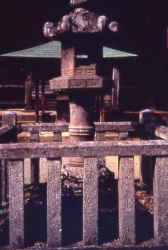
Candlesticks
御飾記
足利義政に仕えた同朋衆、相阿弥による床飾に関する伝書。相阿弥は能阿弥の孫で、父祖に続いて同朋衆となり、その経験と知識を図解しながらまとめている。足利義尚の本邸(小川御所)の対面所と、足利義政の別荘東山殿(慈照寺)の会所の諸室の絵画・諸器物・文房具などの飾り方を記している。内容的には『君台観左右帳記』と重なる部分が多い。
The Origins of Seikō-ji Temple, Vol. 1
【重要文化財】 室町時代(15世紀)。京都の六角大宮にあった星光寺の本尊、地蔵菩薩像の由来とそれにまつわるありがたくも不思議なお話を描いた絵巻です。前半では現在の京都府、山城国の国司だった平資親(たいらのすけちか)が僧のお告げにより茨の中から地蔵菩薩を見つけて持ち帰り、これを安置する星光寺を建立したという経緯が描かれています。後半は地蔵菩薩を信仰していた尼の家の屋根が大風で吹き飛んでしまったところ、知らないうちに若い僧が来て屋根を葺き直してくれたことや、夢に地蔵菩薩が現れ尼が往生したことが描かれています。この話から、星光寺の地蔵は「屋根葺地蔵」とも呼ばれました。地蔵菩薩は座っていたり、立っていたり本当に動いているようにユニークに描かれています。また、資親の屋敷の襖や屏風に中国風の水墨画が描かれていることにもご注目ください。中国から入ってきた水墨画は当時の人々にとってステータスの象徴でした。
Candlesticks with Peonies and Vines
江戸時代・元禄2年(1689)。燭台は香案の左右に配される。表面には金銀の象嵌で、雷文繋や牡丹唐草文を表わしている。蒔絵や象嵌などの工芸産業を奨励した加賀藩5代藩主・前田綱紀が元禄2年(1689)に献納したもので、象嵌文様の精緻さが際だっている。綱紀は同時に象嵌の爵も納めた。
Incense Burner, Flower Vases, and Candle Holders (Gogusoku)
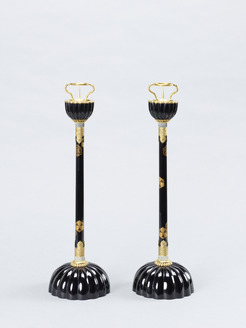
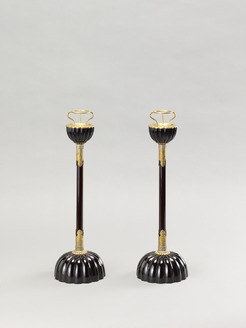
江戸時代(19世紀)。香・花・火は古来仏に捧げる3つの主要な供物です。香炉、花瓶【けびょう】一対、燭台【しょくだい】一対を1セットとしたものを五具足といいます。蝋型鋳物【ろうがたいもの】を得意とした村田整珉【むらたせいみん】(1761~1837)の作品です。
燭台
江戸時代(19世紀)。
燭台
江戸時代(19世紀)。
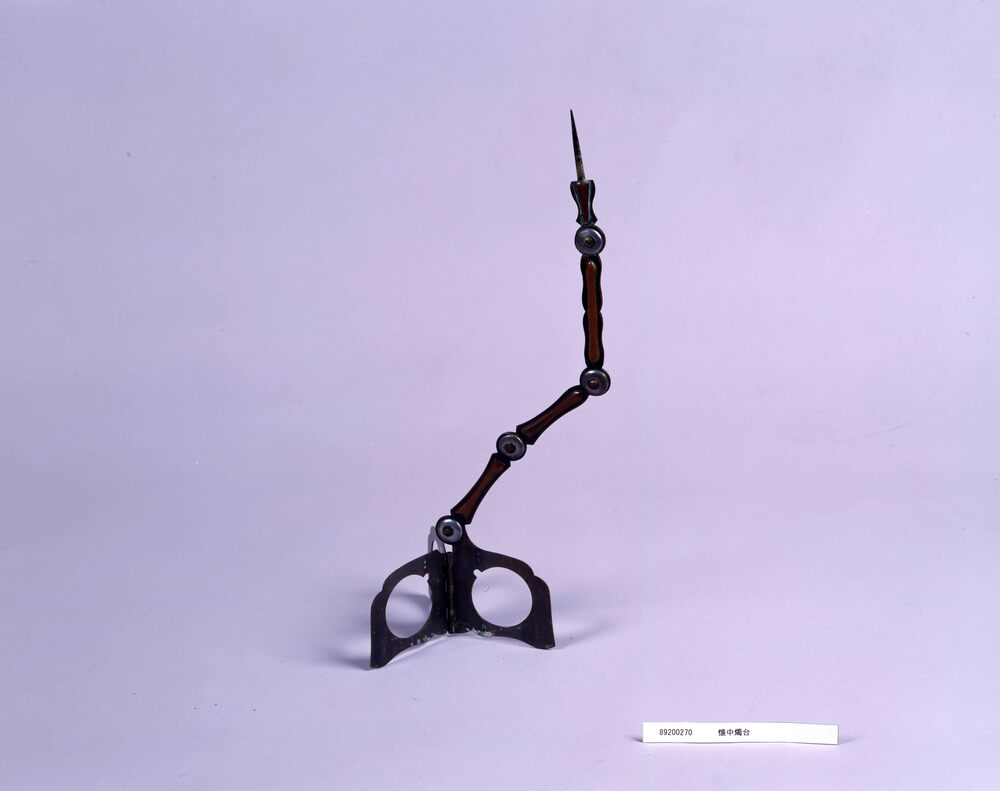
Pocket Candlestick (Four-Section Foldable)
江戸時代末期(19世紀)。
折り畳み燭台
真鍮製の折り畳み式燭台。台座に刻印がある。(たたんで)縦10cm/横13.8cm■画像の二次利用をする場合には、所蔵・撮影・提供などを「江差町教育委員会」として下さい。
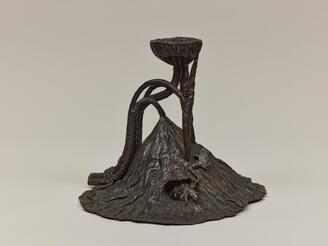
Candlestick with a Crabs and Frog
明治6年(1873)頃。百瀬惣右衛門は鋳物師の家に生まれ、明治時代になると国内外の博覧会に花瓶や置物を出品し受賞を重ねた。これは明治6年(1873)に開催されたウイーン万国博覧会に出品されたもので、蓮華の葉の葉脈や蟹や蛙の質感に至るまで極めて写実的に鋳出している。
燭台
京都府の大徳寺真珠庵および龍光院で使用されていた燭台。
燭台
三重県で使用されていた燭台。
銀世界 絵本
江戸時代・寛政2年(1790)。喜多川歌麿筆。
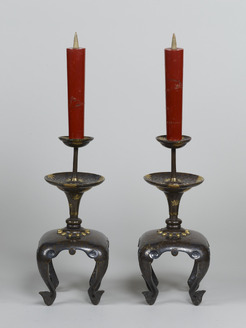
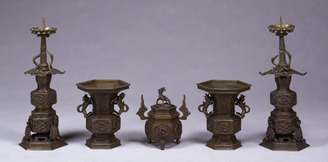
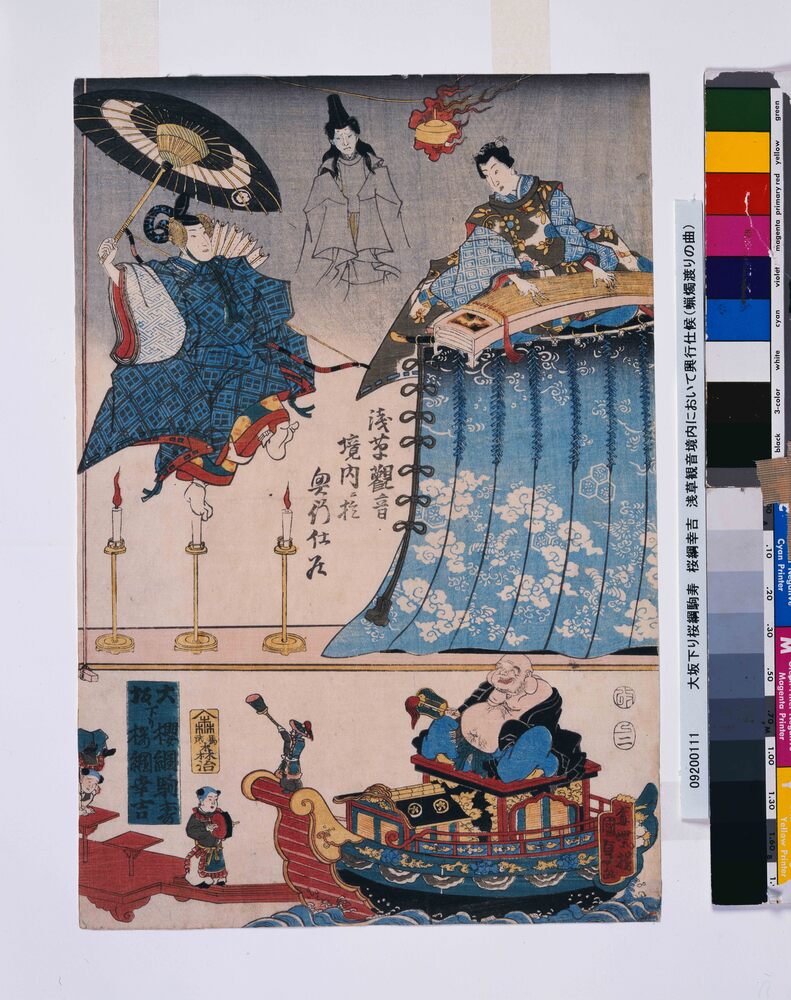
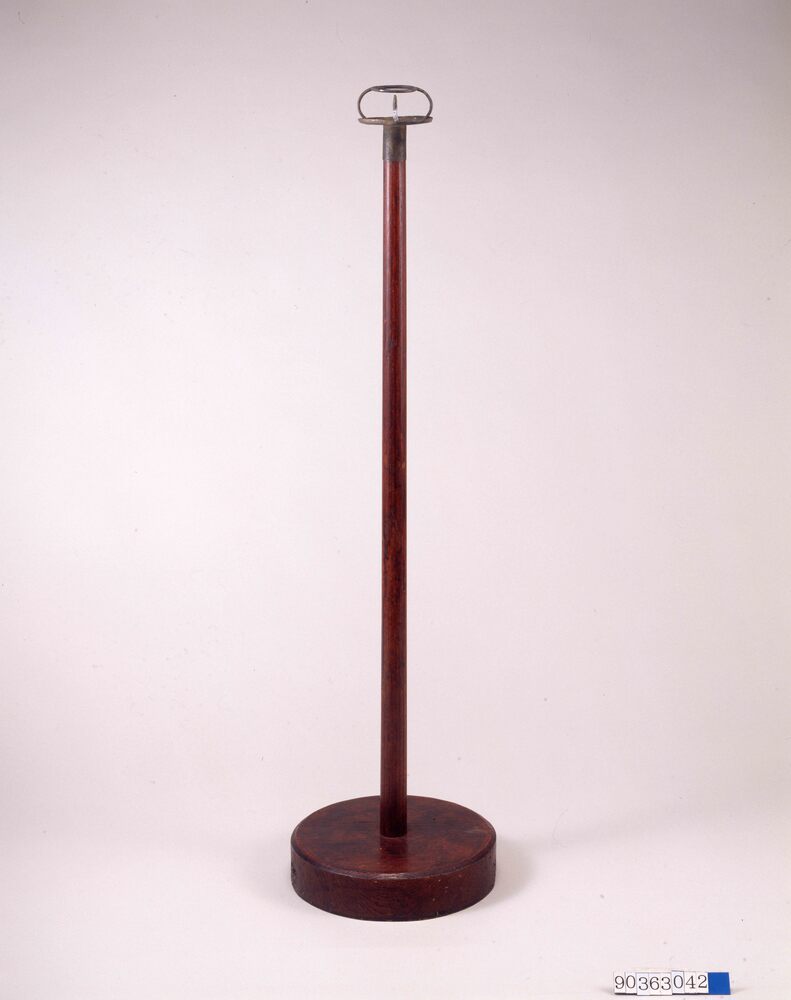
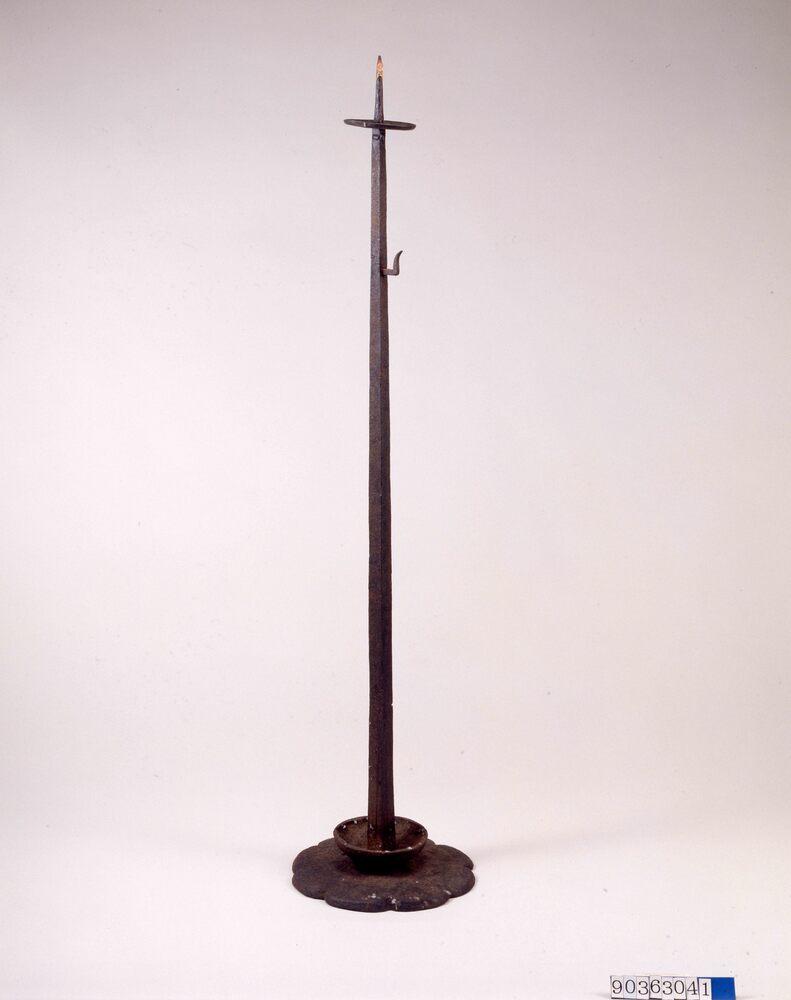
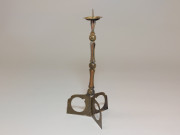
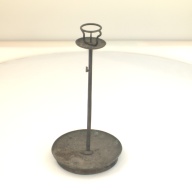
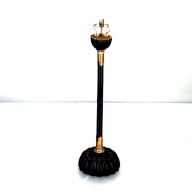
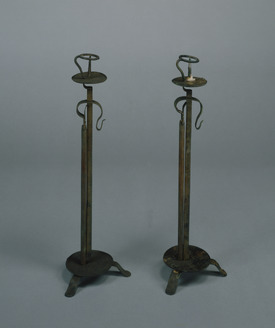
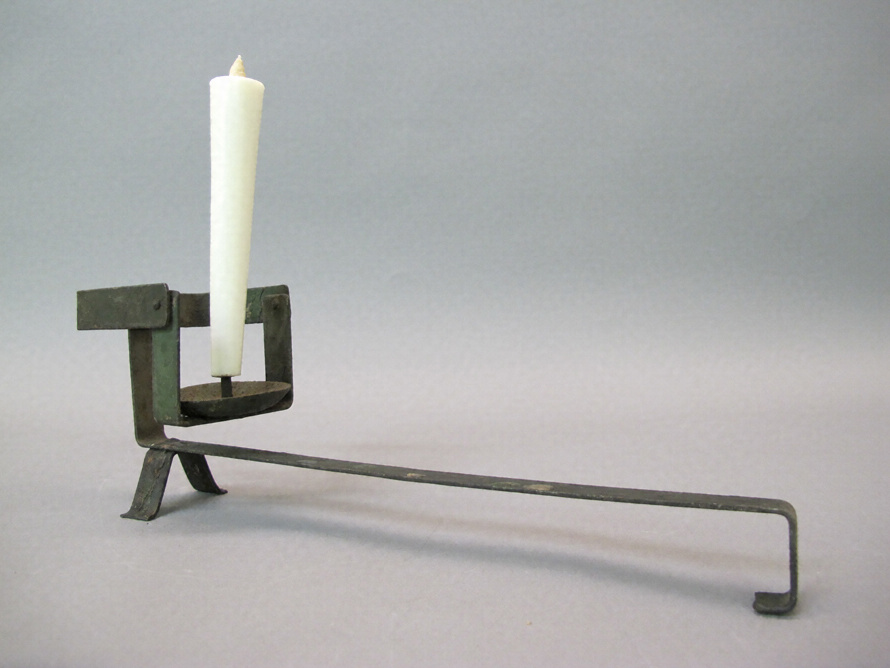
Portable candlesticks
-
明和年間(1764~1772)。鈴木春信筆。
「(手燭を持つ女)」
寛政年間(1800)。歌川豊広筆。
和漢百物語 小田春永
慶応1年(1865)。月岡芳年筆。
手燭
昭和30年代。高岡ホテルで使用されていた手燭である。蝋燭が1本付属する。
手燭
大阪府河内長野市で醸造(醤油)店を営む家族が使用していた手燭。嫁入り道具の一つ。1950年代まで使用されていた。
手燭
大阪府河内長野市で醸造(醤油)店を営む家族が使用していた手燭。屋内を移動する際の手もとの明かり用。1950年代まで使用されていた。
燭台
埼玉県で使用されていた手燭。
Paper lanterns (Andon)
Paper lanterns (Chochin)
Woman Visiting a Shrine on a Rainy Night
<p>A young woman holding a lantern stands in front of a shrine on a rainy night. This print in fact alludes to a noh play called [Aridōshi], in which a man stops at a shrine's entrance on a rainy night after his horse collapses. People of the Edo period (1603–1868) enjoyed identifying such allusions to the classics portrayed in contemporary [ukiyo-e].</p>
Inside and Outside the House at Night
<p>This ukiyo-e woodblock print depicts scenes inside and outside the fence of a residence. The setting is a spring evening with cherry blossoms in full bloom.<br /><br />The artist, Kubo Shunman, was a man of many talents. In addition to ukiyo-e, he also tried his hand at comic tanka poems, haiku, and popular literature.<br /><br />Several passers-by are depicted in bold relief in front of a black fence. They use lamps in their hands to guide them along the dark evening path. This essentially monochrome work is rendered predominantly in black ink. This technique of eschewing vivid colors is known as 'benigirai,' which translates as 'despising red.'<br /><br />It may seem monochrome, but a closer look reveals splashes of color here and there. Color has been used sparingly for illuminated areas only, like the indoor scene at the back or the areas lit by the lamps held by the passers-by. Colors become harder to distinguish in the darkness of night. This work realistically portrays a scene we have all experienced at some point.</p>
Playing the Koto Zither
<p>琴を手元へ引き寄せた若い男が、廂で団扇を手にした娘と何やら話している。ほの暗い庭には小川が流れ、ナデシコが咲いている。年上の女性は、青や紫の朝顔で彩られた着物に黒い帯を締め、提灯には明かりが灯り、涼しげな夏の夜の情景を艶やかに演出している。<br /></p>
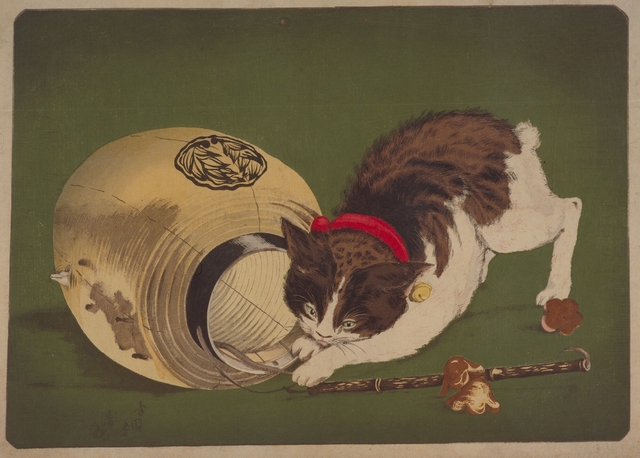
猫に提燈
明治10年(1877)。小林清親筆。第一回内国勧業博覧会出品作。通常の大判サイズより大きい大々判の木版画。提灯には、小林家の家紋「丸抱茗荷」が記されている。
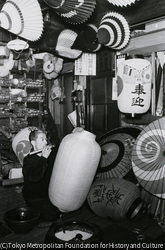
提灯屋
大正15年(1926)。吉田博筆。
提灯作り
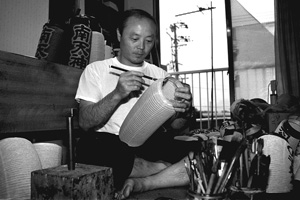
手仕事の技、自分の使命に<br>水出伸秀さん(南天神町)<br>真っ白な提灯に文字を入れている水出さん。明治時代から提灯店をやっており、水出さんが3代目。いちばん多い時期には市内で5、6件あった提灯店も、今はたった1件だけ。「おやじがいたころは、兄弟でやっていたんですが…どこも作り手がいなくなってしまいましてね」と、水出さんは語ります。<br>提灯の型には、大ざっぱに、関東型と関西型に分けられるそうです。関西型はどちらかというと女性的。量産向きとのこと。水出さんは「うちは関東型。手仕事の部分が多いんですよ」と。現在では祭りなどに使う提灯がほとんど。提灯の形をした木の枠に「ひご」を巻きつけ、縦に糸を張ります。そこに和紙をはり、文字入れ。道具付けをした後、仕上げに特殊な油を塗って完成です。「今は、提灯も注文があるときだけ。やめてしまうのもどうかと思い、自分の使命だと思ってやっています」と水出さんは語ってくれました。
家提灯
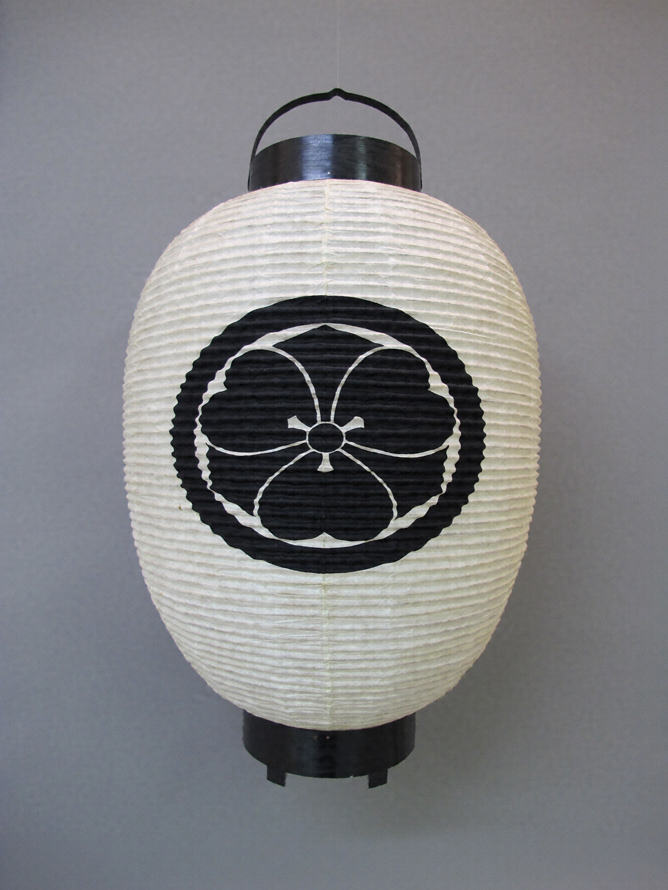
火袋正面に剣カタバミ紋が入った提灯である。 後面には日の丸と考えられる赤色の円が描かれている。底輪は蝋燭が入れられるように穴が開き、そこにスライド式の蓋が付いている。
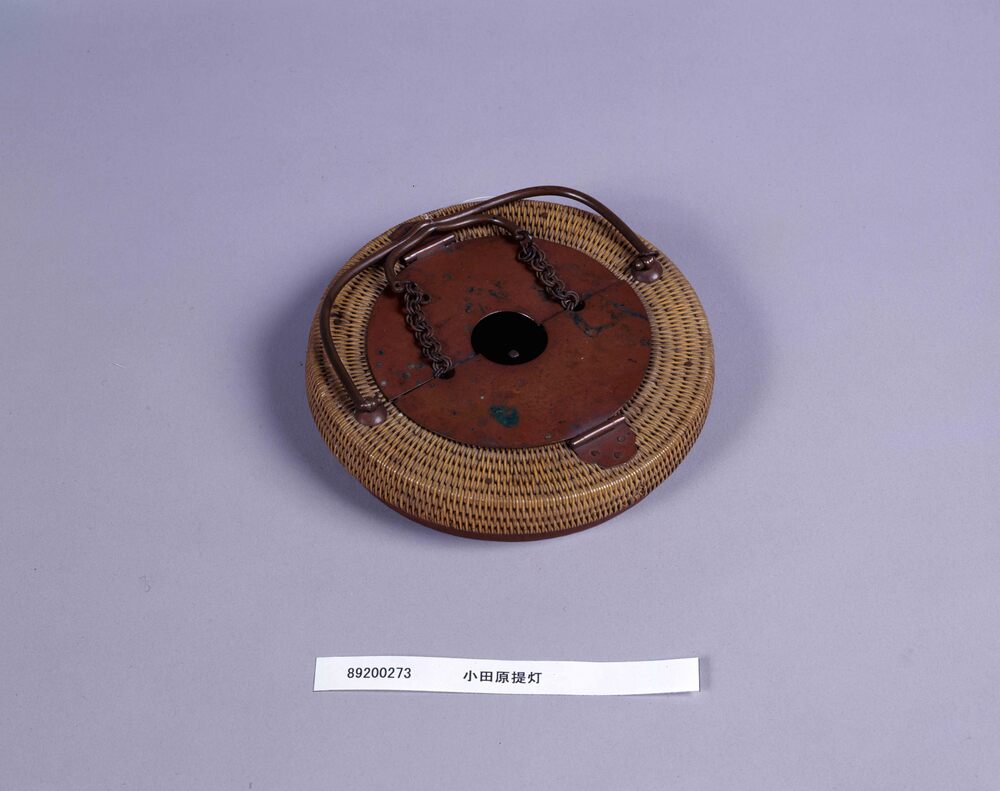
Odawara Lantern (Portable Lantern)
江戸時代(19世紀)。
提灯
三重県。
提灯(棒付き)
三重県。
Odawara Lantern (Portable Lantern)
江戸時代(19世紀)。
提灯(フグ提灯)
長崎県。

Lamps
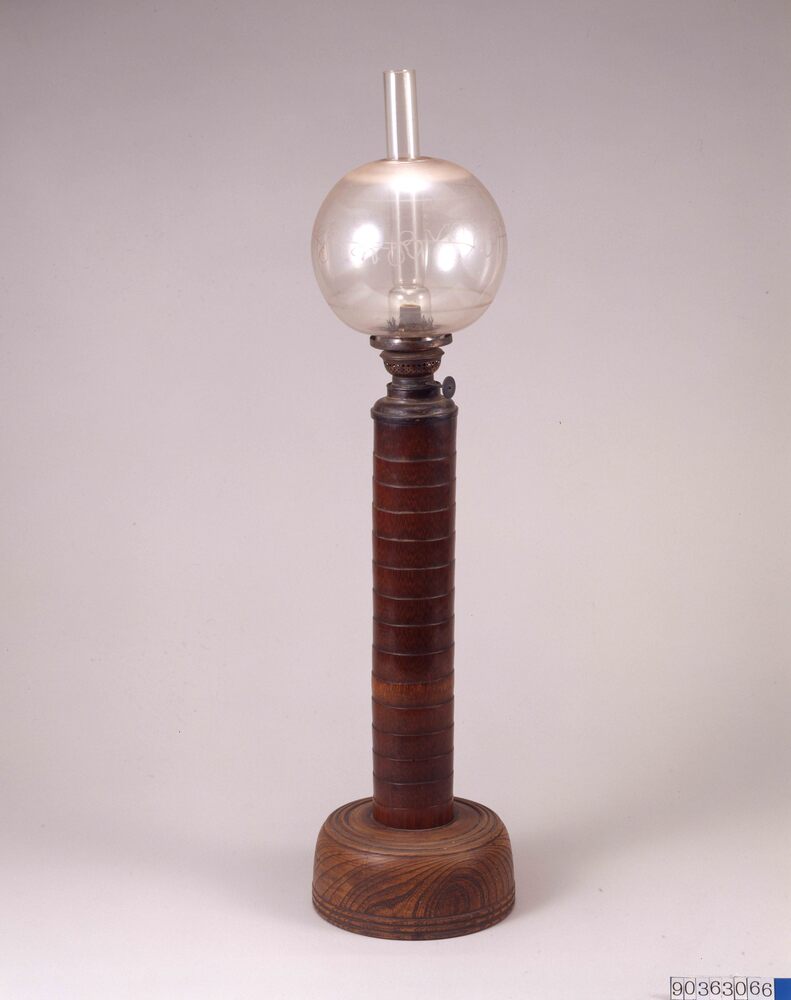
座敷ランプ
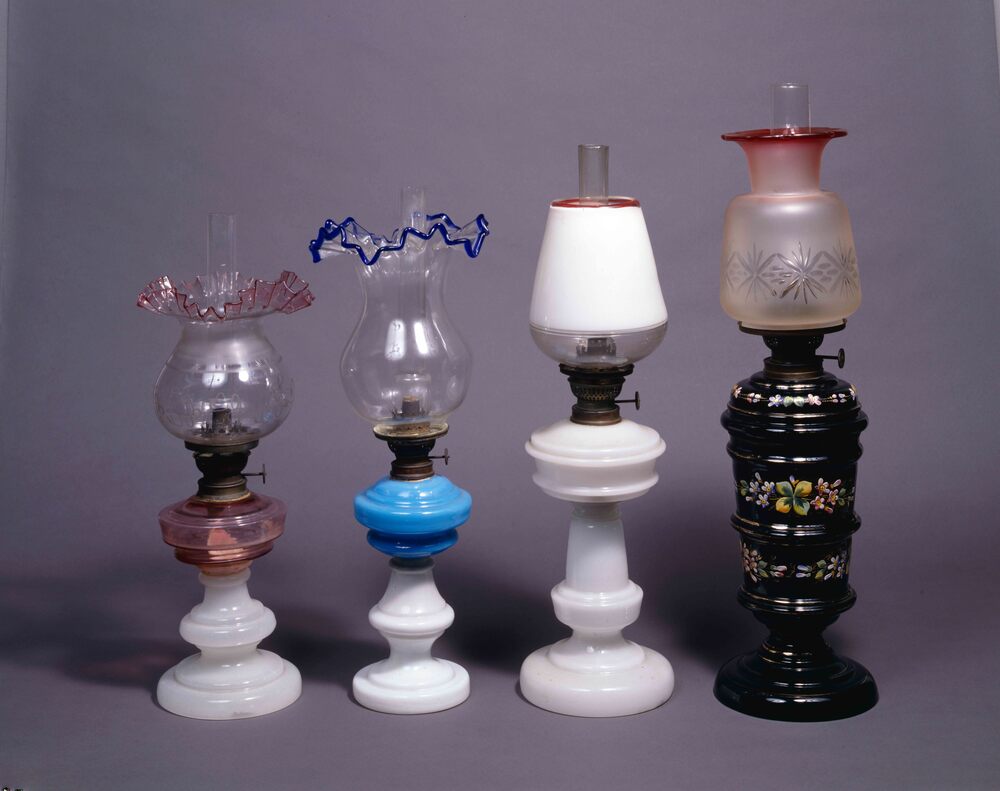
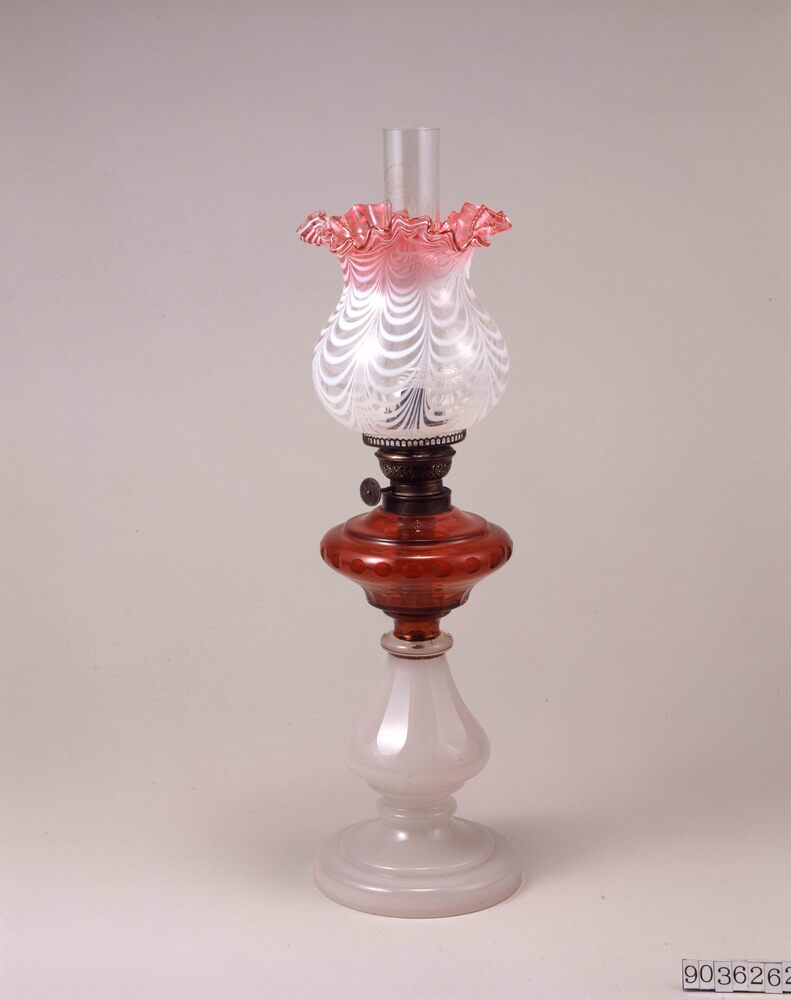
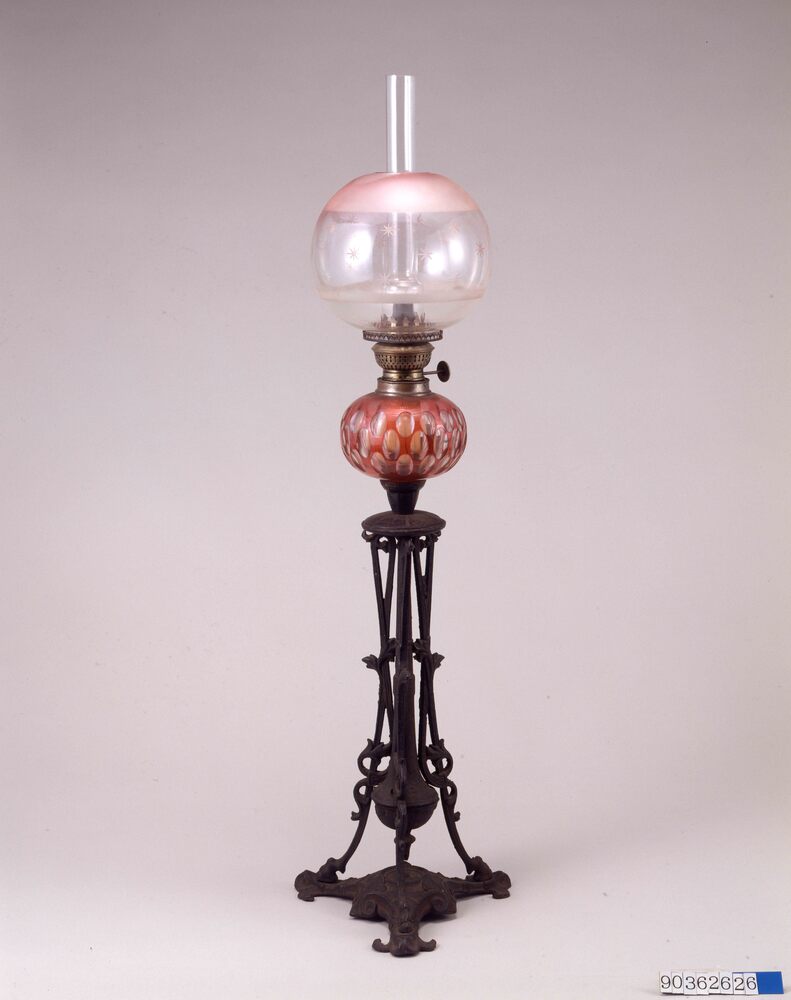
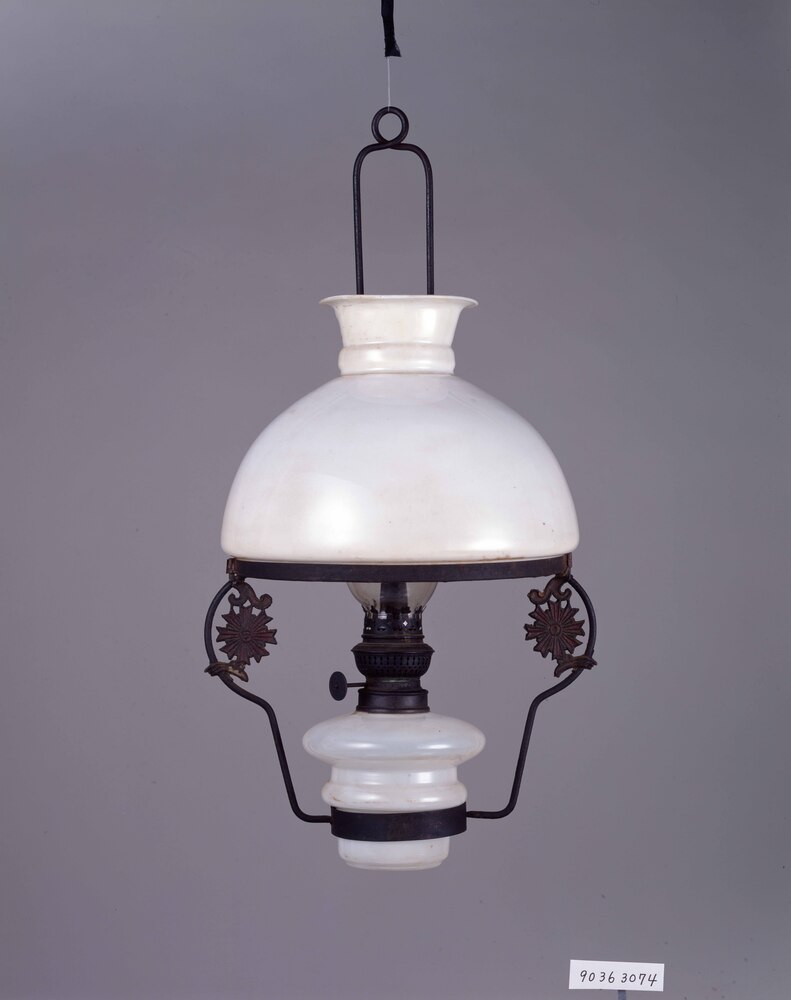
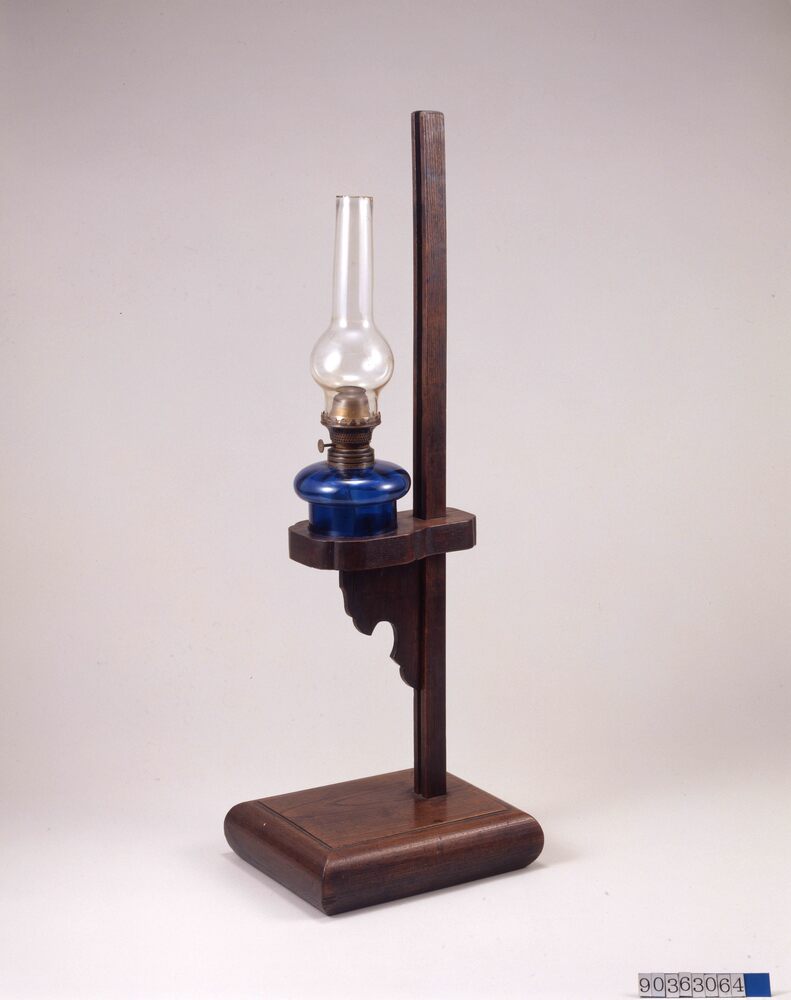
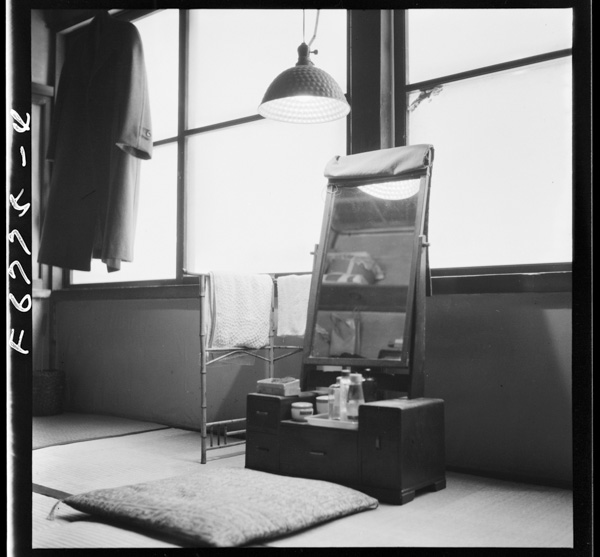
With Japan’s opening to the world, kerosene lamps, a new type of lighting fixture, were imported from Europe and America. The imported lamps were, however, expensive and not readily available. Over time, production of the fragile glass lamp chimney and the oil pot for these lamps made progress in Japan, and domestically produced kerosene lamps became the standard lighting fixture in the Meiji period. The imported lamps were relatively short, since they were designed for placement on a tabletop, a design that suited the table- and chair-based culture of the West. To make the new technology fit Japanese lifestyles, in which sitting on the floor in a tatami-covered sitting room was a central element, the lamps needed to be redesigned. They were given tall bases so that they could be placed directly on the floor of the sitting room. Improvements were also made in the wick, to increase the brightness of the light produced. The main type was a flat, belt-like wick, but a cylindrical coiled wick was also used to increase the area in which the fuel was burning and thus make the light brighter. The coiled wick, however, consumed far more kerosene. Its use was thus usually confirmed to special situations, such as when welcoming a guest.
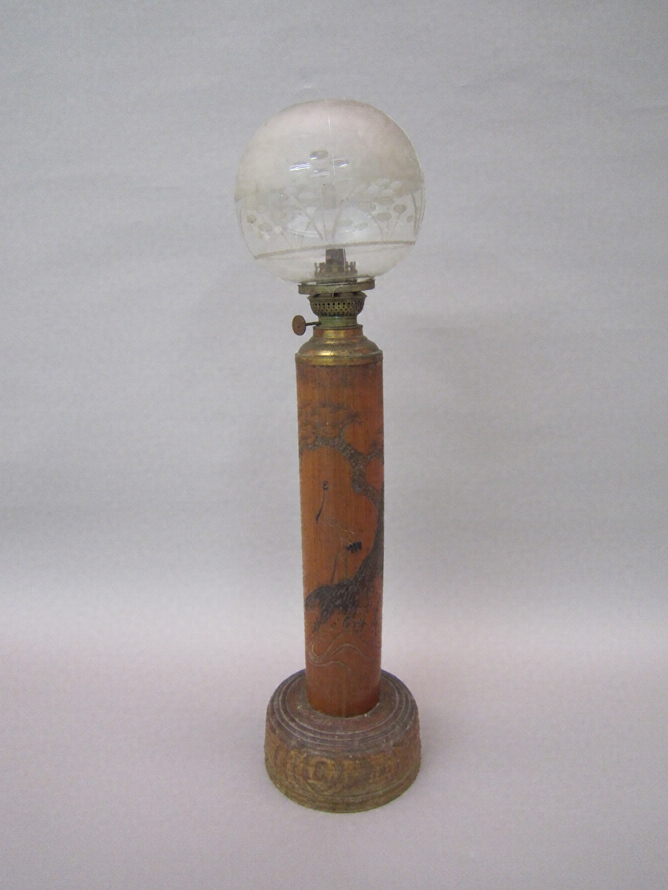
石油ランプ
照明器具の石油ランプである。 木製の台・胴部、金属の口金、ガラス製の火屋(ほや)の構造である。胴部には松の木に乗る鶴の様子が描かれ、球形の火屋には草花が描かれている。
歴史を探るランプから電灯へ
上田に初めて電灯がともったのは明治35年。農村部に普及したのは大正期になってからだった。
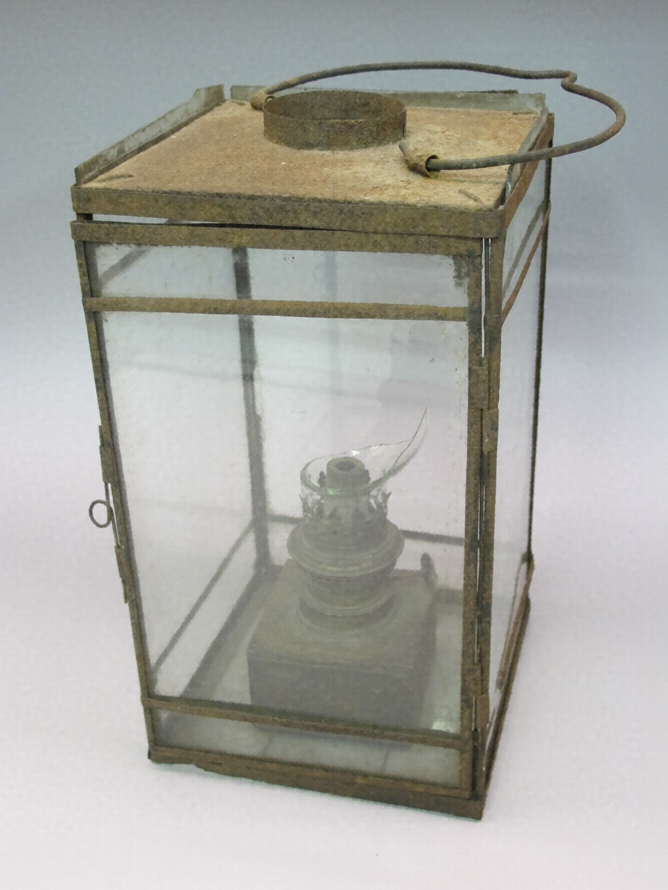
角灯
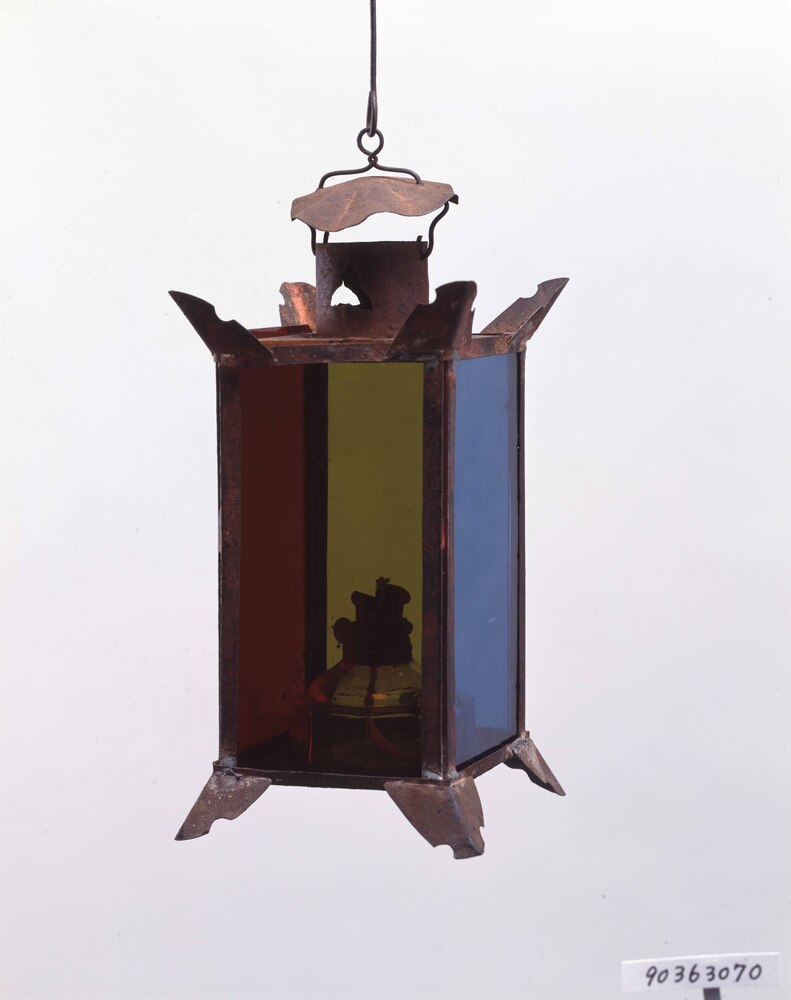
ランプをガラス張りの箱に収めて吊り下げられるようにした角灯である。 外箱は側面四方と底面がガラス板で、枠と天板が金属製の直方体である。側面の一方が蝶番によって開閉できるようになっている。天板は中央に穴が開いており、吊り手が付いている。ランプは基部が金属製で、火勢調節用のつまみが付いている。
卓上ランプ
明治時代(19世紀)。
Desk Lamp
明治30~45年(1897~1912)。
Floor Lamp
明治30年(1897)。
吊りランプ
明治時代(19世紀)。
座敷ランプ
明治時代(19世紀)。
吊りランプ
明治時代(19世紀)。
吊りランプ
明治時代(19世紀)。
卓上ランプ
明治時代(19世紀)。
ハンドランプ
明治時代(19世紀)。
Downward Lamp
明治時代後期(20世紀)。
下向きランプ
大正時代に使われたオイルランプで、ランプは通常上に向けて火を灯すが、これは下に向けて真下を明るく照らす。ホヤと呼ばれるガラスで覆って風を防いだ。
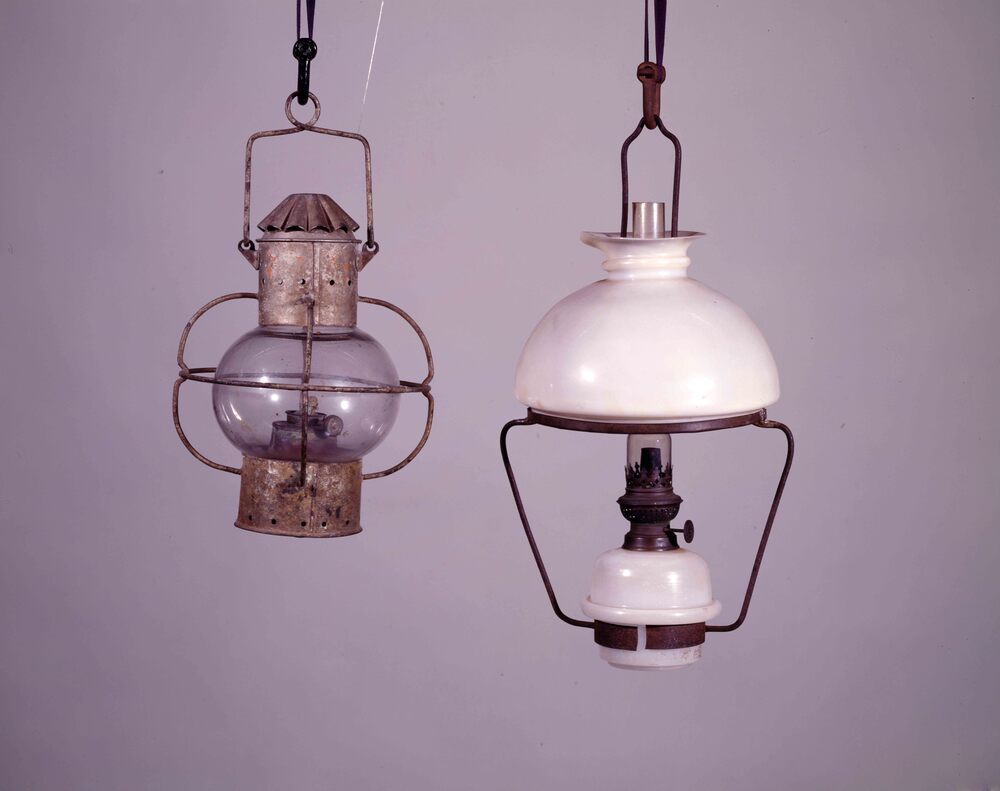
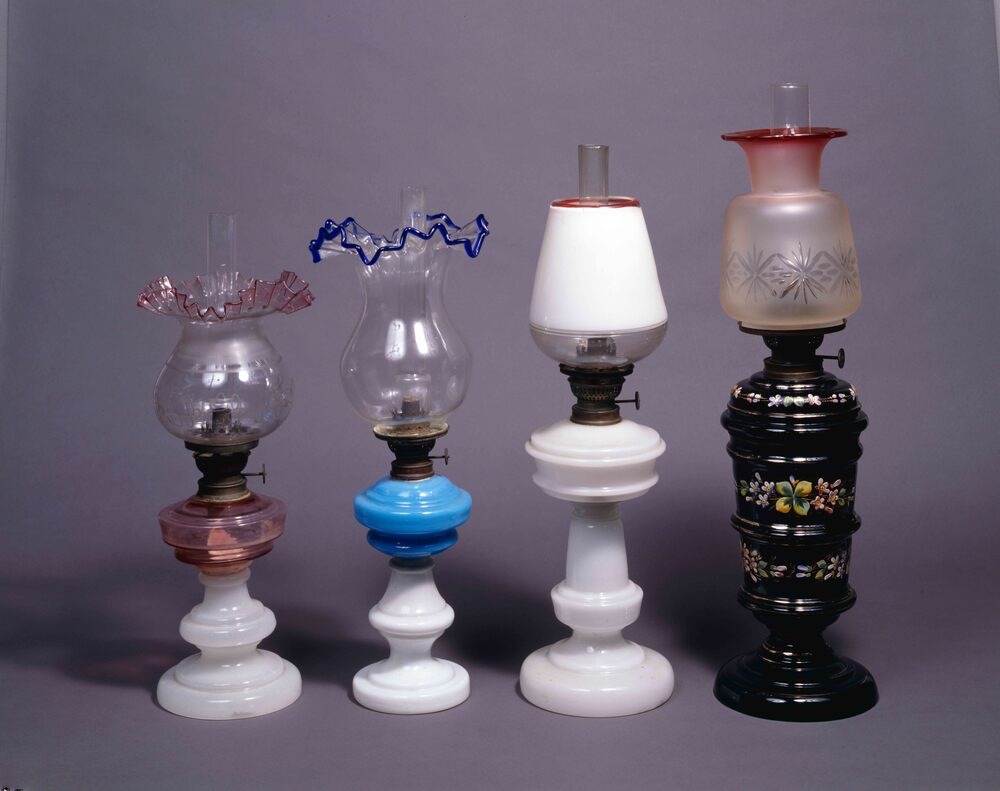
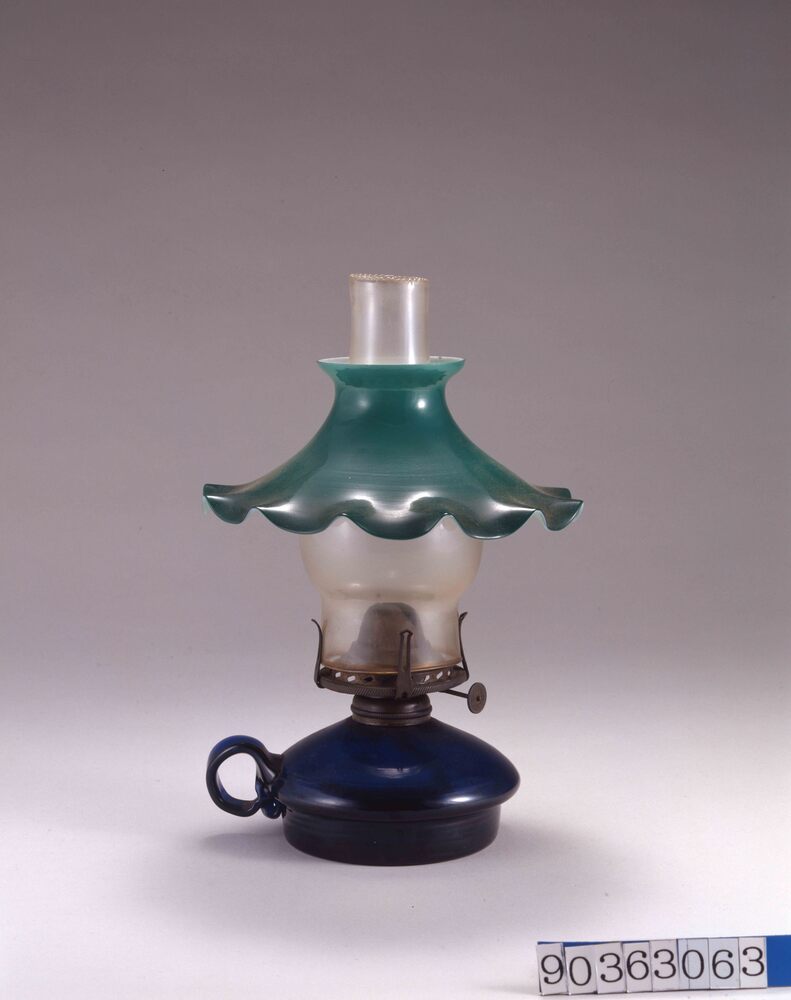
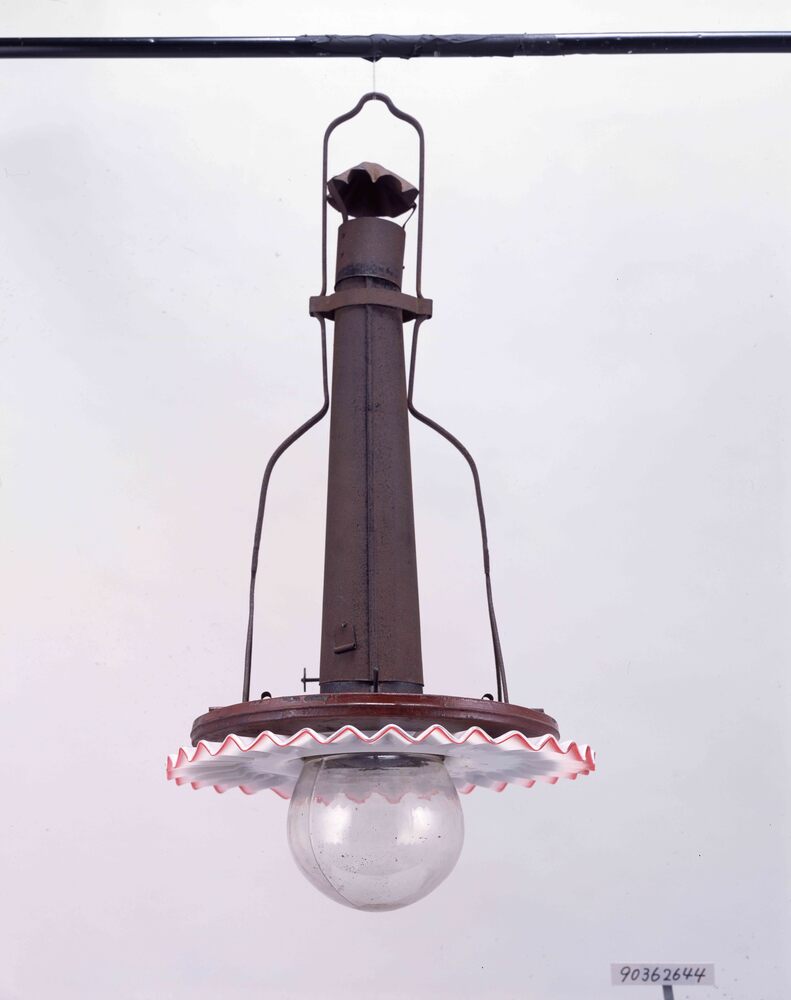
Gas lamps
江戸橋夕暮富士
明治12年(1879)。
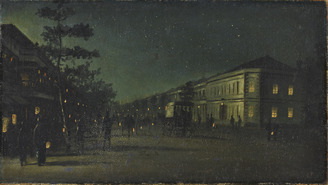
Night View in Ginza
明治時代(19世紀)。政府は明治5年(1872)の大火で焼失した銀座一帯を煉瓦造建築で不燃化することを計画し、英国人ウォートルス+Thomas James Waters+を監督として施工した。明治7年には街路にガス灯が設置されて、銀座の夜景は新時代の象徴の一つとなり、絵画の主題にもなった。松本民次の経歴は未詳であるが、国沢新九郎から本多錦吉郎に受け継がれた画塾「彰技堂」に学んだことが知られる。幕末明治期に導入された洋画に見られる光と闇の対照の表現に強い影響を受けた作品が残されている。
東亰上野公園地第二内国勧業博覧会開場之図
第2回内国勧業博覧会は、明治14年3月1日から6月30日まで開かれた。ジョサイア・コンドルの設計により新築されたばかりの博物館本館が博覧会場として一部利用された。西南戦争をきっかけとしたインフレーションなど不況下であったが、出品数は第1回の約6倍に、入場者数も倍近くにのぼった。第1回の時に日本初の噴水が設置され人気を集めたが、第2回でも設置され、来場した人々を楽しませた。出品物は、前回の県別ではなく種別に展示され、同じジャンルの中で比較することに重点が置かれた。名誉賞は牙彫髑髏(人の頭蓋骨の精巧な模型)、七宝画製品、富岡製糸場、北海道移民拓地表がとり、改良版ガラ紡も賞を取った。しかし、当時、特許制度が無かったため、ガラ紡の模倣品も多く出品され、開発者の臥雲辰致(がうんときむね)は貧困を極めた。
下向きガス灯
近代(19~20世紀)。
吊り型ガス灯
近代(19~20世紀)。
東京名所之内銀座通煉瓦造鉄道馬車往復図
明治16年(1883)。
Gas A
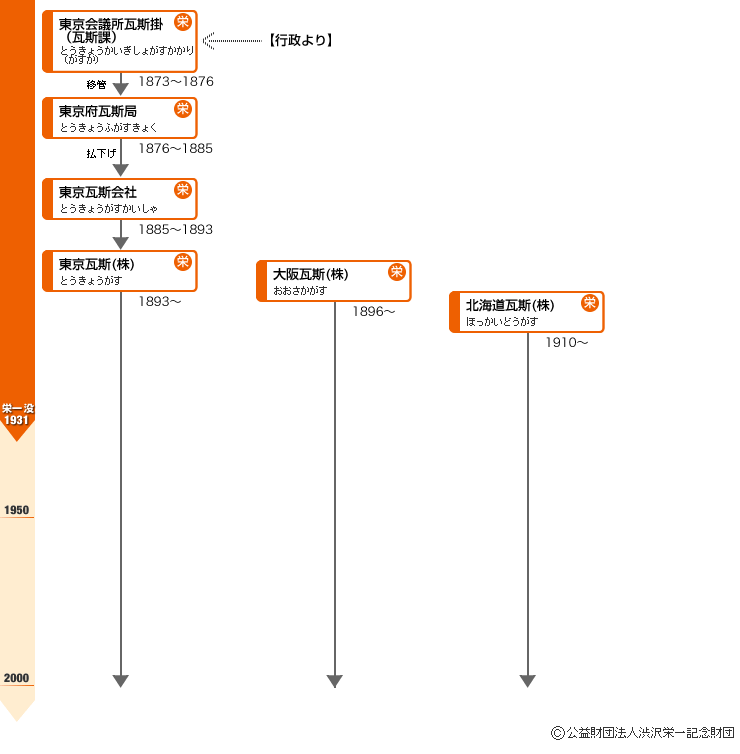
1872年9月に発足した東京会議所は、1873年11月に瓦斯掛を設けてガス事業に乗り出し、1874年12月18日、金杉橋・京橋間に初めてガス灯を点灯させました。渋沢栄一は1874年11月より東京会議所共有金取締となり、ガス事業に関わるようになります。ガス事業が東京府へ移管、更に民間に払い下げられた後も長く関わり続けました。また、大阪瓦斯(株)では1901年より監査役、北海道瓦斯(株)では発起人となりました。
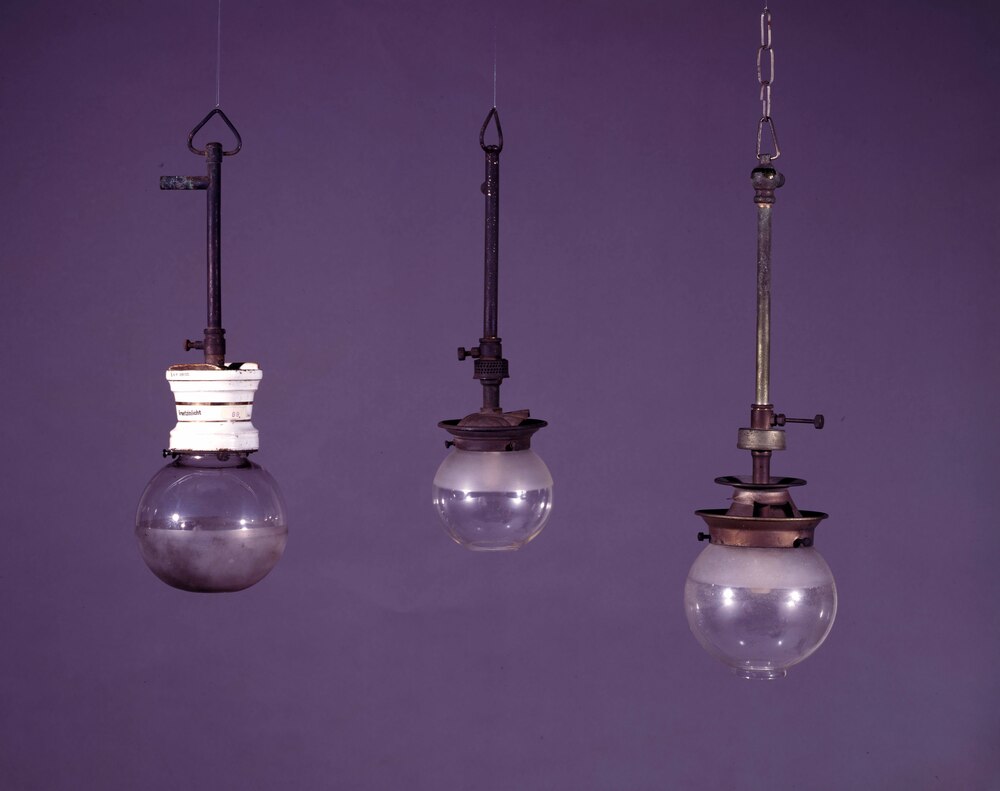
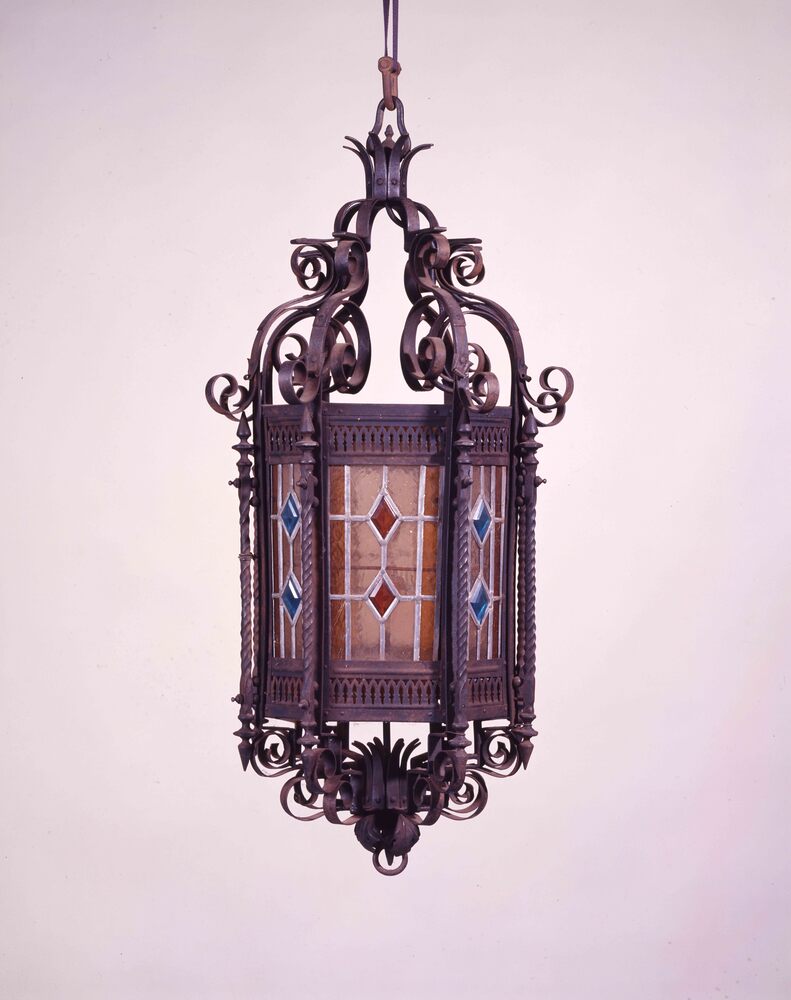


Electric lamps
東京銀座通電気灯建設之図
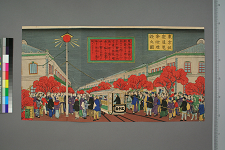
明治16年(1883)。歌川重清筆。明治15年、東京電灯(東京電力の前身)の発起人の一人、大倉喜八郎が東京・銀座2丁目に日本初の電気街灯を設置した。極に炭素棒を用いた「アーク灯」と呼ばれるアメリカから輸入された電灯で、毎晩多くの見物人で賑わった。
「大阪名所」 「道頓堀芝居前 夜乃景」
明治28年(1895)。 林基春画。
ホーロー看板「電球交換所」
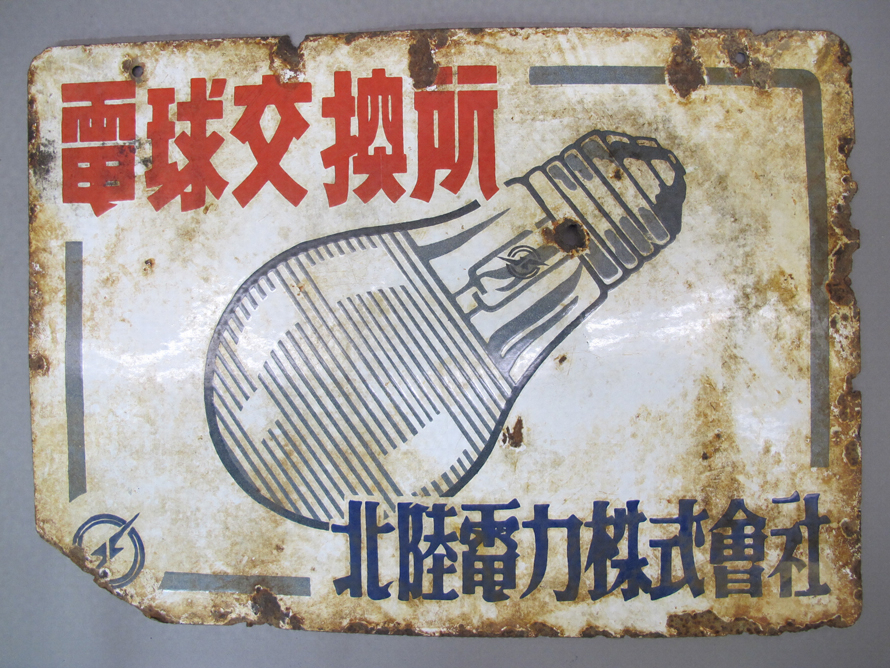
北陸電力株式会社が運営していた電球交換所のホーロー看板である。 両面共に同じデザインで、中央に電球の絵、右下に「北陸電力株式會社」、左下に同社のロゴマークが、それぞれ青で描かれている。 【電球交換所について】 ・昭和17年~40年代に存在。 ・当時電球は定額貸付制だったため、故障した電球を利用者が交換所に持ち込み、有料で新しいものと交換していた。料金は時代によって変動するが、当時の金額で10~30円程度。 ・農村や漁村などでは、中心となる集落内の商店が代理で業務を行っていた。 ・電球交換所の業務 (1)自然断線、光度低下、口金不良の電球は所定の引換料を徴収、領収書を添えて新球と引換。 (2)破損した電球の引換には口金の持参が必要。破損・紛失の場合にも所定の引換料を徴収、領収書を添えて新球と引換。 (3)顧客の希望により、従業員が顧客の家に出向いて電球交換を行う場合もある。 (4)遠隔地の顧客は、区域内の交換所を利用してもらう。 (5)販売用電球との混用防止のため、貸付電球受け渡しの際にガラス面や口金に記された標印を確認。標印の種類は以下の通り。 ①定格電圧と燭光数 ②定額灯用を表す○定の記号 ③会社の社章や支社を表す記号 ④会社が承認した電球製造者の商標 (6)持ち込まれた電球と電灯契約が一致しているかを確認するため、営業カードや顧客が持参する直近の電灯料領収書と照合する。 (7)電球授受の際は「点火試験」を行い、電球の導通と光度を確認する。 参考資料『日本における定額電灯制と電球貸付の変遷』 (加島篤、北九州工業高等専門学校研究報告第46号、2013年)
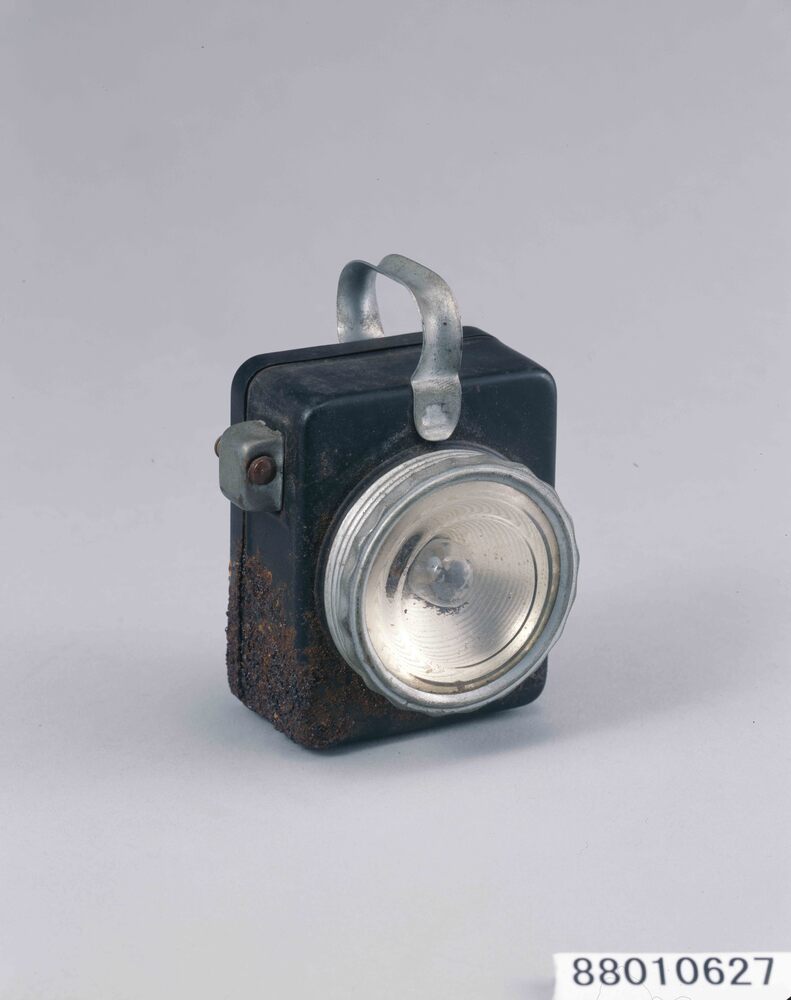
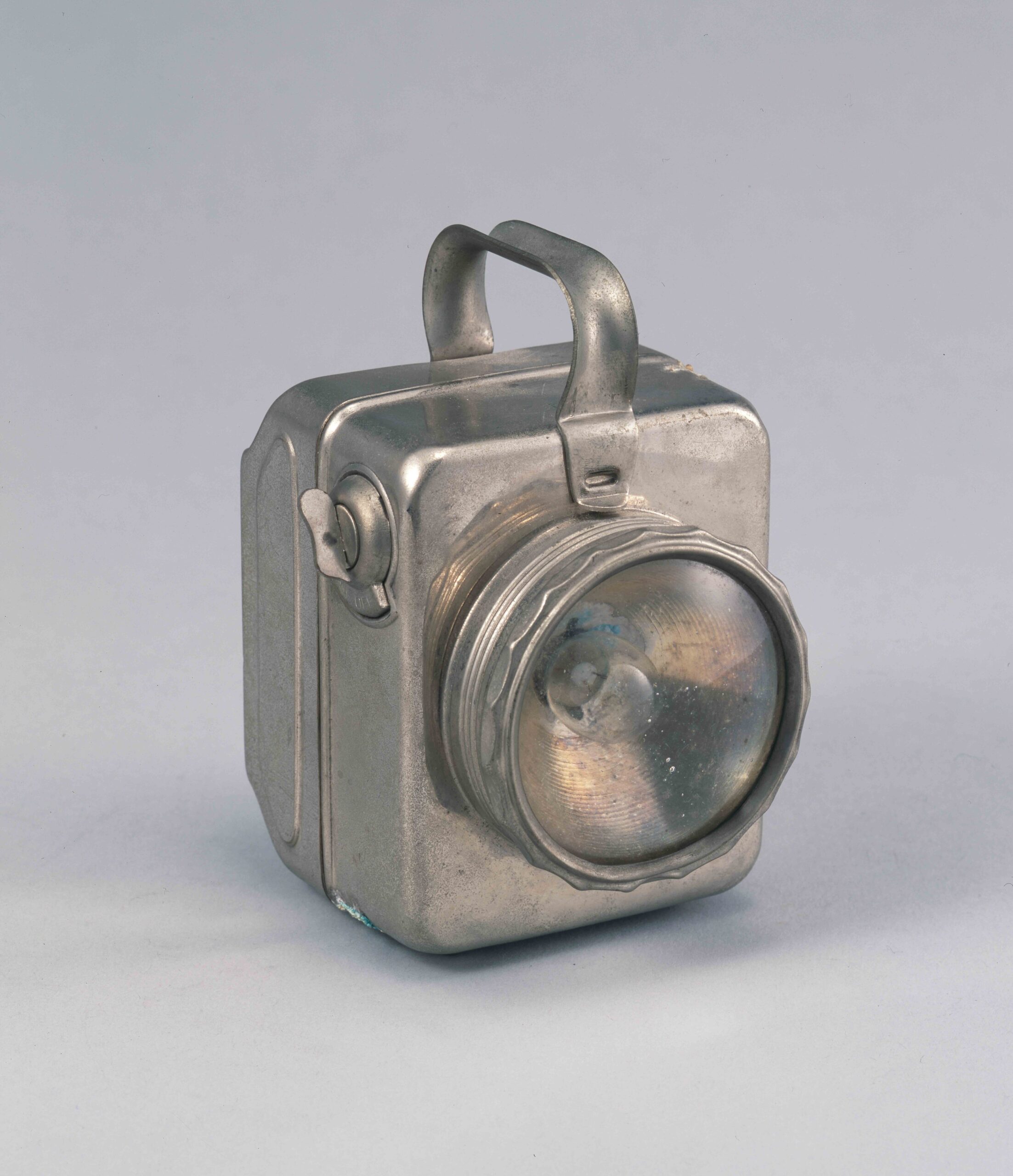
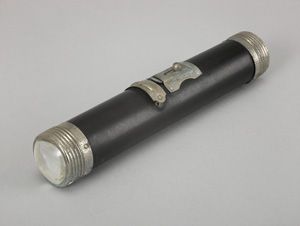
懐中電灯
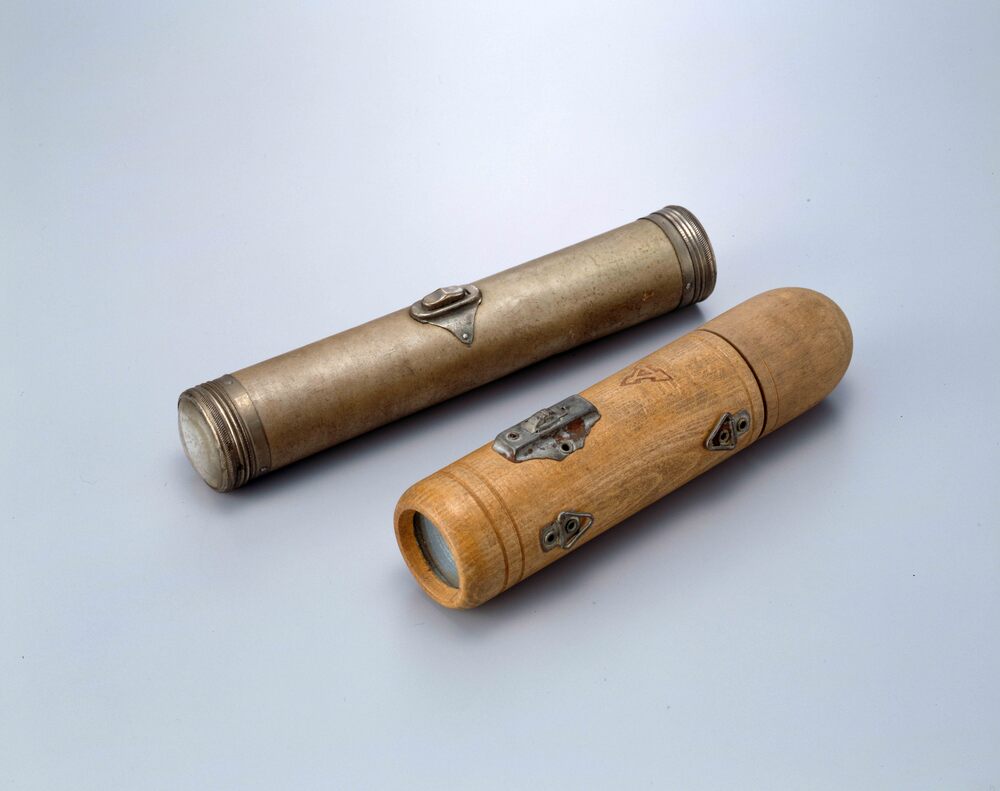
購入元号:大正 購入日:大正11年2月9日 購入金額:70銭 納入者:松石源治郎
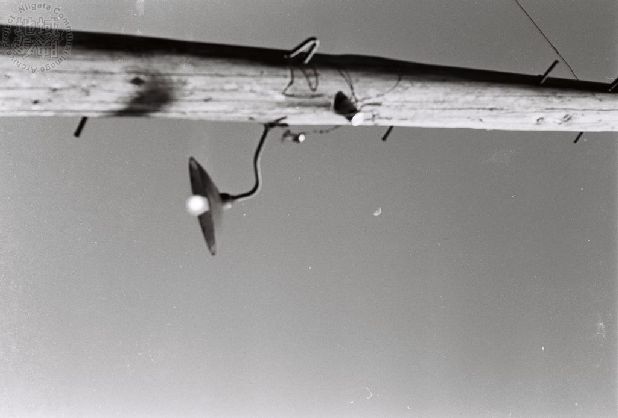
電柱の電灯
1950年代(推定) 新潟県新潟市西蒲区 電柱の電灯

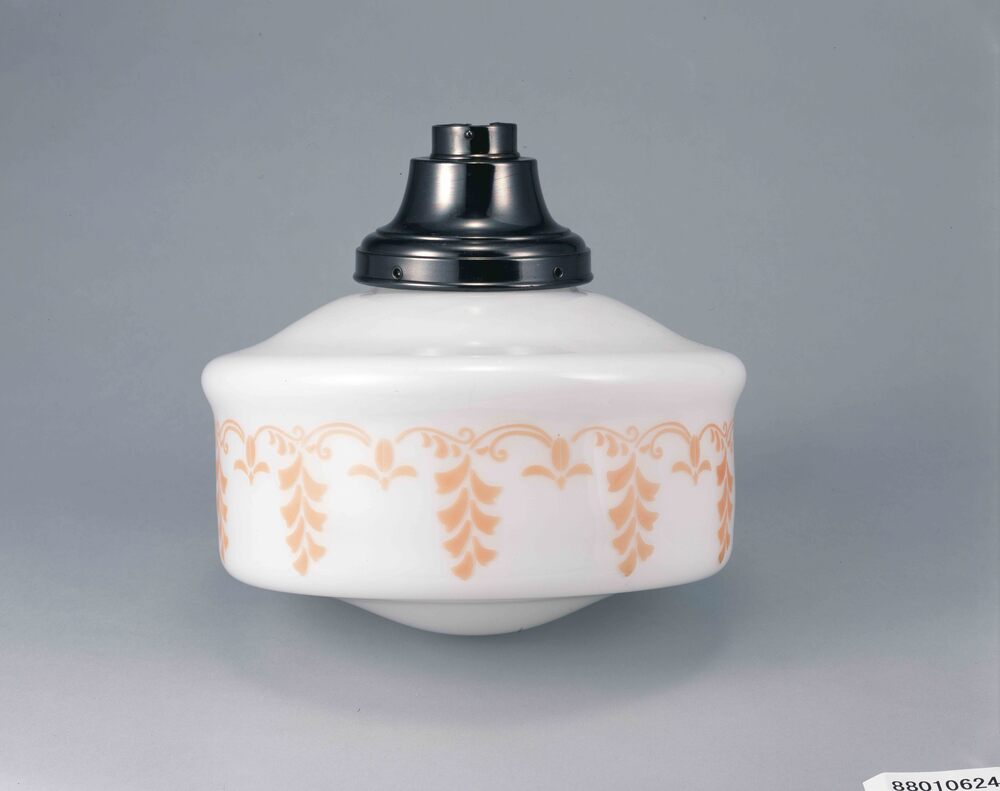
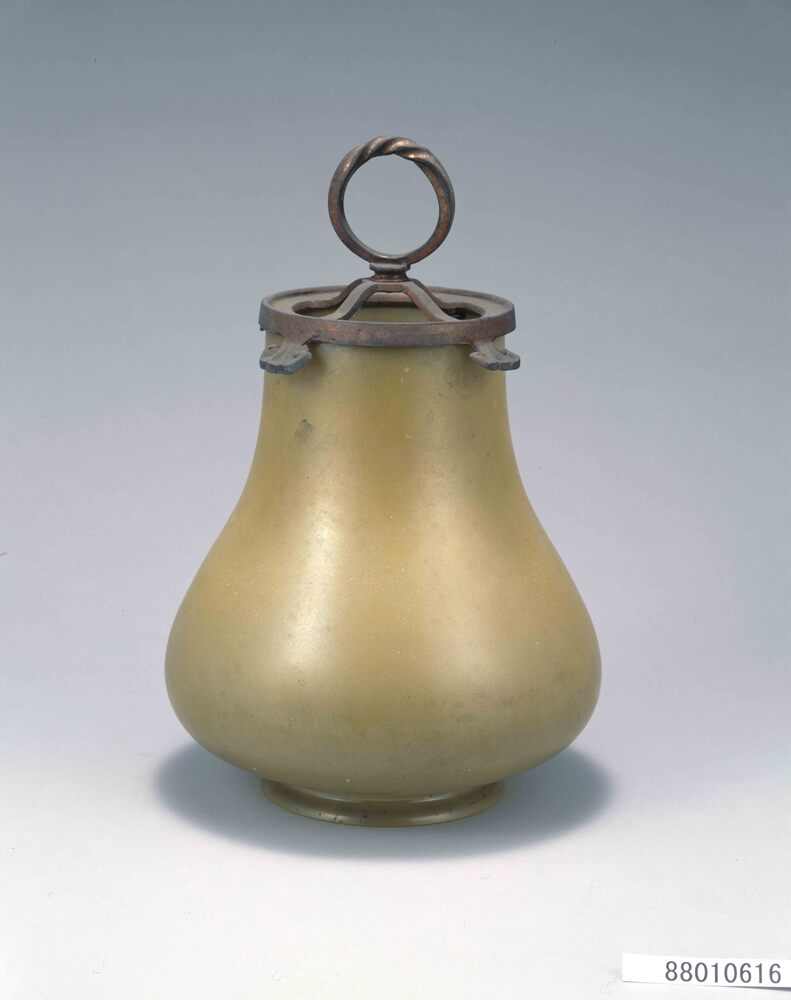
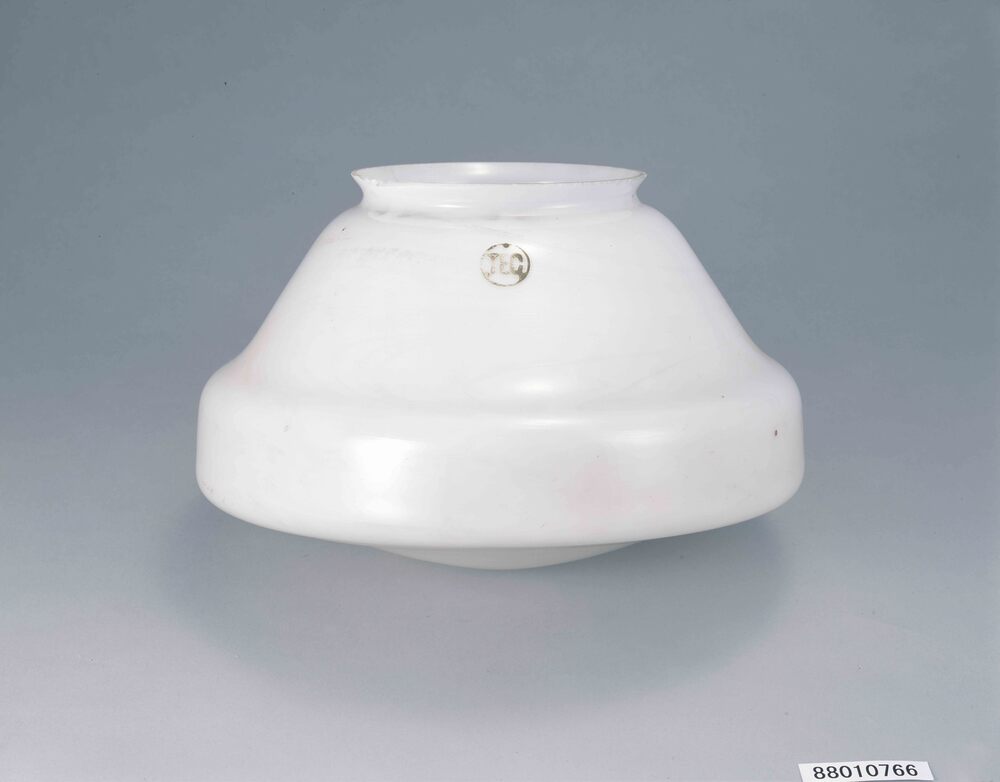
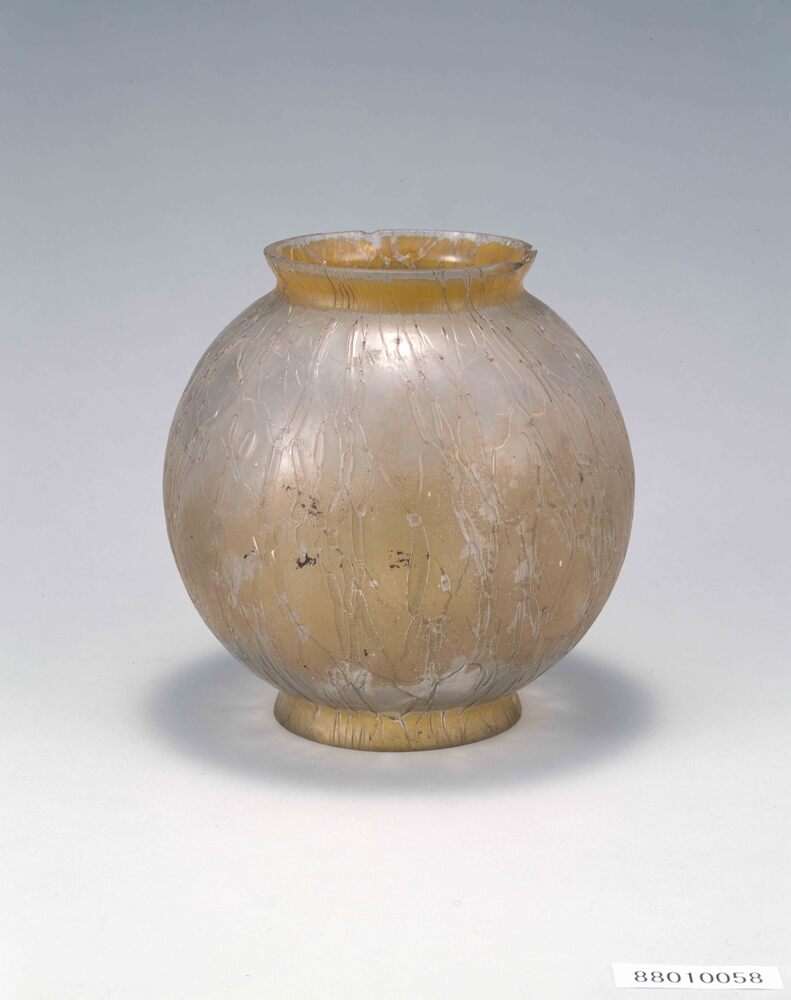
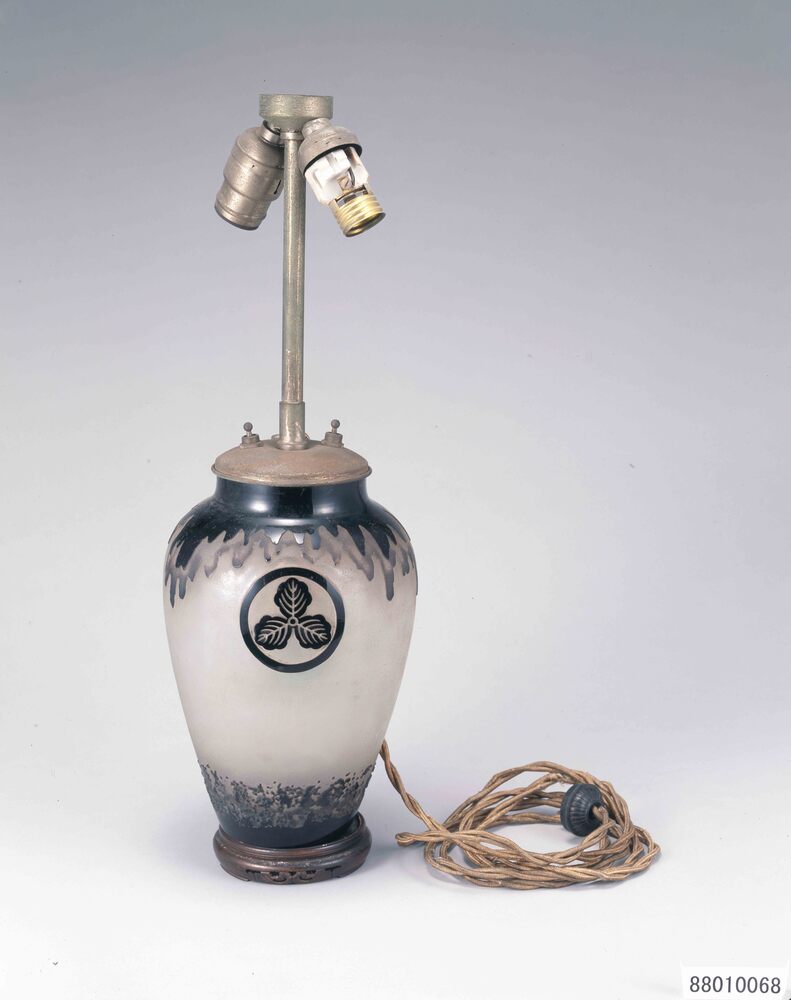
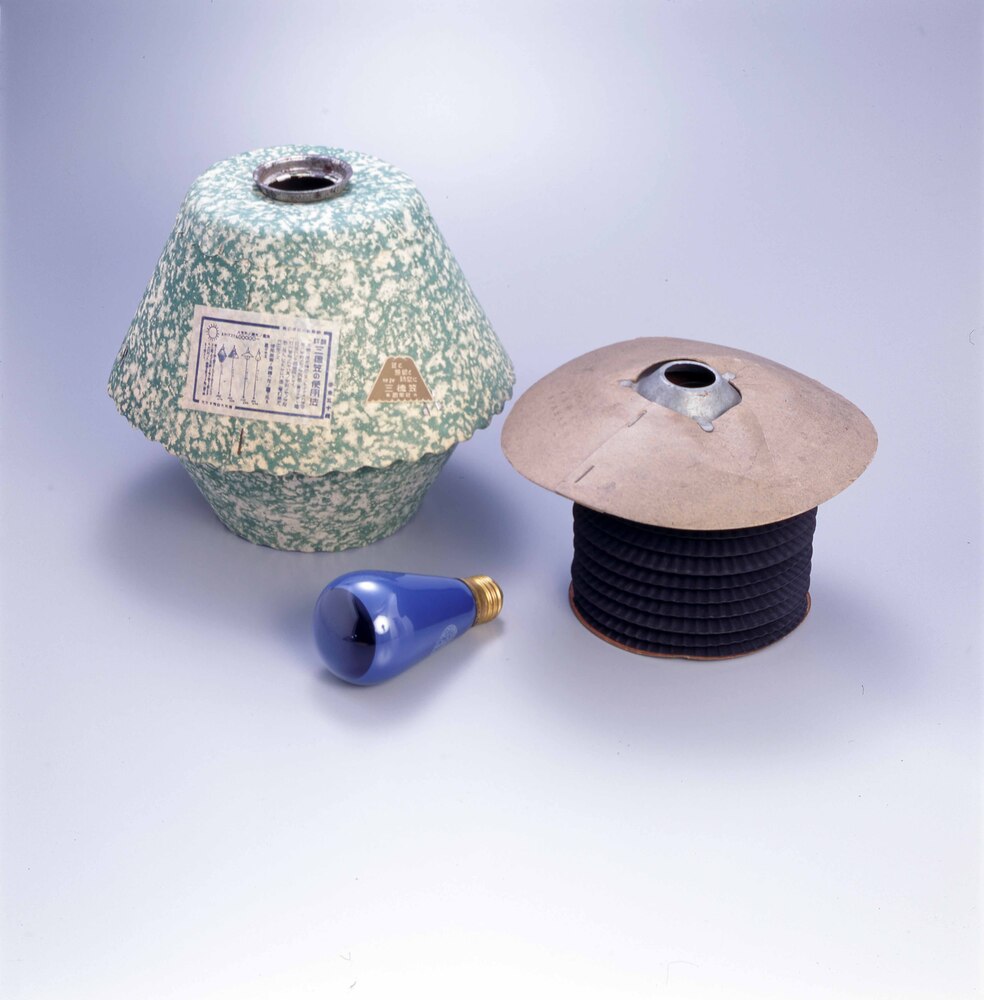
Foreign lighting instruments
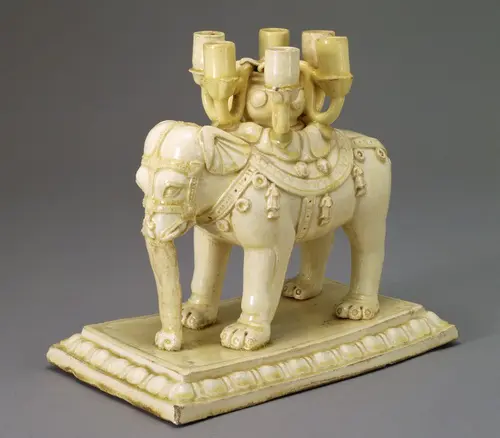
Candle Stand in Shape of Elephant, White Porcelain
中国・唐時代(7世紀)。類例の少ない作品である。本体を象の形に作り、背に6本の筒型のロウソク立てを備えている。台座は長方形で、台座の周りには蓮弁を巡らせている。象の体には様々な飾りが取り付けられ、背には丸いカーペットの敷物が敷かれている。白磁は6世紀後半、河南省鞏義窯や、河北省邢窯で本格的に生産が始まったが、その完成は8世紀後半である。この作品の年代は蓮弁の様式や造形、白磁の釉溜まりなどからみて、唐時代前期、7世紀後半の作と考えられる。象の姿、台座、ロウソク立てに巡らされた蓮弁など、仏教的要素が強く感じられる作品である。
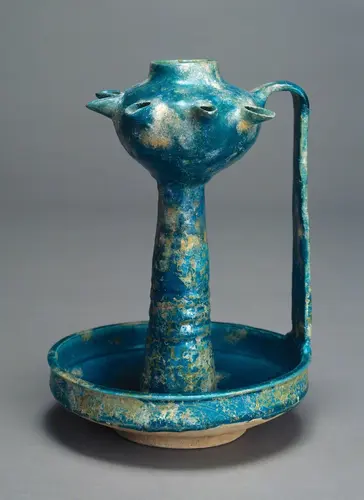
Blue-Glazed Candleholder
イラン(12~13世紀)。
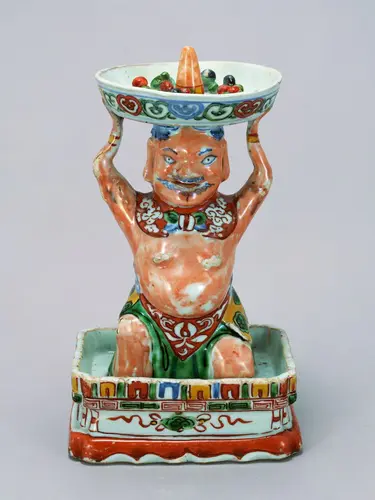
Candle Stand in Shape of Wrestler, Over-glaze Enamels
中国・明時代(1573~1620)。力士をかたどった燭台。ロウソク立ての付いた盤を頭部に捧げ持ち、盤のなかに赤・黒・緑に彩色された食物とおぼしきものが置かれている。力士の体は肌色に彩色され、目・眉毛・髭などは青花で描かれている。衣服は赤・黄・緑で彩色され、上着の雲文など赤地に描かれた文様は白く残され、黄地には緑彩で文様が描かれている。長方形の台座の裏面には、6字横1行の青花銘。
Candlesticks
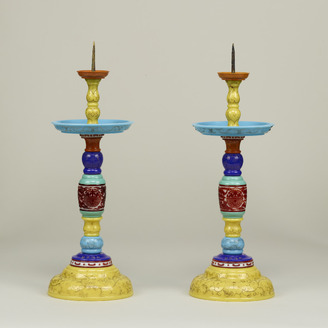
中国・清時代(1736~95)。さまざまな色ガラスを組み合わせて燭台の形に作ってあります。胴と裾に、白ガラスの上に赤いガラスを重ねて文様を彫りあらわす乾隆ガラス独特の手法がみられ、細い線彫りに金彩を加えた装飾が各所に施されています。裾に「乾隆年製」の銘があります。 中国のガラス工芸は、清時代17世紀以降、西洋のガラスの製造技術を学習して、大いに発達しました。しかし、中国のガラス工芸は、西洋のガラスのような透明感よりも、ヒスイなどの玉(ぎょく)のようにつややかな色彩や質感を出すことが重んじられました。 この作品は、蝋燭(ろうそく)を立てるための燭台(しょくだい)です。蝋燭を突き刺す金属製の棒を芯棒にして、色ガラスで作られたパーツを積み重ねています。それぞれのパーツは黄色、青色、水色などと色とりどりであり、表面には植物文様が刻まれています。よく見ると、文様の線には金が使われていたようですが、ところどころ金が落ちてしまっています。燭台の中段あたりには、白いガラスの上に赤いガラスで「寿」(ことぶき)という文字をレリーフ状に表すという、手の込んだパーツもあります。下段には「乾隆年製」(けんりゅうねんせい)という文字が刻まれており、この燭台が清(しん)の第6代皇帝である乾隆帝の時代、すなわち18世紀に製作されたことが分かります。乾隆帝の時代は、中国のガラス工芸の絶頂期とされており、この色鮮やかな燭台もその時期を代表する作品のひとつです。
A Pair of Bronze Candleholder
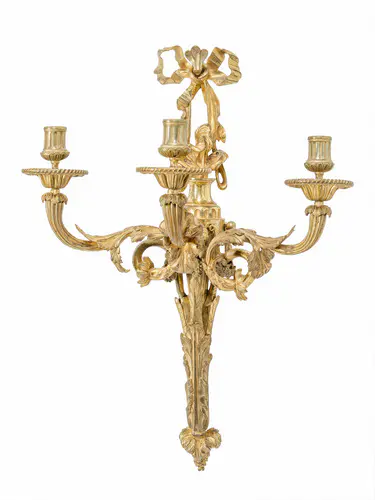
フランス(19世紀)。
Centerpiece
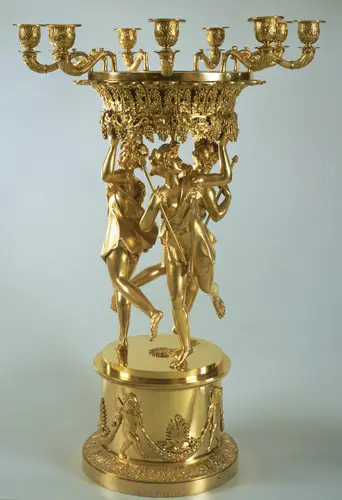
フランス(19世紀)。
花形ランプ
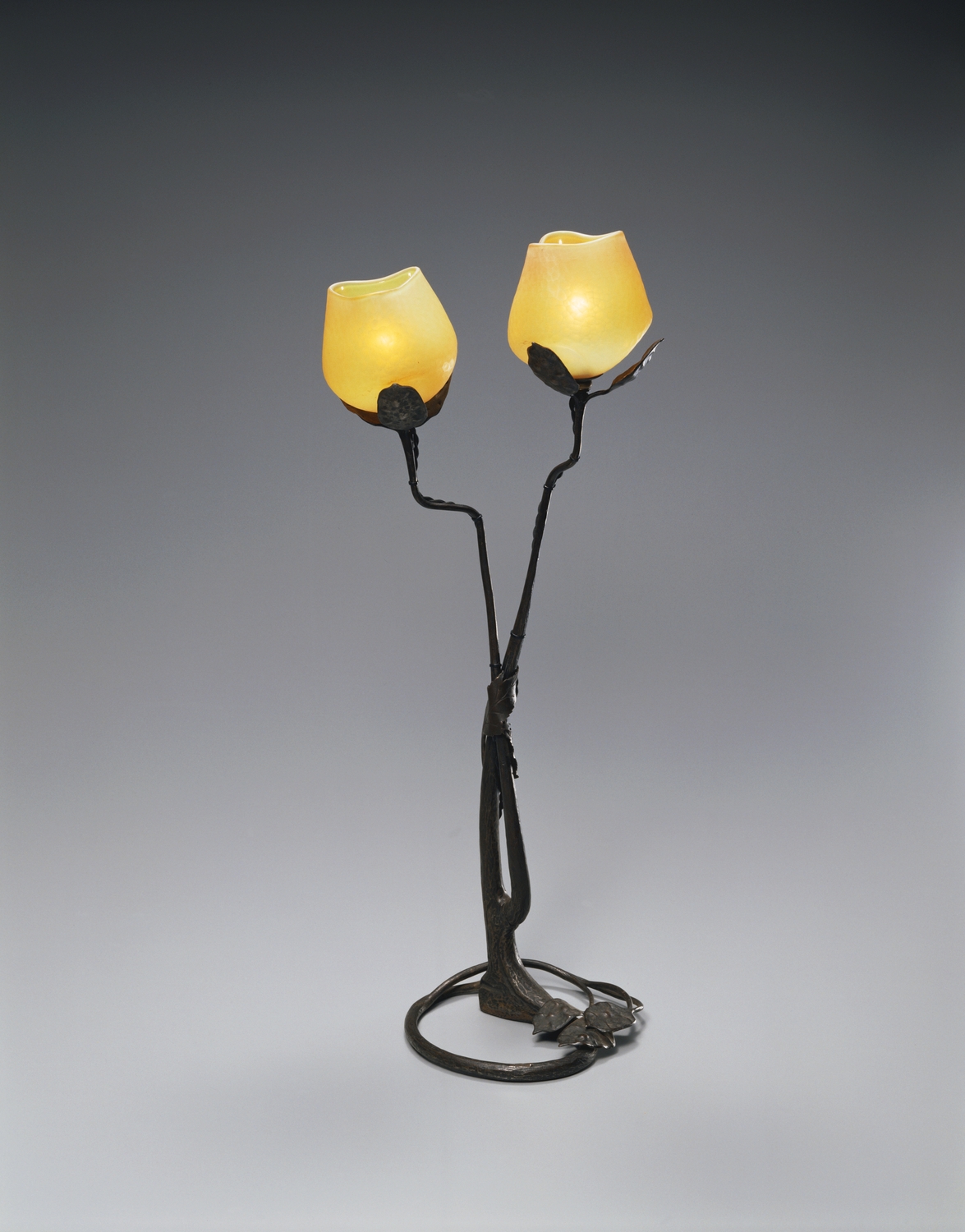
フランス(1903頃)。アブラナ科ルナリア(和名: 銀銭草、大判草)の実をデザイン化した鉄製金具に、黄色いオパール色のガラスのほやを装着している。ルナリアの果実は扁平な楕円形のさやのなかにいくつかの種が入った形状でドライフラワーにすると銀色の光沢を帯びた上品なベージュ色となる。このランプの金具は、そうした特徴を忠実に写している。おそらくドームの協力者だったルイ・マジョレルが手がけたデザインであろう。一方、ドームが製造したガラスのほやは、ルナリアの花とはまったく関係のない抽象化した花のイメージをとどめるに過ぎない。
薔薇文ランプ
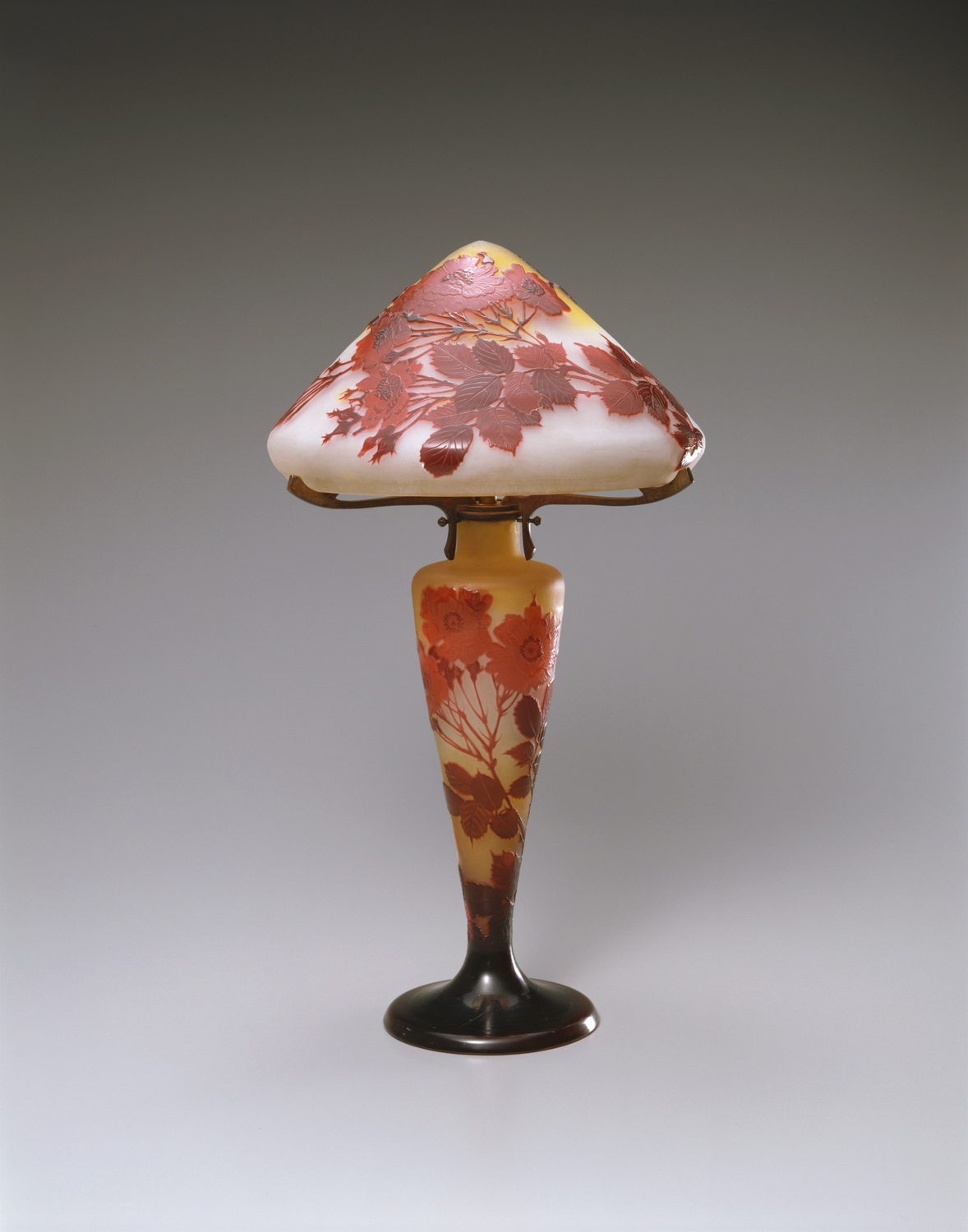
フランス(1902~1931)。オパール色の透明地に赤を被せている。笠は円錐形で薔薇の花と枝はエッチングによるカメオ彫り。三ツ爪付きの金具は真鍮製。非常に類例が多いタイプの作品である。。
ランプ
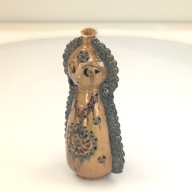
エジプト(20世紀)。着飾った女性の姿をかたどった装飾用のランプ。このような人形はエジプトではアルーサ(花嫁人形)とよばれ、預言者生誕祭に女の子に贈られる砂糖菓子にも見ることができる。(『月刊みんぱく』2016年2月号より)
燭台
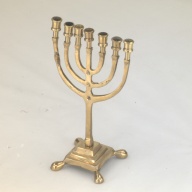
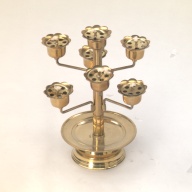
モロッコ(20世紀)。モロッコ都市部の富裕な家庭で用いられていたとされる。黄銅製のろうそく立て(燭台)。このような7つの枝の燭台はメノラーとよばれ、 ユダヤ教の儀礼に用いられる。(『月刊みんぱく』2016年2月号より)
ランタン
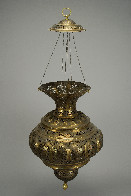
イラン(20世紀)。屋内照明用のランタン。真鍮にほどこされた造形と透かし彫りが美しい。西アジアの家屋は熱暑を避けるために窓や入り口などの採光部が小さく、そのためさまざまな屋内照明具が発達した。(『月刊みんぱく』2016年2月号より)
影絵人形芝居用 ランプ
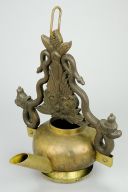
インドネシア。影絵芝居(ワヤン・クリット)の上演用のランプ。やしの油のゆらめく炎が白い布に人形の影をつくり、神々や道化の物語を人びとに見せてくれる。つり手にはナーガ(蛇神)の装飾がほどこされている。(『月刊みんぱく』2016年2月号より)
灯油ランプ
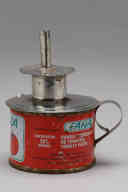
マダガスカル。トマト缶から作られた灯油ランプ。トマト缶は砂糖などを 量り売りする際の計量器としても用いられるが、加工もしやすいため、このランプのようにさまざまな製品に使われている。風よけのガラスはなく安価。(『月刊みんぱく』2016年2月号より)
七星灯用 燭台
マレーシア(20世紀)。関帝(関羽)を祀る家庭用祭壇のセットの一部。
提灯
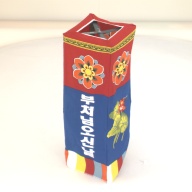
大韓民国(20世紀)。釈迦の誕生日に境内につるす。蓮の花の模様。
シャンデリア
モロッコ(20世紀)。
燭台
メキシコ(20世紀)。
儀礼用 燭台
ペルーの儀礼用燭台。
燭台
インド(20世紀)。金属工芸。
提灯
ドイツ(20世紀)。
ランプ
ハンガリー。
ランプ
アイルランド。
Videos
Institutions and External Links
東京ガスネットワークが運営する、日本のガス事業に関する資料を収蔵・展示する博物館。近代以前の灯火具、ガスランプ、ガス灯が描かれた錦絵などが常時展示されている。
北信濃およびその周辺地域の灯火具(金箱正美灯火具コレクション)を公開する日本初の灯火具専門館として開館。コレクションには、灯火具のほか、引き札や看板などあかりの商工に関するもの、灯火具の描かれた絵画なども含まれる。
灯火の変遷と灯火の工夫をテーマに、灯火具、浮世絵、詩歌など約300点を展示。体験館では、火おこし、ろうそくづくりなど、あかりに関する体験学習が可能。
ガスミュージアムが収蔵するガス器具、明治錦絵を検索できる。明治錦絵の検索では、ガス灯を描いた錦絵をキーワード検索可能。
References
- 関根正直 著,六合館書店
- 内阪素夫 著,東京電気
- 「灯明皿」「灯籠」の項
- 「灯火」「松明」「灯籠」の項
- 「松明」「灯台」の項目