Fox
An animal of the family Canidae. Wild foxes are a familiar presence across Japan, and at the same time, since ancient times, they have been perceived as divine animals and are featured in numerous folk stories, legends, and performing art works.
A carnivore of the family Canidae. Foxes have a body length in the range of 45cm to 90cm, with a tail between 30cm and 55cm long, and body weight between 3kg and 14kg. They have short limbs, an elongated torso, pointed snout, and large triangular ears. Their tails are long and bushy. The secretion from the violet gland located at the base of the tail has a specific odor. Approximately 35 subspecies of foxes are widely distributed across Eurasia and North America. In Japan, the native species in Hokkaido is kita-kitsune (Ezo red fox), and in Honshu, Shikoku and Kyushu it is hondo-gitsune (mainland red fox), both subspecies of the red fox. They have a wide habitat range that includes grasslands, semi-arid areas, and mountain forest areas. Foxes are nocturnal animals, very cautious around people, but sometimes show up near human dwellings. They are omnivorous, and are known to dig holes to store their booty. Usually foxes are solitary, but when they raise their litter, the male fox brings food to the female. Subspecies such the silver fox have a dense lustrous pelt that is used as a material for fur scarves, collars, and coats, and foxes are bred for their fur. Fox hunting is a well-known activity in Europe and the US.
In China, the perceived characteristics of the fox to transform into a cunning creature, a trickster that deceives people, have given birth to numerous legends that were brought to Japan as well. On the other hand, since the Nara period (710 – 794), the fox has been considered a sacred animal, and the white fox in particular was seen as a symbol of good luck. There were customs of fox-worshipping and fortune-telling using foxes. According to some religious beliefs, the fox was a servant to the Ta-no-kami or Inari-no-kami, the Japanese deity of agriculture, so the fox was enshrined in Inari shrines in different provinces across Japan, including Fushimi Inari-taisha, the main Inari shrine in Kyoto. Fox mounds are believed to be vestiges of a custom to worship the fox as a deity of rice harvest. There was also a custom typical for the cold winter months, when feed was hard to come by, to pray and place offerings of deep-fried tofu, festive red rice, dried sardines, etc., into foxholes. This belief in the divinity of foxes was linked with the teachings of Buddhism and specifically Shingon Esoteric Buddhism, and thus spread further. Also, various narratives and superstitions were born, such as the kitsunebi (atmospheric ghost lights), kitsune-no-yomeiri (a term that refers to various phenomena, such as atmospheric ghost lights and sun showers), and kitsune-tsuki (the state of being possessed by a fox spirit). There are also numerous stories about foxes transforming into humans, for instance the legends about kitsune nyobo or foxes that change into beautiful women to marry humans. With these diverse characteristics, the fox is frequently featured in otogi-zoshi (fairy tales), rakugo (comic stories told by professional storytellers), and stage performing arts such as kyogen (traditional comic theatre), ningyo-joruri (puppet theatre), and kabuki (classical form of Japanese dance drama). The fox is also a ubiquitous presence in the daily lives of Japanese people, through objects such as the deep-fried tofu (also known as kitsune), numerous proverbs that use foxes as a metaphor for liars and cunning people, and plants such as kitsune azami (fox thistle).
Related People, Things and Events
The Inari Belief
Inari, the deity of rice who watches over successful harvests, is often associated with foxes, the messengers of the deity. The head branch of the Inari Shrine is the Fushimi Inari Taisha in Kyoto.
Hatsuuma
An Inari Shrine holiday; Fushimi Inari Shrine in Kyoto has been crowded with worshipers from ancient times, and from there this holiday spread across the country during the Edo period (1603-1867)
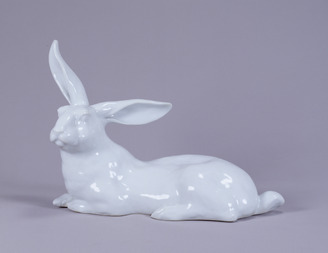
Rabbit (Usagi)
A familiar animal depicted in myths and stories since ancient times
Monkey
Since ancient times, worshipped as mountain deities and umayagami (horse guardians, lit. “stable gods”); the Japanese macaque (nihon-zaru) is indigenous to Japan
Books
日本書紀 斉明天皇3年9月
万葉集 巻16「長忌寸意吉麻呂歌八首」
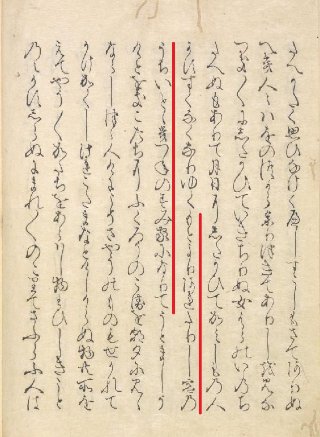
源氏物語 蓬生
狐媚記
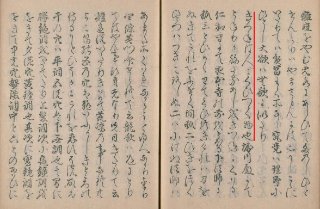
徒然草 218段「きつねは人にくひつく物也」
御伽草子 きつねの草子
御伽草子 玉もの前
Picture Scroll of Kyogen
御伽草子 こわたきつね
伊曽保物語 中・第35「狐と鶏」
浄瑠璃 芦屋道満大内鑑
浄瑠璃 義経千本桜 四段目「狐の前」外題
読本・白狐伝
合巻・三国妖狐殺生石
柳田國男 孤猿随筆
Related Works
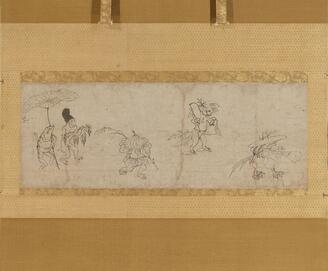
鳥獣戯画断簡 経を読む狐
親狐にすがる子狐、経を読む狐、尾から火を出して的を照らす狐など狐6態を描く。京都高山寺所蔵の鳥獣人物戯画(国宝)から分かれ、掛幅装となった断簡。2017年に重要文化財に指定。
能面 泥小飛出 霊狐のお面
室町時代、15‐16世紀。身軽ですばしこい神体や鬼畜を表わす能面で、稲荷明神の化身である霊狐などに用いる。瞼がなく、耳があるので猿飛出に似ているが、表面は金泥塗りなので小飛出の変わり型だろう。耳の上部が尖り、えらが張る点に特徴がある。
荼吉尼天像 白狐に乗る鬼神
室町時代、16世紀。画面中央で、白い狐に乗っているのが荼吉尼天(だきにてん)。正面が象、左右に天女、合わせて3つの顔と12本の腕、背中には大きな翼をもつ。荼吉尼天は、もとはインドのヒンドゥー教の女神。人の死を半年前に知り、死の直後に心臓をとって食べるという。
桑村克久作 稲荷社図鐔
鐔に尾長の狐が描かれる。江戸時代、18世紀。四分一地、象嵌。桑村克久(1694 ‐ ?)は江戸時代中期の装剣金工。後藤派の流れをくみ、桑村彫を創始し、象眼を得意とした。
木造荼吉尼天騎狐像
青森県下北郡東通村蒲野沢字村中、法林寺所蔵。 狐に乗っているのが荼吉尼天(だきにてん)。荼吉尼天はもとはインドのヒンドゥー教の女神。狐に乗った姿は日本独自のものとされ、古来からある稲荷信仰と結びついた。江戸時代の作。
一筆斎文調 山下京之助のうしろ面
錦絵初期の可憐な役者絵。明和6年(1769)。重要美術品。狂言の「釣狐」を所作化した舞踊を描く。桜の花の散る野辺に、鉦(かね)を手にした狐の化身が現れる場面。「うしろ面」は、頭の後ろに仮面をつけて前後で二役を演じるもので、本図では、衣装も前後で替え、僧の姿と狐を暗示するものになっている。
喜多川歌麿 狐の戯画
寛政4年(1792)。喜多川歌麿(1753 – 1806)は江戸時代の浮世絵師。 なお歌麿には「狐釣之図」がある。
長井蘭亭 狐忠信牙彫根付
江戸時代、18世紀。京都の根付師長井蘭亭による根付。 「狐忠信」は、浄瑠璃「義経千本桜」四段目の登場人物。静御前のもつ初音の鼓の皮となった親狐を慕う子狐が佐藤忠信に化けて静御前を守り、最後には正体を現して義経の危難を救う。
葛飾北斎 万物絵本大全図「狐 阿紫」
葛飾北斎の『万物絵本大全図』に描かれた狐の図。『万物絵本大全図』は、北斎の未刊原稿で、中国やインドなど海外を含む森羅万象を描く103枚の図譜の下絵。2019年新たに発見され、大英博物館の所蔵となった。1820年代後半の作とされる。
照魔鏡 九尾の狐
色紙判、刷物。左下に春川五七写と記す。五七(ごしち、1776 ‐ 1831)は、江戸時代後期の浮世絵師、戯作者。画中人名は鶴廼屋。
「名所江戸百景」 「王子装束ゑの木大晦日の狐火」
歌川広重(1797 – 1858)は江戸時代の浮世絵師。安政4年(1857)作か。浮世絵の版元は、下谷の魚栄こと魚屋栄吉(うおやえいきち、生没年未詳)。 東京都北区王子の稲荷神社の近くにあった装束榎(しょうぞくえのき)には、大晦日の晩に関八州の狐が集い、無数の狐火が飛んだという。里人はその動きで翌年の豊作の吉凶を占ったと伝えられる。
歌川国芳 「三国妖狐図会」萃陽夫人老狐の本形を顕し東天に飛去る
歌川国芳(くによし、1798 - 1861)は江戸時代末期の浮世絵師。 国芳は、岡田玉山作・画の『絵本玉藻譚』を参考に「三国妖狐図会」という九尾の狐の物語を題材としたシリーズ物の浮世絵を制作している。
Fox Riding a Horse
狐が馬に乗る図柄は、「狐を馬に乗せたよう」の慣用句などから、落ち着きのないこと、信用がおけないことなどをあらわすともされる。村瀬太乙(1804 ‐ 81)は、美濃国の人。別号は梅園、放屁先生など。 頼山陽の内弟子となり、儒学、書画を学ぶ。淡墨による独特の作風をみせる。
歌川芳廉 大坂きつねけん
狐拳はジャンケンの一種。狐は猟師に鉄砲で撃たれ、猟師は庄屋に頭が上がらず、庄屋は狐に化かされる、という三すくみの関係を、ポーズをとって勝負する。負けると罰として酒を呑まされた。
Wedding Procession of Foxes
青木蒲堂(ほどう、1810 ‐ 72)。日本画、明治1年(1868)制作。
森二鳳 稲荷狐図
森二鳳(じほう、1818 ‐ 91)は江戸時代後期から明治時代にかけての日本画家。森一鳳(いっぽう)の養子で、円山派の画法を学ぶ。
歌川豊国 佐藤忠のぶ 中村歌右衛門
文化5年(1808)5月、江戸中村座で狐忠信を演ずる3代目中村歌右衛門(1778―1838)。歌川豊国画。狐忠信は、義経千本桜「河連法眼館の場」に登場する子狐の化身。静御前の持つ初音の鼓の皮となった親狐を慕って佐藤忠信に化け、最後に正体をあらわして義経の危難を救う。
歌川国貞 葛の葉狐 中村芝翫
大判錦絵。三代目歌川豊国こと歌川国貞(1786 - 1865)画。文久元年(1861)刊。葛の葉狐(くずのはぎつね)は、葛の葉、信太妻(しのだづま)ともいう伝説上の狐の名。この狐を主人公とする人形浄瑠璃・歌舞伎の『蘆屋道満大内鑑』の通称でもある。葛の葉狐を演じるのは4代目中村芝翫(1830-1899)。
楊洲周延 「本朝二十四孝 狐火」
『本朝二十四孝』の「奥庭狐火」の場。諏訪明神の白狐の助けをかりた八重垣姫が凍った諏訪湖を渡る。楊洲周延(ようしゅうちかのぶ、1838 - 1912)は江戸時代末期から明治時代にかけての浮世絵師。
Videos
竹ン芸 狐の面を被った白装束姿の芸能
長崎県長崎市の若宮稲荷神社では、毎年10月14日、15日に秋の大祭「竹ン芸」がわれる。高さ10メートルの2本の竹の上で狐の面を被った白装束姿の二人が、お囃子に合わせて妙技を演じます。およそ200年前から伝わる伝統芸能で、国の選択無形民俗文化財に指定されています。2007年取材。
大雪山系 ニペソツ山 キタキツネの生息する場
副題「ナキウサギとキタキツネ 厳しい冬の訪れ」。北海道中央部、大雪山(たいせつさん)系の東側、標高2013mのニペソツ山。ここに住むナキウサギは氷河期の生き残りといわれ、日本では北海道だけに生息するウサギの仲間です。10月上旬、ナキウサギが暮らす岩場も一面の雪景色です。風と雪が吹きつける厳しい冬が訪れます。2007年放送。
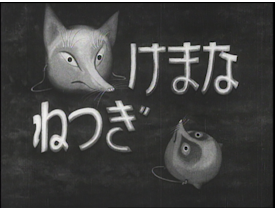
The Lazy Fox
勤勉貯蓄がテーマの教訓物語ながら、キツネがトラックに変身したり、タヌキが雪をスノーモービルや高射砲に変えたり、飛行機による空中戦など、アニメーションならではの見どころがいっぱい。1941年、山本早苗。制作文部省、配給映畫教育中央會。


Past Exhibitions
| Title | shusai | Place | open | close |
|---|---|---|---|---|
Institutions and External Links
- 国際日本文化研究センター 怪異・妖怪伝承データベース
怪異・妖怪伝承データベースで、キツネ、キツネビ(狐火)、キツネツキ(狐憑き)、イヅナ(飯綱、飯縄、狐の妖怪、妖術師)などを検索すると、文献の具体的な要点、内容の要約などが紹介されている。
References
- 『世界大百科事典』(japanknowledge) 「狐」の項
- 『日本大百科全書』(japanknowledge) 「狐」の項
- 『日本国語大辞典』(japanknowledge) 「狐」の項
- 日本歴史大事典小学館
- 狐 : 陰陽五行と稲荷信仰 吉野裕子著,法政大学出版局,吉野, 裕子(1916-)||ヨシノ, ヒロコ <AU00257599> 著
- japanKnowledge 所収コンテンツの最終アクセス日は、いずれも2023/2/10。