
Kitaoji Rosanjin
Japanese ceramicist. A man of many talents, Kitaoji studied calligraphy and seal cutting and was an active painter and cook, as well as a renowned epicure.
1883-1959
Ceramicist. Calligrapher. Seal cutter. Born Kitaoji Fusajiro, on March 23, 1883, in Kyoto, as the younger son of Kitaoji Kyoaya, head priest of Kamigamo Shrine. His father died before his birth. Placed in foster care at a young age, Kitaoji was adopted at the age of 10 by the woodblock engraver Fukuda Takezo. After graduating from primary school, he worked as an apprentice at a Chinese herbalist in Kyoto, then went to work helping his adoptive father with his occupation as a painter of western signboards. Kitaoji’s interest in calligraphy deepened once he began entering single-character calligraphy prize competitions organized by shrines, temples, and shops.
Kitaoji moved to Tokyo in 1903. In November of the following year, he exhibited his reisho (scribe’s script) calligraphy, titled “Senjimon,” at the Japan Art Exhibition, where he was awarded first prize. From here, emerging as a calligrapher with outstanding skills, he studied under the auspices of calligrapher Okamoto Katei (grandfather of Okamoto Taro). In 1907, at the age of 24, he struck out on his own under the name Fukuda Outei. In 1910, he traveled to Keijo, Korea, to study calligraphy and seal cutting while working at the Japan-administered Printing Bureau there. He also met with Goshoseki in Shanghai. After returning to Japan, he took the name Fukuda Taikan and spent several years moving from place to place — Tokyo, Kyoto, Nagahama, Kanazawa — deepening his contacts with literary figures and men of refined taste. He produced a large number of nuregaku (engraved outdoor signboards) for well-known historical shops and inns and engraved signature seals for Takeuchi Seiho, Kawai Gyokudo, and others, all of which were highly acclaimed. Kitaoji also studied ceramics with Suda Seika and developed a deep interest in culinary exploration.
In 1916, he took the name of his biological family, becoming Kitaoji Fusajiro, and it was at this point that he began to call himself Kitaoji Rokei. In 1919, he opened the Taiga-do Art Gallery of Antiques (later, renamed Taiga-do Art Store). The Bishoku Club (gastronomy club) was set up in the art shop, serving food to visitors and proving quite popular. In 1925, Kitaoji also opened Hoshigaoka Saryo, a prestigious, members-only restaurant in Akasaka Sannodai. Taking on the roles of adviser and head chef, he crafted both the food and the tableware to great success. In 1927, he had the Hoshigaoka kiln built in Kitakamakura to fire the tableware for his restaurant, becoming a serious ceramic artist and frequently holding exhibitions of his work. Dismissed from the restaurant in 1936 for managerial reasons, Kitaoji thereafter concentrated on crafting ceramics at his Hoshigaoka kiln and dabbled in Japanese painting, lacquer, painting, and other arts.
In 1954, he toured the U.S. and Europe, holding solo exhibitions, giving lectures, and gaining international fame. He died on December 21, 1959.
Related People, Things and Events
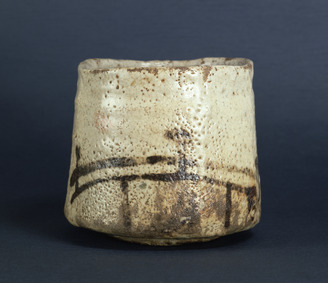
Tea ceremony ware (1): Seto ware, Mino ware
Seto and Mino tea ware
Tea ceremony ware (2): Raku ware, Bizen ware, Shigaraki ware, Iga ware
Raku, Bizen, Shigaraki, and Iga tea ware
Tea ceremony ware (3): Karatsu ware, Hagi ware, Satsuma ware, Takatori ware, Kyo ware
Karatsu, Hagi, Satsuma, Takatori, and Kyo tea ware
Tea Ceremony Utensils
Items used to perform the tea ceremony. In the tearoom, participants appreciate both the function and beauty of these utensils
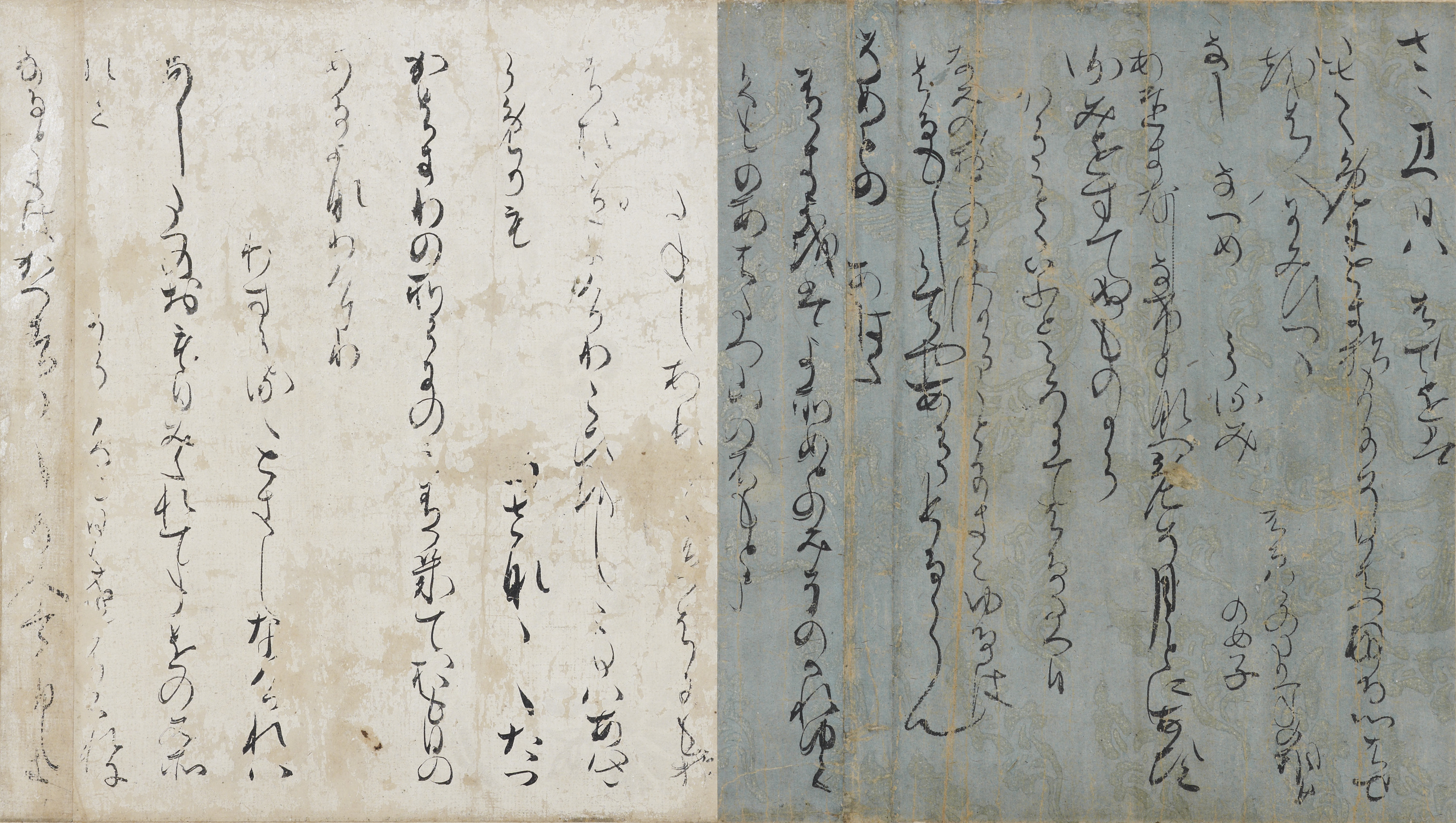
Japanese calligraphy
A type of written art that originated in China and was nurtured and developed in the context of Japanese culture
Books
魯山人作印章「雅俗山荘珍賞」 (『雅俗山荘漫筆 第二』)
北大路魯卿 『常用漢字三体習字帳』
北大路家蒐蔵古陶磁展観図録
星岡茶寮 『輝く日本』伸び行く大阪
Tracing the chronology of Rosanjin’s names through books
福田大観 『京都ダィレクトリー』 大正4年
北大路魯卿 『栖鳳印存』広告(官報 大正10年06月01日 2649所収)
北大路魯卿 『常用漢字三体習字帳』大正13年
北大路房次郎 『職業別電話名簿』(東京・横浜近県)大正15年。
もっと知りたい
北大路魯山人書簡 牧野伸顕宛
上加茂社家町の図
明治4年5月7日 「仕人北大路清操印鑑遺失ニ付謹慎」
北大路魯山人肖像
北大路魯山人肖像

呉昌碩書扁額「道徳文章」

須田菁華作 色絵古九谷写徳利
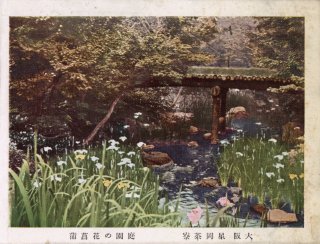
絵葉書
Hoshigaoka kiln
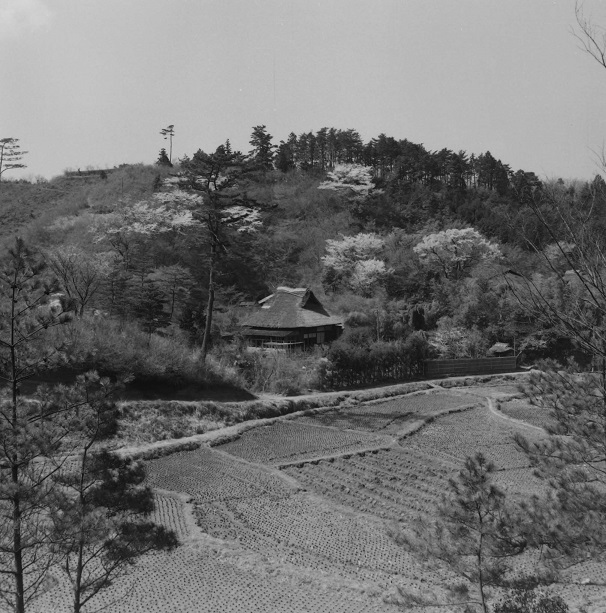
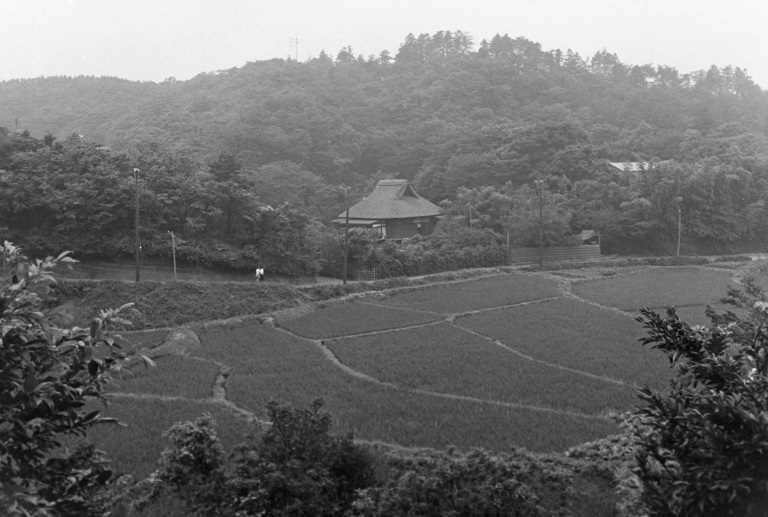
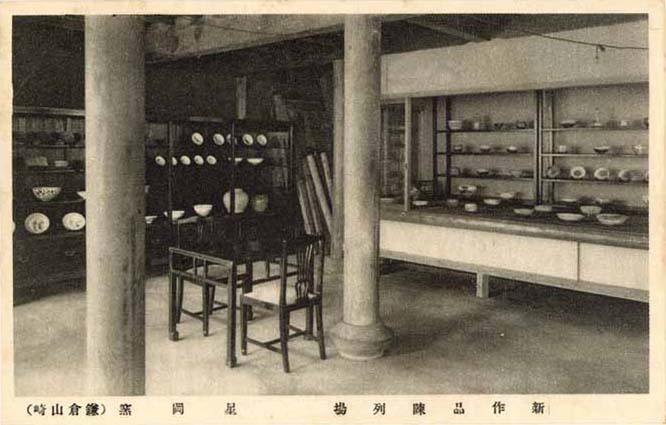
参考館は昭和2年(1927)に星岡窯の山寄りの奥の方に建てられた。魯山人が蒐集したの多くの陶磁器がガラスケースに入れられ、赤絵は赤絵、染付は染付、唐津は唐津というように陳列されていた。
Past Exhibitions
| Title | shusai | Place | open | close |
|---|---|---|---|---|
Rosanjin ceramics
鉢
Vases and flower arrangements
Tableware, etc.
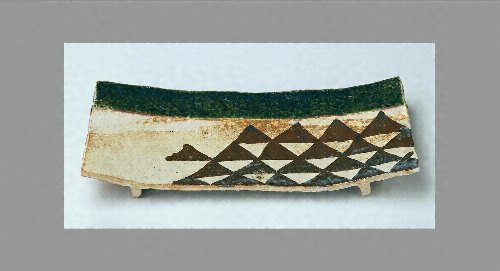
織部焼の脚付き板皿は作者の特徴を最もよく伝えると言われる作風の一つ。本作では緑釉の帯と鉄絵による三角形の鱗模様が海浜の風情を思い起こさせる。この形の皿は焼き魚、刺身や鮨、前菜など様々な料理の盛り付けに重宝で、作陶から饗膳まで一貫した美を追求した作者の姿勢が感じられる。
Bowls
Other
見に行く
External Links
- 足立美術館
島根県の美術館。約400点の魯山人コレクションを所蔵。2020年に開館した「魯山人館」では、120点以上の作品が常時展示されている。庭園の美しさでも知られる。
- 宮島北大路魯山人美術館
2000点以上の所蔵作品のうち常時600点以上を常時展示する。
- 何必館・京都現代美術館
日本有数と言われる魯山人コレクションを所蔵している。
- 魯山人寓居跡 いろは草庵
大正4年秋から翌年春までの約半年間、魯山人は山代温泉に滞在し、菁華窯などの刻字看板を彫った。 「いろは草庵」は、その寓居を当時そのままに公開するしている。 仕事場や書斎、囲炉裏の間が見学できるほか、土蔵を改装した展示室では作品も展示している。
References
- 山田和 著,文藝春秋