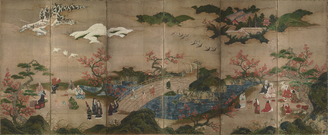
紅葉
紅葉がきれいな季節なので、紅葉にちなんだものを集めてみました。
絵画
浮世絵
装身具
着物
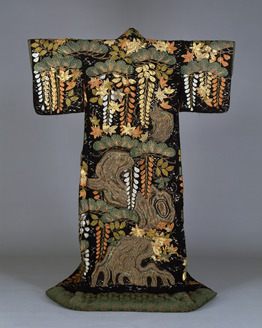
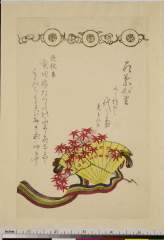
<p>This garment, called a kosode, or “small sleeve,” for its small wrist openings, became the model for the modern kimono. Its motifs of curtains and autumn foliage make use of indigo for a striking contrast with the orange ground. Long curtains like those pictured were made of many joined pieces of cloth and used to enclose areas. In combination with autumn leaves, they evoke the chapter “An Autumn Excursion” from the Heian-period (794–1192) novel The Tale of Genji. Basing clothing designs on a work of literature is characteristic of Japanese artistic expression.<br /><br />The curtains are decorated with auspicious overlapping circles, scale-like waves, and other traditional patterns that were used at the imperial court since ancient times. The detailed patterns on the curtains and autumn leaves were created using a dyeing technique called yūzen. In yūzen dyeing, the outlines of patterns are drawn using fine lines of paste. Colored dyes are then brushed onto the fabric so that the dye stays within the paste outlines to create pictorial designs. Even flower petals are depicted with colorful gradations. The front and back of the garment form a single continuous pattern. It was likely designed to be displayed as well as worn.<br /><br />This garment is thought to have been worn by a wealthy townswoman. The design on the sleeves cuts off partway, suggesting that it was originally a long-sleeved garment for an unmarried woman and that the sleeves were cut short after her marriage.</p><br /><p>The design of this kimono was hugely popular in the latter half of the Edo period (1603–1868). Featuring curtains with fall foliage, it is based on the chapter titled An Autumn Excursion from the 11th-century Japanese literary masterpiece, [The Tale of Genji].<br /></p>
<p>This traditional Ryukyuan robe features stencil-dyed motifs in vibrant colors. Pines and plum blossoms are auspicious motifs, while the maple leaf motif originated in mainland Japan. Made of lightweight ramie cloth with wide sleeve openings, this unlined robe would have been ideal in a hot climate.</p>
<p>Kosode are predecessors of modern-day Japanese kimono. The name kosode, which means small sleeve, derives from the small wrist openings of the garments. The adorable colors and opulent designs may seem suited to a young woman, but this type of short-sleeved kosode was worn by married women. Perhaps a young wife once wore this.<br /><br />Spring cherry blossoms and autumnal leaves spill out from dancing flower baskets, making this a suitable design for both seasons.<br /><br />The baskets use a traditional Japanese dyeing method called yuzen-zome. This technique allows for patterns to be laid out freely in a picturesque manner. Take a closer look at the thin, white contour lines. Glue was applied to these sections, so the ground beneath remains undyed. The glue lines served to prevent overspills when coloring the individual designs with a brush. This was an extremely meticulous process. The glossy reds and golds of the strings are rendered using embroidery.</p><br /><p>This lavishly decorated kimono features flowers and autumn leaves in flower baskets. This design was realized using a distinctively Japanese technique known as [yūzen], a kind of paste-resist dyeing. With this technique, the artisan skillfully achieved subtle gradations in the design's colors, which make it resemble a painting.<br /><br /></p>
<p>Kosode is the name given to garments with small wrist openings. At first glance, this kosode strikes an audacious tone with its bold design of large diagonals slicing across the cloth. Tie-dyeing is used to divide the garment into wide segments, with the dyed part overlaid with finely-embroidered designs. This style is characteristic of Keicho-era kosode. Intricate motifs are embroidered into the black segments. All this makes a striking impression, but a closer look reveals a more delicate, endearing aspect. One feature of this kosode is its varied seasonal patterns. Young pines are an auspicious symbol of the New Year, for example, while the black and white floral patterns are suggestive of spring. The deer in autumn leaves motif, meanwhile, is a common theme of waka poetry and is also found in the design of Japanese playing cards. This was probably a garment for special occasions, whatever the season. These seasonal motifs and the geometrical patterns based on waka poetry are distinctive features of Japanese design. This kosode can be enjoyed from different perspectives, both up close and from a distance.</p><br /><p>Small autumn leaves and adorable deer decorate this colorful kimono. Such a design was based on a [waka] poem about Mount Mikasa in Nara. Notably, the entire surface of the kimono is covered with embroidery and tie-dyeing, making this an example of a groundless kimono.<br /></p>
<p>Kosode are predecessors of the modern-day Japanese kimono. The name kosode derives from the small wrist openings of the garments. This kosode features a design of autumn leaves and straw hats on a lustrous white satin ground.<br /><br />The combination of straw hats and autumn leaves is a popular design in Japan even today. These motifs derive from a waka poem in the Collection of Poems Ancient and Modern, an ancient Japanese poetry anthology. <br /><br />The straw hats and autumn leaves are rendered in embroidery and suribitta, a technique that involves rubbing stencil-dyed patterns onto cloth. This recreates the unevenness of a garment's surface in a manner very similar to tie dyeing. Tie dyeing was banned by the samurai government owing to its apparent gaudiness, so the suribitta technique was used instead.<br /><br />The use of literary elements from waka poetry and the flamboyant arrangement of designs across the whole garment are both characteristic features of kosode from the Genroku era, a period from 1688 to 1703 when elegant courtly tastes were in fashion.</p><br /><p>When it rains / the autumn leaves on Mount Kasatori / are reflected even / on the sleeves of those / passing by. The design of this kimono was likely inspired by this poem from the [Collection of Japanese Poems Ancient and Modern], a collection of classical Japanese poetry. Designs like this were popular in the late 1600s.<br /></p>
吉田家よりご寄贈いただいた着物は全部で九点である。これらの着物は全て、和裁を教えていた包春の妻愛子が仕立て、包春が正倉院文様を描いたものである。「羽二重緑地桔梗文裾模様 正倉院山水絵図密陀絵盆文様(No.48)」は、「密陀絵盆 山水絵図(No.13)」や「密陀絵盆之図屏風(No.21)」と同様に、包春が好んで用いた図柄である。また、「絽紺地裾暈し単 千鳥・撫子・女郎花文(No.45)」には、包春手書きの和歌が鏤められている。
印籠
<p>These kind of cases were suspended from the sash of one's garment. They were used not only to store medicines, but also functioned as fashion accessories. (20170418_h101)<br /></p>
昔形4段の印籠で、黒蝋色塗地に研出蒔絵で岩に紅葉を表す。段内部は朱漆塗。底部左下に作銘。徳島藩主所用品には観松斎銘が入れられるため、小大名クラスの注文品とみられる。
江戸形5段の印籠で、金粉溜地に高蒔絵で桜と紅葉の山水を片面ずつ表す。段内部は刑部梨子地。底部に蒔絵銘。梶川や松花斎在銘の作品に同意匠のものがしばしばあり、梶川一門に共通の画題であったとみられる。
常形3段の印籠で、金梨子地に高蒔絵と金貝の極付で紅葉に幔幕を表す。段内部は金梨子地。底部右下に作銘。
食器
皿
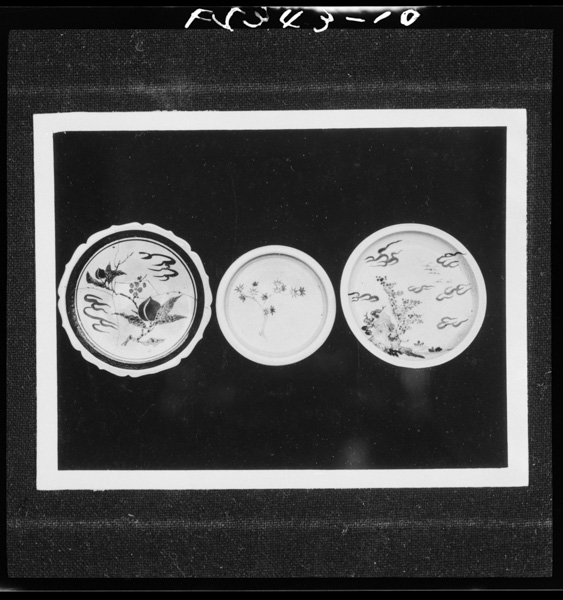
<p>轆轤成形により、高台を高めに作り、腰から口縁にかけて曲線を描いて立ち上がり、木盃形とする。見込には、墨弾きの技法と呉須の濃淡により流水文をあらわし、その波間に散り落ちるような紅葉文を、赤色の線描きと、内側を赤・薄赤・黄・緑色の上絵具で塗込めて描く。側面には、呉須で七宝文を三方に描き、高台は櫛高台とする。本作品は5枚揃いで、いずれも均一に文様が施されているため、仲立ち紙を用いて下書きを転写したと考えられる。<br />巧みな文様表現が示す技術力の高さは隆盛期の鍋島焼のものであり、色鍋島あることからも、染付磁器が生産の主流となった徳川吉宗の治世以前と作品と考えられる。5枚揃いで伝世した点も貴重である。</p>
<p>Featuring traditional motifs and decorative gold paint, this work was purchased at Japan's first National Industrial Exhibition in 1877. From the inscription, it was likely made by Tsuji Katsuzō, who founded the ceramics company Kōransha in 1875.</p>
お盆
廿日市市は広島県の西、瀬戸内海に面しています。世界遺産の厳島神社が鎮座しています。名物・もみじ饅頭は、1906年に宮島の旅館が菓子職人に依頼して作ったことが始まりとされています。もう一つの名物が、宮島近くで獲れるあなごを用いたあなごめしです。明治時代から宮島名物の駅弁としても、親しまれてきました。各店秘伝のタレを使い、味を競っています。木材の集積地でもある廿日市市では、けん玉が初めて作られたと言われています。<br><br>(この動画は、2007年に取材したものです。)
紅葉狩り
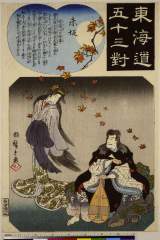
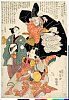
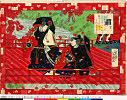
<p>平安時代末期の武将・平維茂<たいらのこれもち>は、狩のために入った戸隠山<とがくしやま>で、女性たちに酒宴に誘われます。酒に酔いうたた寝をすると、女性が本性を現し鬼に変じますが、維茂がこれを退治するという伝説。謡曲「紅葉狩」で知られます。本図は、川面に本性を現した鬼女の姿です。<br /></p>
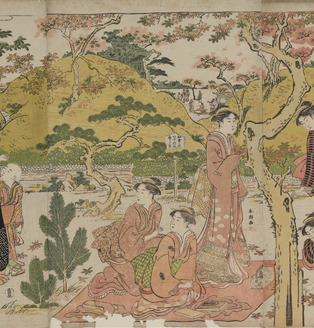
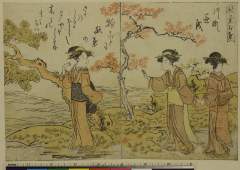
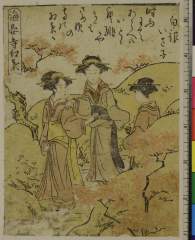
<p>In this print, a man and several women enjoy the sight of the autumn leaves at Kaianji Temple in present-day Shinagawa City, Tokyo. Small figures in the background create an enhanced sense of perspective. The artist Shunchō was renowned for his prints of slender, beautiful women, which he produced in the style of Torii Kiyonaga (1752–1815).<br /></p>
二帖一組の肉筆画帖。
1899(明治32)年、歌舞伎座の「紅葉狩」上演にあわせて、九代目市川団十郎、五代目尾上菊五郎の至芸を記録した、現存最古の日本映画。平維茂(たいらのこれもち)が信州戸隠山(とがくしやま)で出会った更科姫(さらしなひめ、その正体は鬼女)を退治する。撮影は、当時のフィルムの感度や照明技術の問題から、実際の舞台ではなく屋外に即製の舞台を組んで行われた。映画史家の田中純一郎によれば、フィルムを実見した演劇評論家の安藤鶴夫氏は「“ああ、ああ、団十郎が、菊五郎が生きている、動いている、こんな不思議があってよいものか”と[…]映画の功徳を今更のように讃えていた」(田中純一郎『日本映画史発掘』[冬樹社、1980年])という。冒頭のタイトルは後年、日活が加えたもので「歌舞伎十八番」は「新歌舞伎十八番」、「風の神」は「山神」の誤りがみられる。日活株式会社から寄贈された35㎜可燃性デュープネガは2009年、映画としては初の重要文化財に指定された。
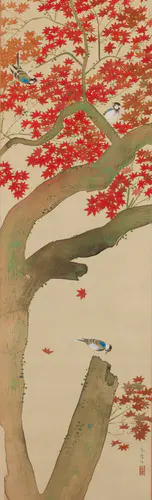
鮮やかな紅葉の中で3羽のシジュウカラと思われる小禽が戯れている。紅葉した葉はそれぞれ赤の色合いに細心の注意を払い彩色されている。一番左に描かれた小禽の首を上げる姿は自身が第11回文展に出品した《春禽趁晴図》(所蔵先不明)の中にも見ることができる。紅葉の葉や幹に輪郭線はなく、隈取りの技法を上手く使い、見事に表現している。落款・印章から、制作は渡欧から帰国した直後の大正10年(1921)頃から昭和初期にかけてと推測される。麦僊は渡欧を通して、改めて日本美術の奥深さや美しさを再考することができたという。それは本作のような日本画特有のぼかしの効果を駆使したような作品からも窺え、新鮮な気持ちで、日本画の制作を楽しんでいるようにも感じられる。


春草が挑戦した革新的な描法である「朦朧体」は、色面のぼかしを多用するという特質から光の拡散や湿潤な空気といったものを表現するには適していたため、朝夕の情景や水辺の情景が好んで取り上げられた。しかしその一方で、例えば大きな岩の立体感や実在感を表現するには必ずしも適していなかった。彼はその弱点克服のための一つの工夫として、点描風の筆触を用いることを試みるようになった。この作品はその代表的な作例といえるもので、滝壷の波立つ水面の様は朦朧体の特徴であるぼかしを用いて表現し、滝が落ちる大きな岩肌は細かな筆触と墨の濃淡を巧みに重ねて、岩壁の立体感や実在感を表現している。そこに紅葉した樹を入念に描いて、確かな秋の風景を描き出すことに成功している。春草が完成させた絵画表現の一端を示す重要な作例である。
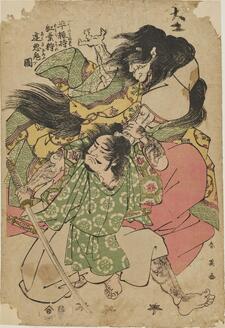
<p>平安時代末期の武将・平維茂<たいらのこれもち>は、狩のために入った戸隠山<とがくしやま>で、女性たちに酒宴に誘われます。酒に酔いうたた寝をすると、女性が本性を現し鬼に変じますが、維茂がこれを退治するという伝説。謡曲「紅葉狩」で知られます。本図は、川面に本性を現した鬼女の姿です。<br /></p>
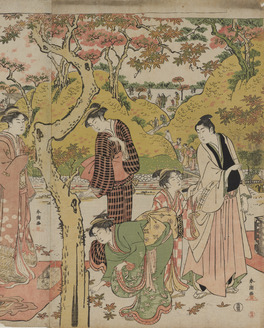

<p>In this print, a man and several women enjoy the sight of the autumn leaves at Kaianji Temple in present-day Shinagawa City, Tokyo. Small figures in the background create an enhanced sense of perspective. The artist Shunchō was renowned for his prints of slender, beautiful women, which he produced in the style of Torii Kiyonaga (1752–1815).<br /></p>
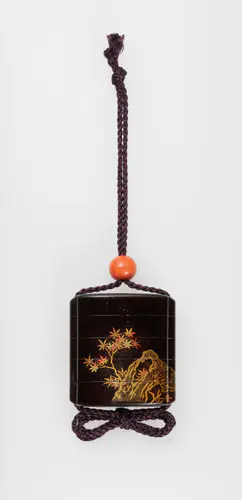
昔形4段の印籠で、黒蝋色塗地に研出蒔絵で岩に紅葉を表す。段内部は朱漆塗。底部左下に作銘。徳島藩主所用品には観松斎銘が入れられるため、小大名クラスの注文品とみられる。
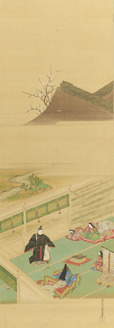
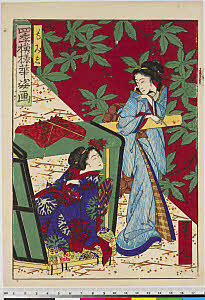
<p>右幅は雛遊びに熱中する紫の上と源氏の姿を描く第7帖〈紅葉賀【もみじのが】〉。左幅は源氏が造営した六条院で、秋の対に住む秋好中宮【あきこのむちゅうぐう】が、庭先の色とりどりの紅葉を女童【めのわらわ】に持たせ、春の対に住む紫の上に贈る場面を描く第21帖〈乙女(少女)〉。住吉家と板谷家の共作。<br /></p>

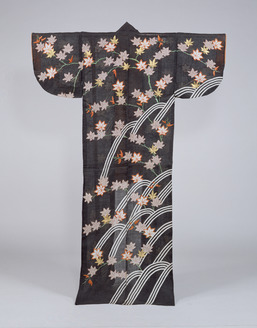
<p>Maple leaves are contrasted with arching lines of flowing water. This composition is a reference to the Tatsuta river in Nara, long-celebrated for its beautiful autumn foliage.<br /></p><br /><p>Katabira are ramie summer garments made without lining. Though made of ramie, this garment is woven with thin, high-quality threads, so it feels smooth to the skin rather than coarse and bristly. It must have felt comfortable to wear during Japan's hot and humid summers.<br />This garment features a design of autumn leaves in vivid colors on a black ground. Some leaves are embroidered in silk threads while others are rendered with stencils to create dots that resemble tie-dyed patterns. The white curved lines between the leaves represent flowing water, which, combined with the autumn leaves, brings to mind Tatsutagawa, a celebrated river that has featured in many Japanese poems. Tatsutagawa runs through the Mount Ikoma area in Nara prefecture and it has long been a famous place to view autumn leaves. The contrast between the simplified, jaunty flowing water and the graceful autumn leaves creates a strong impression.<br />The cut-off patterns on the sleeves suggest this was originally a long-sleeved garment called a furisode, the sleeves of which were later shortened. The sophisticated design filled with literary allusions also suggests it was worn by a high-ranking lady from a military family.<br />Flowing water and autumn leaves may seem a strange combination for a summer garment made of ramie, but the leaves conjure up images of the autumn season to come, while flowing water exudes a sense of refreshing coolness. In an era without air conditioners, this design probably provided a visual respite from the heat and humidity.</p>
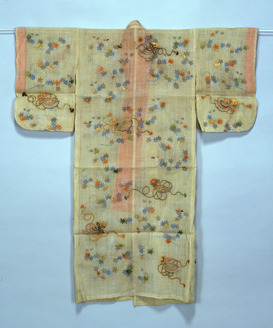
<p>This kimono was made for a small baby on their first ever visit to a shrine. It features a design of autumn leaves and hats known as [tori-kabuto], which were worn for a Japanese courtly dance. Such a design suggests that a girl from a samurai family wore it late in the Edo period (1603–1868).<br /></p>
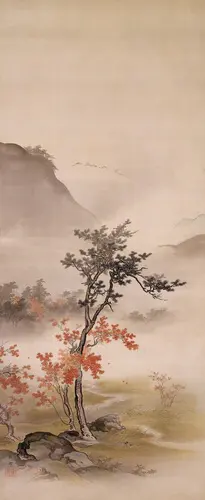
双幅の右側に雉が飛ぶ桜花爛漫の春の野辺を描き、左側に紅葉舞い散る秋の景観とかなたに雁の群れを望む。木々の幹や岩の描写には、狩野派ならではの力強い筆致が見られ、画面にアクセントを与えている。また中景から遠景にかけては西洋の空気遠近法が取り入れられ、奥深くに広がる空間表現にも成功している。東京美術学校の指導教官として1期生を送り出した雅邦円熟期の作。

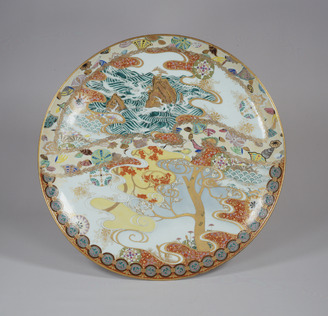
<p>Featuring traditional motifs and decorative gold paint, this work was purchased at Japan's first National Industrial Exhibition in 1877. From the inscription, it was likely made by Tsuji Katsuzō, who founded the ceramics company Kōransha in 1875.</p>






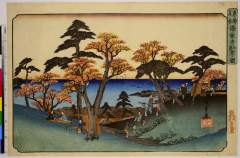

目録1枚・広重肖像1枚・画図119枚。目録に拠ると春の部42枚・夏の部30枚・秋の部26枚・冬の部20枚の計118枚。目録外1枚。以下目録題。(春の部) 001日本ばし・002霞が関・003山下御門内・004永代白魚船・005両国ノ相撲・006初音の馬場・007大伝馬町・008駿河町・009八辻が原・010神田明神・011上野清水・012同山下・013同広小路・014日暮里・015同諏訪・016千駄木団子坂・017飛鳥山・018王子いなり・019同大滝・020川口のわたし・021芝あたご・022ふる川・023千代が崎・024目黒新ふじ・025同元ふじ・026八景坂・027蒲田の梅・028御てん山・029砂むら・030梅屋しき・031吾妻森・032やなきしま・033四ツ木の引舟・034墨水夜景・035水神の杜・036真先の辺・037今戸の煙・038新吉原・039大川ばし・040関口水道端・041市谷八幡・042玉川堤/(夏の部)043日本橋・044おなしく通一丁め・045八つ見のはし・046鎧のわたし・047昌平はし・048水道橋・049王子不動のたき・050十二荘・051糀まち・052赤坂桐はたけ・053増上寺・054外さくら田・055佃住よし・056万年はし・057中洲・058大はしの夕立・059両国川船中・060同大かははた・061首尾の松・062こまかた堂・063あやせ川・064ほり切・065亀戸の藤・066五百羅かむ・067逆井・068深川八まん山開・069三十三けん堂・070中川くち・071とねかは・072はねた/(秋の部)073市中の七夕・074大丸屋・075紺屋町・076京ばし・077鉄炮洲・078つきぢ・079芝明前・080金杉橋・081高なは・082月の岬・083品川洲崎・084目黒爺茶や・085紀伊くに坂・086内藤新宿・087井の頭・088滝の川・089月の松弁天・090猿若街・091向島秋葉・092木母寺・093にい宿・094真間・095鴻の台・096堀江猫実・097小名木川の松・098両国の花火/(冬の部)099浅草寺の雪・100日本堤・101酉の市・102三川しま・103千住大橋・104小梅つゝみ・105御厩川岸・106木場・107十万坪・108芝浦・109さめ洲・110千束の池・111目黒太鼓橋・112藪小路・113とらのもん・114ひく尼はし・115高田の馬場・116姿見のはし・117ゆしま天神・118王子装束榎/(目録外)119赤坂桐畑雨中夕けい
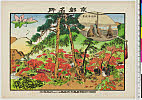
.jpg)
.jpg)
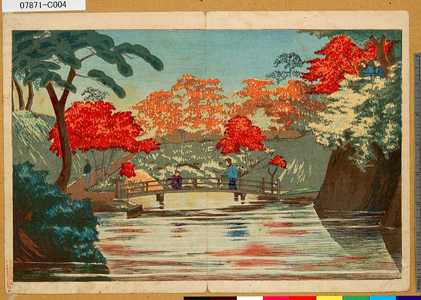
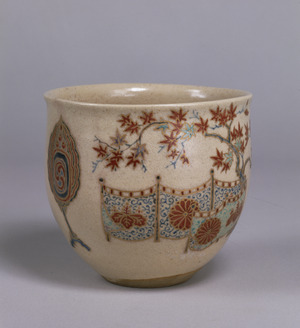


<p>Nin'ami D&ocirc;hachi (1783-1855) was a disciple of Okuda Eisen (1753-1811) and a well-known Ky&ocirc;yaki potter at the end of the Edo period (1615-1868). The polychrome design of cherry blossoms and maple leaves allude to a poem, which can be rendered, The cherry blossoms of Mount Yoshino look like clouds, while the maple leaves of the Tatsuta River resemble brocade. Hence, this motif style, which was a specialty of D&ocirc;hachi, is called the cloud brocade (J., <i>kumo nishiki</i>).</p>

古くから紅葉の名所として親しまれている京都・嵐山。毎年11月には、渡月橋付近で「嵐山もみじ祭」が催されます。もみじの美しさを讃え、感謝する行事で、能楽、舞楽など数々の芸能が、王朝絵巻さながらに繰り広げられます。<br><br>(この動画は、1994年に放送したものです。)


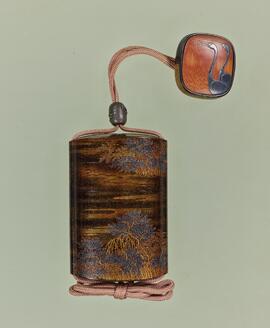
<p>These kind of cases were suspended from the sash of one's garment. They were used not only to store medicines, but also functioned as fashion accessories. (20170418_h101)<br /></p>
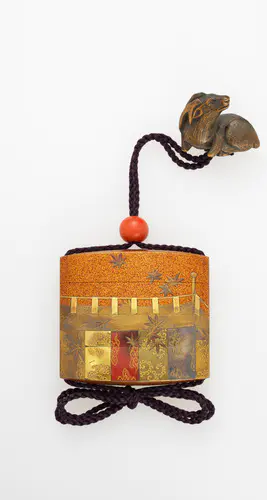
常形3段の印籠で、金梨子地に高蒔絵と金貝の極付で紅葉に幔幕を表す。段内部は金梨子地。底部右下に作銘。

<p>轆轤成形により、高台を高めに作り、腰から口縁にかけて曲線を描いて立ち上がり、木盃形とする。見込には、墨弾きの技法と呉須の濃淡により流水文をあらわし、その波間に散り落ちるような紅葉文を、赤色の線描きと、内側を赤・薄赤・黄・緑色の上絵具で塗込めて描く。側面には、呉須で七宝文を三方に描き、高台は櫛高台とする。本作品は5枚揃いで、いずれも均一に文様が施されているため、仲立ち紙を用いて下書きを転写したと考えられる。<br />巧みな文様表現が示す技術力の高さは隆盛期の鍋島焼のものであり、色鍋島あることからも、染付磁器が生産の主流となった徳川吉宗の治世以前と作品と考えられる。5枚揃いで伝世した点も貴重である。</p>

徳島県の名峰・剣山(つるぎさん)。標高1995メートル。10月の中旬、山頂から一足早く紅葉が始まります。この時期、山を彩る紅葉を見ようと、一年で一番、登山客が訪れます。<br><br>(この動画は、2019年に放送したものです。)

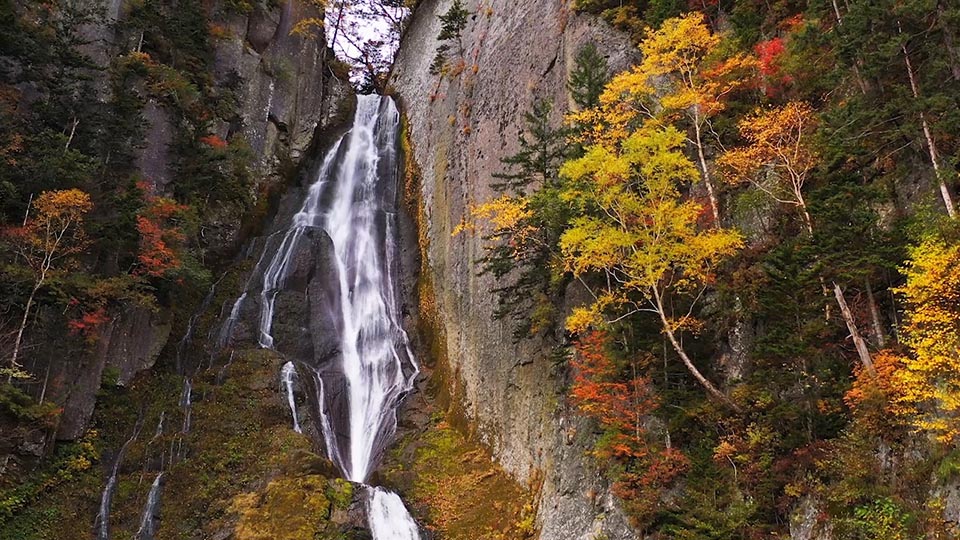
紅葉の絶景を、モーターパラグライダーの映像で紹介します。日本一紅葉が早い大雪山。パラグライダーは断がい絶壁を超低空で通り抜けます。黒岳を抜けると、視界が一気に開け、銀泉台の紅葉が眼下に広がります。9月下旬、山肌は真っ赤に色づき、息をのむ美しさです。<br><br>(この動画は、2006年に放送したものです。)

岩手県平泉町の毛越寺(もうつうじ)。11月に入ると境内のモミジやカエデの葉が色づき、参拝に訪れた人々の目を楽しませます。紅葉の季節が終わりを迎えると、平泉に長い冬が訪れます。<br><br>(この動画は、2016年に放送したものです。)

山梨県の見延山は、日蓮宗の総本山、久遠寺がある山です。11月に入ると周辺の木々の葉が色づき始め、12月に入っても紅葉を楽しむことができます。<br><br>(この動画は、2018年に放送したものです。)

紅葉の絶景を、モーターパラグライダーの映像で紹介します。びょうぶのようにきらびやかな色どりの最上川随一の景勝地・最上峡。その長さは戸沢村古口から草薙付近まで、およそ16kmにわたります。ヤマモミジ、カエデ、コシアブラ、ブナなどの木々が鮮やかに色づく中、パラグライダーはゆったりと飛行します。<br><br>(この動画は、2006年に放送したものです。)

岐阜県土岐市の曽木公園は、紅葉の名所として知られています。見ごろの時期には、夕方から紅葉のライトアップが行われます。公園内にある池にライトアップされた紅葉が映る「逆さもみじ」は、幻想的な風景を生み出します。<br><br>(この動画は、2018年に放送したものです。)


紅葉の絶景を、モーターパラグライダーの映像で紹介します。パラグライダーは、ブナの黄色とカエデの赤で色づく十和田湖外輪山を越え、湖面に錦を映し出す十和田湖に達します。十和田湖は周囲およそ44kmのカルデラ湖。湖岸までせまった木々も色づいています。<br><br>(この動画は、2006年に放送したものです。)

紅葉の絶景を、モーターパラグライダーの映像で紹介します。パラグライダーは、色鮮やかに染まる本州最北の渓谷・薬研(やげん)渓谷に沿って飛行します。宇曽利湖を抜けると死者の魂が集うといわれる恐山が見えてきます。<br><br>(この動画は、2006年に放送したものです。)
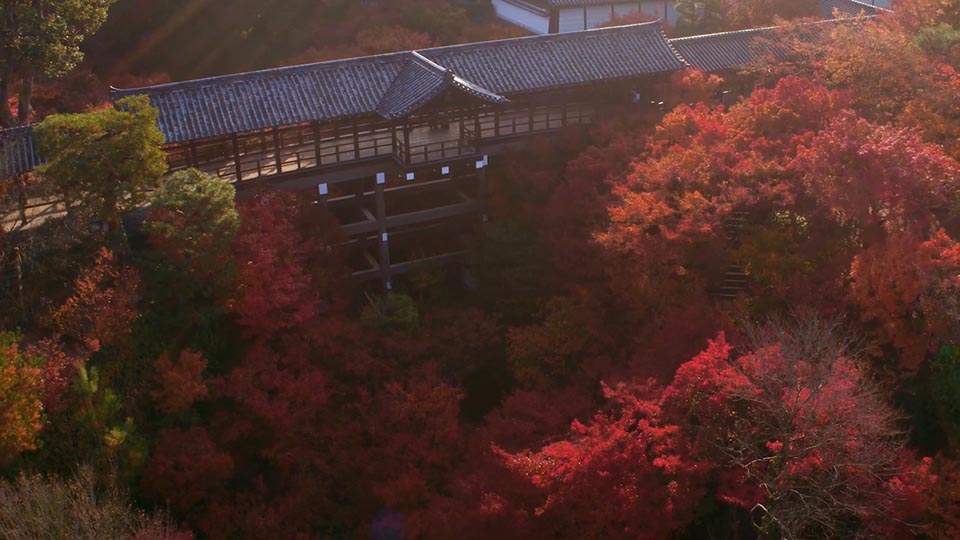
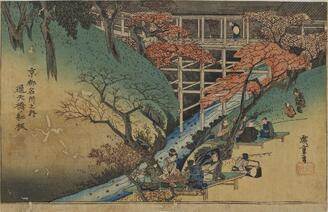
Tofukuji Temple is acclaimed for its historically significant buildings, unique gardens, and for providing one of Kyoto’s most spectacular sights each fall. The views from three covered bridges that cross a shallow valley of maple trees in the center of Tofukuji’s grounds are impressive in all seasons. However, the sight of the maples in their glorious fall colors is especially stunning from the Tsutenkyo Bridge, a 27-meter span. Many visitors flock to Tsutenkyo when the colors peak from late November to early December to admire the view from a bridge that seems to be floating on a sea of red leaves. Tofukuji is one of Kyoto’s “Five Mountains” of the Rinzai sect of Zen Buddhism. Although built on merely hilly land, its appellation refers to the temple’s importance in the Rinzai sect. Founded in 1236, its name comes from two important temples in Nara?the “To” (eastern) of Todaiji and the “fuku” (happiness) of Kofukuji. The current two-storied main gate, a National Treasure, was built in 1425 and is Japan’s largest and oldest Zen temple gate. Other significant structures dating back to the Muromachi period (1336 - 1573) include Japan’s oldest meditation hall and oldest temple toilet. Unfortunately for history lovers, this toilet building is usually closed, but modern facilities are on hand for visitors. The four gardens surrounding the sides of the head priest’s former living quarters were designed by renowned garden designer Shigemori Mirei (1896 - 1975). Each garden combines Zen simplicity with a modern sensibility but has a different character stemming from the use of raked pebbles, rocks, moss, shrubs, and checkered patterns. These gardens were completed in 1939 and are widely considered to be some of the finest in Kyoto.
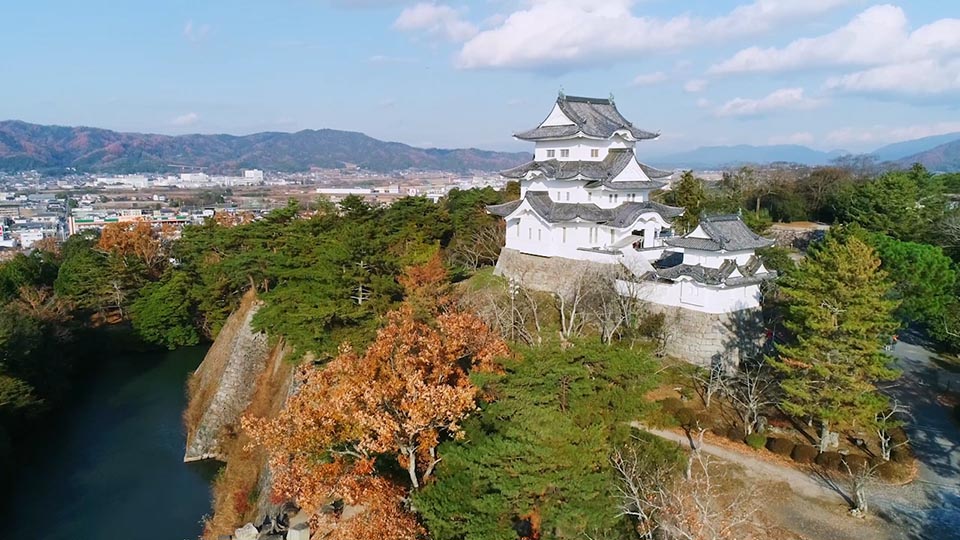
The towering stone walls of this hilltop castle are among the tallest in Japan at about 30 meters high. Iga Ueno Castle was built over 400 years ago for local lords, and the current structure was rebuilt from the same materials as the original. The castle has displays of swords, armor, scrolls, and taiko drums, and within walking distance are the Ninja Museum of Igaryu and a museum dedicated to legendary poet Matsuo Basho (1644 - 1694). The city holds a five-week ninja-themed festival from early April to early May and a festival in October that includes a parade of elaborate floats and a “procession of ogres.”
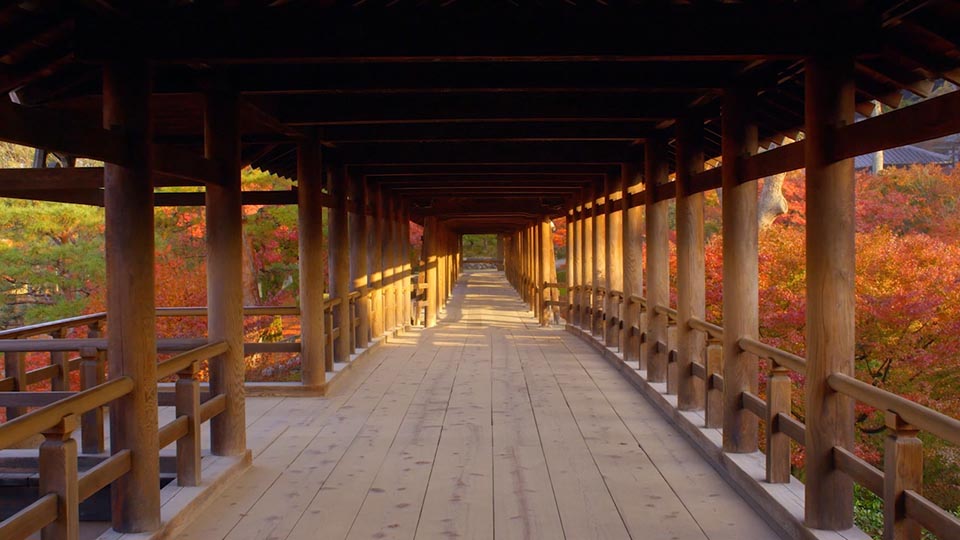
Tofukuji Temple is acclaimed for its historically significant buildings, unique gardens, and for providing one of Kyoto’s most spectacular sights each fall. The views from three covered bridges that cross a shallow valley of maple trees in the center of Tofukuji’s grounds are impressive in all seasons. However, the sight of the maples in their glorious fall colors is especially stunning from the Tsutenkyo Bridge, a 27-meter span. Many visitors flock to Tsutenkyo when the colors peak from late November to early December to admire the view from a bridge that seems to be floating on a sea of red leaves. Tofukuji is one of Kyoto’s “Five Mountains” of the Rinzai sect of Zen Buddhism. Although built on merely hilly land, its appellation refers to the temple’s importance in the Rinzai sect. Founded in 1236, its name comes from two important temples in Nara?the “To” (eastern) of Todaiji and the “fuku” (happiness) of Kofukuji. The current two-storied main gate, a National Treasure, was built in 1425 and is Japan’s largest and oldest Zen temple gate. Other significant structures dating back to the Muromachi period (1336 - 1573) include Japan’s oldest meditation hall and oldest temple toilet. Unfortunately for history lovers, this toilet building is usually closed, but modern facilities are on hand for visitors. The four gardens surrounding the sides of the head priest’s former living quarters were designed by renowned garden designer Shigemori Mirei (1896 - 1975). Each garden combines Zen simplicity with a modern sensibility but has a different character stemming from the use of raked pebbles, rocks, moss, shrubs, and checkered patterns. These gardens were completed in 1939 and are widely considered to be some of the finest in Kyoto.
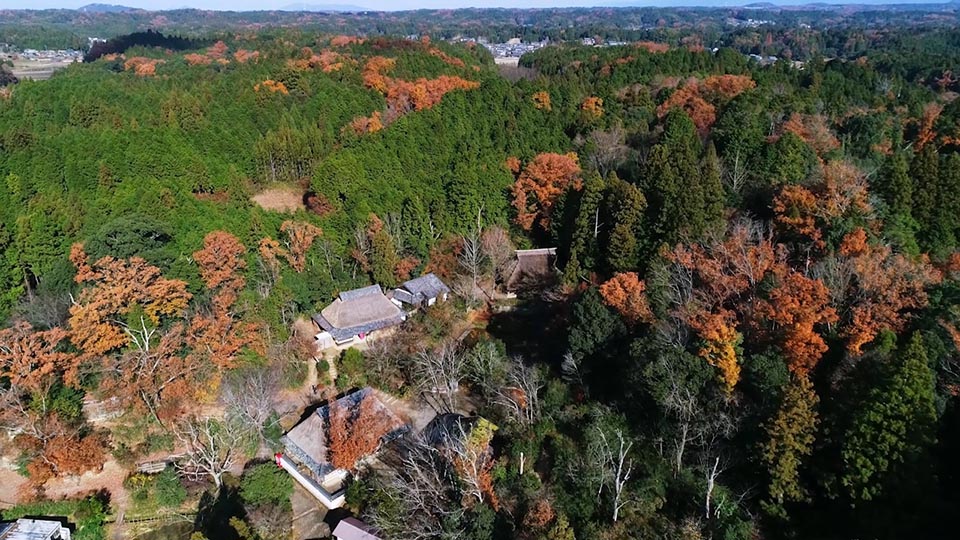
This ninja theme park includes activities to test your ninja skills and a museum displaying manuals, historical documents, and tools that paint a realistic portrait of these secretive warriors. Visitors can rent ninja clothing and learn how to throw <i>shuriken</i> stars, climb walls, and use special footwear to walk on water as part of an obstacle course. Participants in this training receive a scroll indicating their initiation into the secret world of the ninja. Staffers demonstrate training routines and the traps, concealed compartments, and other tricks that were built into ninja houses. Getting to the village is easy - a free shuttle bus ferries visitors to and from Koka Station.
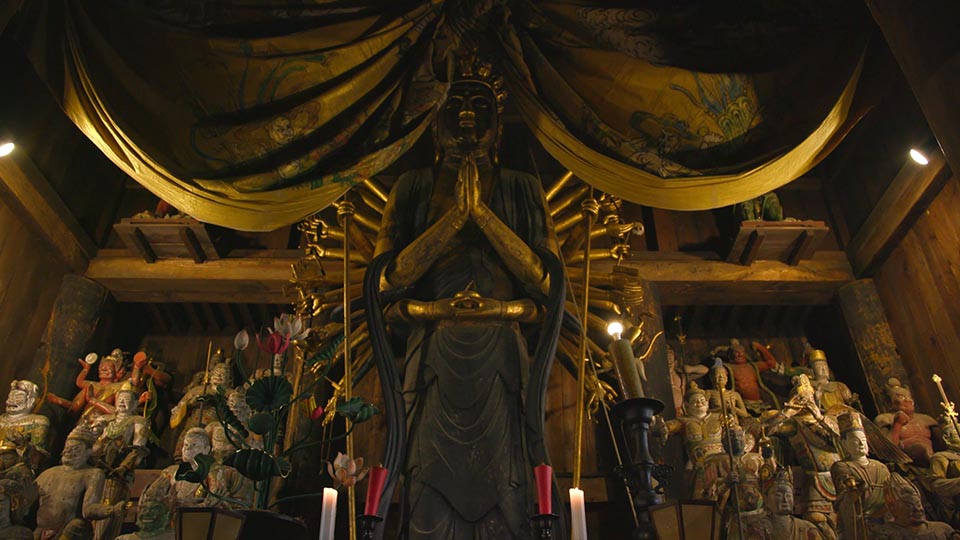
Eryuji Temple’s seven-meter Kannon statue carved from a single standing Zelkova tree is one of the largest such statues in Japan. Near this impressive statue is a large pillar that is believed to grant the wishes of those who hug it. It is said that the Zelkova’s roots still hold firm under the floor of the temple hall, which was built in about 1200. Eryuji, which is believed to have been established in 540, is the 31st of Aizu’s 33 Kannon pilgrimage sites. The temple grounds are known for their beautiful cherry blossoms each spring.
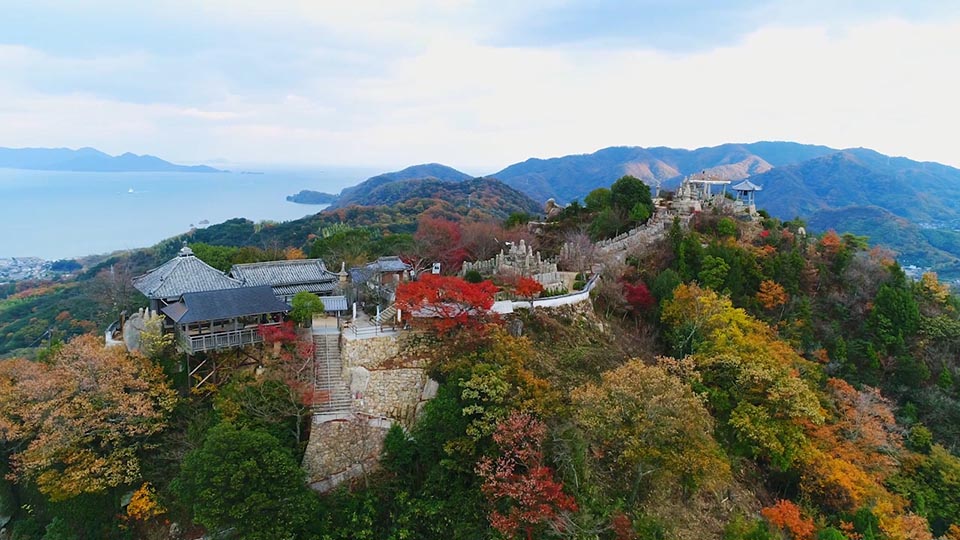
Mt. Shirataki is located on Innoshima, part of the Shimanami Kaido cycling route. From its 226-meter peak, there are panoramic views of the Setonaikai Sea. Long ago, priests of the <i>shugendo</i> mountain religion are said to have conducted ascetic training here. In 1568, the Innoshima Murakami family built Aoki Castle facing out over the sea on a hill close to Mt. Shirataki. They made Mt. Shirataki their stronghold and built a Kannon-do hall dedicated to the Buddhist goddess of mercy that doubled as a lookout point. Traditionally, there are said to be 500 statues of <i>arhats</i> (those who have reached nirvana), but actually there are around 700. A prominent local merchant carved the statues himself to create a Buddhist Pure Land on the summit of Mt. Shirataki.