Beautiful women paintings (Bijinga) of the Meiji, Taisho and early Showa eras
Transitions in Modern Japanese bijinga
Bijinga, paintings on the subject of female beauty, originated in the Edo period (1603-1867) as ukiyoe in Japan, and was established as a genre of Japanese painting, as a vanguard of modern Japanese painting from the Meiji era (1868-1912). At the same time, full-scale production of Western-style paintings began in Japan during the Meiji era, and Western-style paintings of beauties were also sought for expression. In the early modern period, bijinga were mainly secular works depicting yuujo (prostitutes), oiran (courtesans), and town girls, but from the modern period onward, through the influence of Western art and the establishment of exhibitions, they were transformed into works of art that pursued artistic expression. This section lists bijinga from the Meiji, Taisho, and early Showa eras in chronological order of production, so the transition of bijinga and female beauty in modern Japan can be seen.
Table of Contents
Beautiful women paintings of the Meiji era
[花揃美人くらへ] 「新はし とり」
「東京三十六会席元大坂町婦知甚左衛門町百尺楼」 「東京三十六会席」「元大坂町婦知」
「美人七陽華」 「正五位柳原愛子」
油彩画 婦人像
Thirty-Two Daily Scenes: 'Looks Painful', Mannerisms of a Courtesan from the Kansei Period
「風俗三十二相」 「うるささう」「寛政年間処女之風俗」
「大阪名所新美人」 「木津川に汐干狩」
「髙楼迎客 煎茶之図」
Beauties of Twelve Months : Swimming in the Sea of Oiso, August
花模様
「真美人」
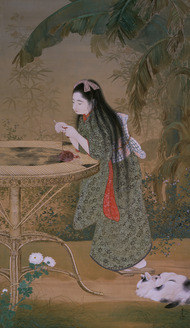
Autumn Garden
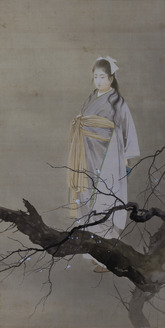
Grudge Borne on a Spring Evening
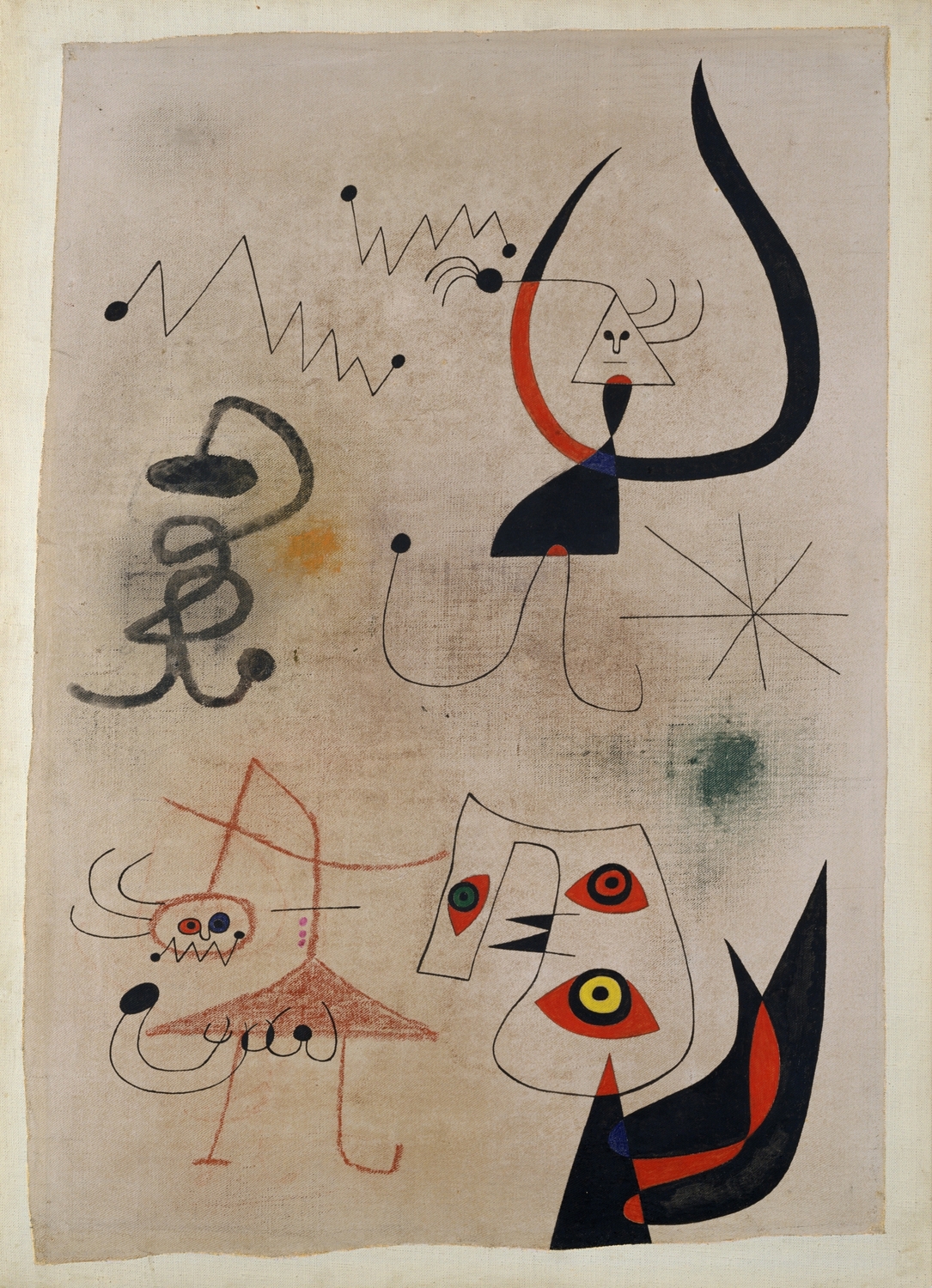
野辺
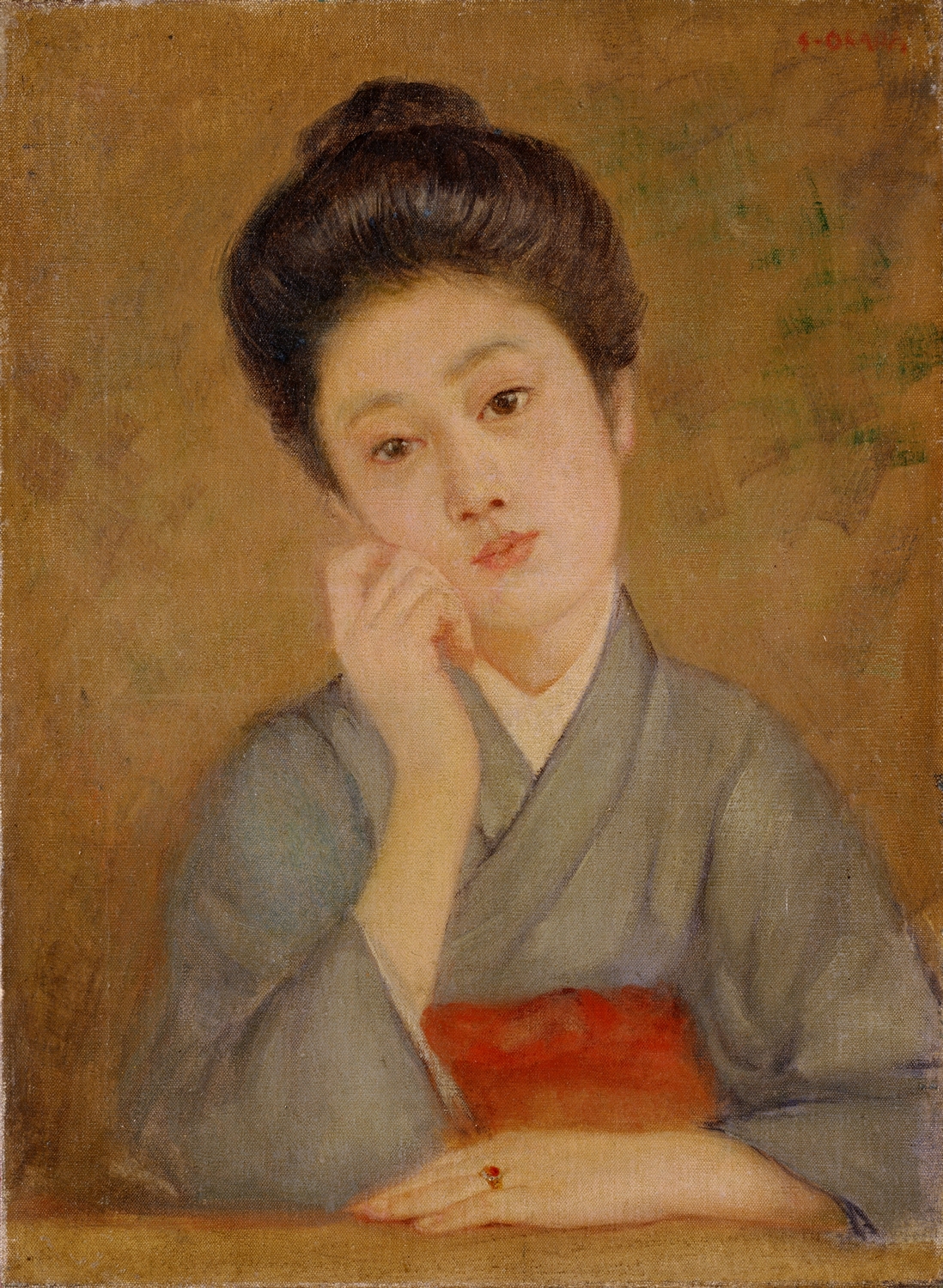
少女像
Belgian Girl
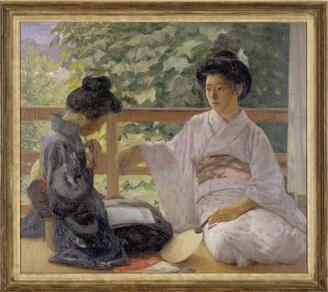
Upstairs
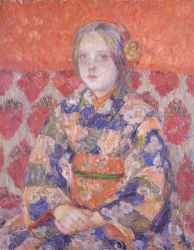
Belgian Girl in a Japanese Kimono
Beautiful women paintings of the Taisho and early Showa eras
Related People, Things and Events
Bijin-ga (Portraits of Japanese Beauties)
Often referred to as Bijin-e or Onna-e from the Edo through the Meiji era, Bijin-ga is a genre of Japanese painting illustrating the beauty of women. Famous works of the genre include Moronobu Hishikawa’s Mikaeri Bijin-zu (Beauty Looking Back).
Portraits
Paintings of particular individuals, either of just the face or the entire figure
Nishiki-e
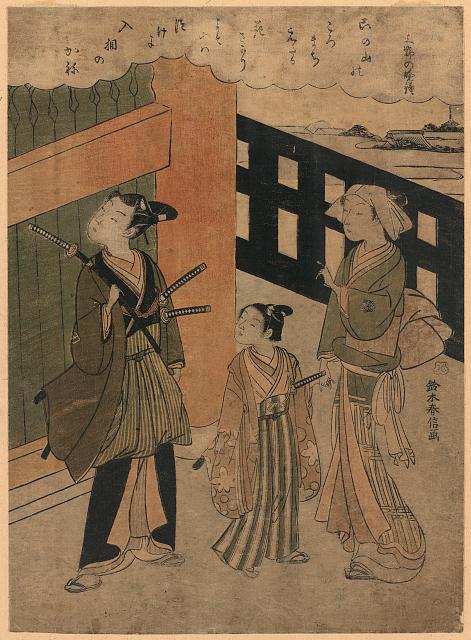
Nishiki-e is the generic term for the Ukiyo-e multi-colored woodblock prints which were developed and popularized during the Edo era.
Takehisa Yumeji
A poet and painter representative of Taisho romanticism. With his Yumeji-style paintings of beautiful women and elegant graphic designs, he dominated the art of a whole generation
Kobayashi Kiyochika
A woodblock print artist of the Meiji period who gained popularity for his skillful depiction of light and shade in prints of Tokyo during its early Westernization
Seiki Kuroda
Seiki Kuroda was a leading painter in Modern Japanese Art. He contributed to the western art development in Japan during the Meiji era.
References
- 『日本大百科全書(ニッポニカ)』(JapanKnowledge) 「美人画」の項目
- 「美人画」の系譜 : 心で感じる「日本絵画」の見方高階秀爾 監修・著,小学館
- 京の美人画100年の系譜 : 京都市美術館名品集京都市美術館 監修,青幻舎プロモーション,青幻舎
- あやしい美人画松嶋雅人 著,東京美術
- JapanKnowledge所収コンテンツの最終アクセス日は、いずれも2023/01/06。