鉱物と文明
鉱物やそれが文明に与えた貢献を悟ろう。また、実際に採掘をしていた人目線での文章を読んでみよう。
鉱物関連のことを色々詰め込んでます 某所にてイベント実施決定!!参加はこちらから→https://koubutu/ibentomaturi 冗談です
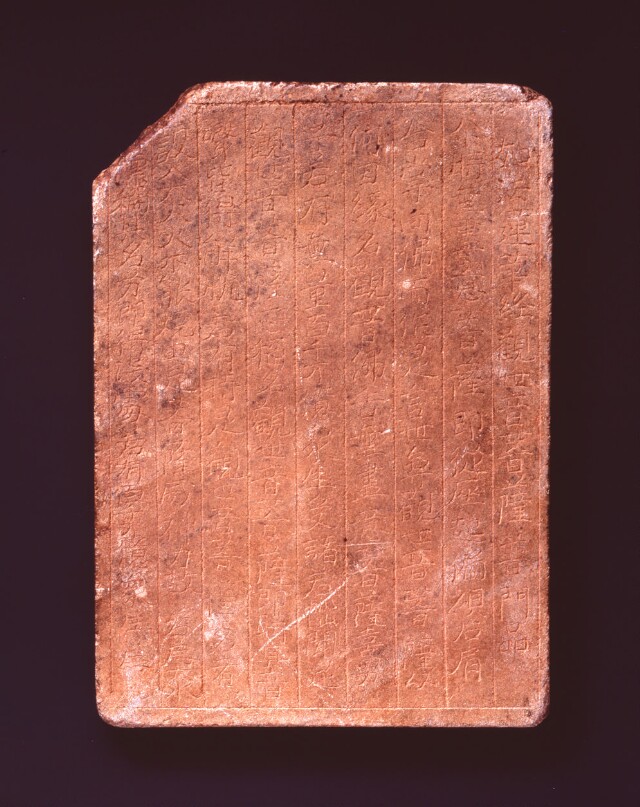
- Talcum Sutra
In Japan, 1052 was believed to be the beginning of the “end of the world,” triggered by the weakening of Buddhist law. After that, end-of-the-world chaos was believed would last over 5.6 billion years. Fearful that the sacred scriptures would perish in these eons of time, Heian aristocrats buried sutra manuscripts, preserved in special cases made of gilt copper, stone, earth, and more deep down in sutra mounds. As paper decays quickly, sutra makers devised methods to preserve the manuscripts, for example, by engraving them on copper plates, baked tiles, or talc tablets. Talcum, containing mainly hydrous magnesium silicate, was easily engraved. As all other extant talcum tablets, the exhibited eight tablets were excavated from sutra mounds in Northern Kyushu. They show texts transcribed from the Lotus Sutra on the front and the Heart Sutra on the back, and one out of the eight tablets shows the year 1119, along with the names of shrine officials and priests of Usa-Hachiman Shrine in Bungo Province (Oita Prefecture) who commissioned sutra copying. While being a rare and precious religious work of art, the Talcum Sutra also has historical importance and sheds light on the spread of the end-of-the-world concept.
鉱物が文化にどのような貢献を果たしたのかわかるはずです
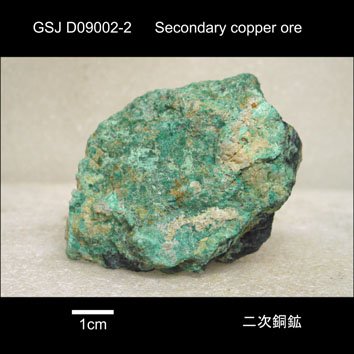
- 銅鉱(二次鉱物) / 金属
「銅なのに青色?」と思いましたか?そんな銅もあるんです
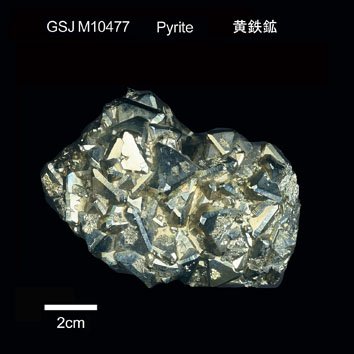
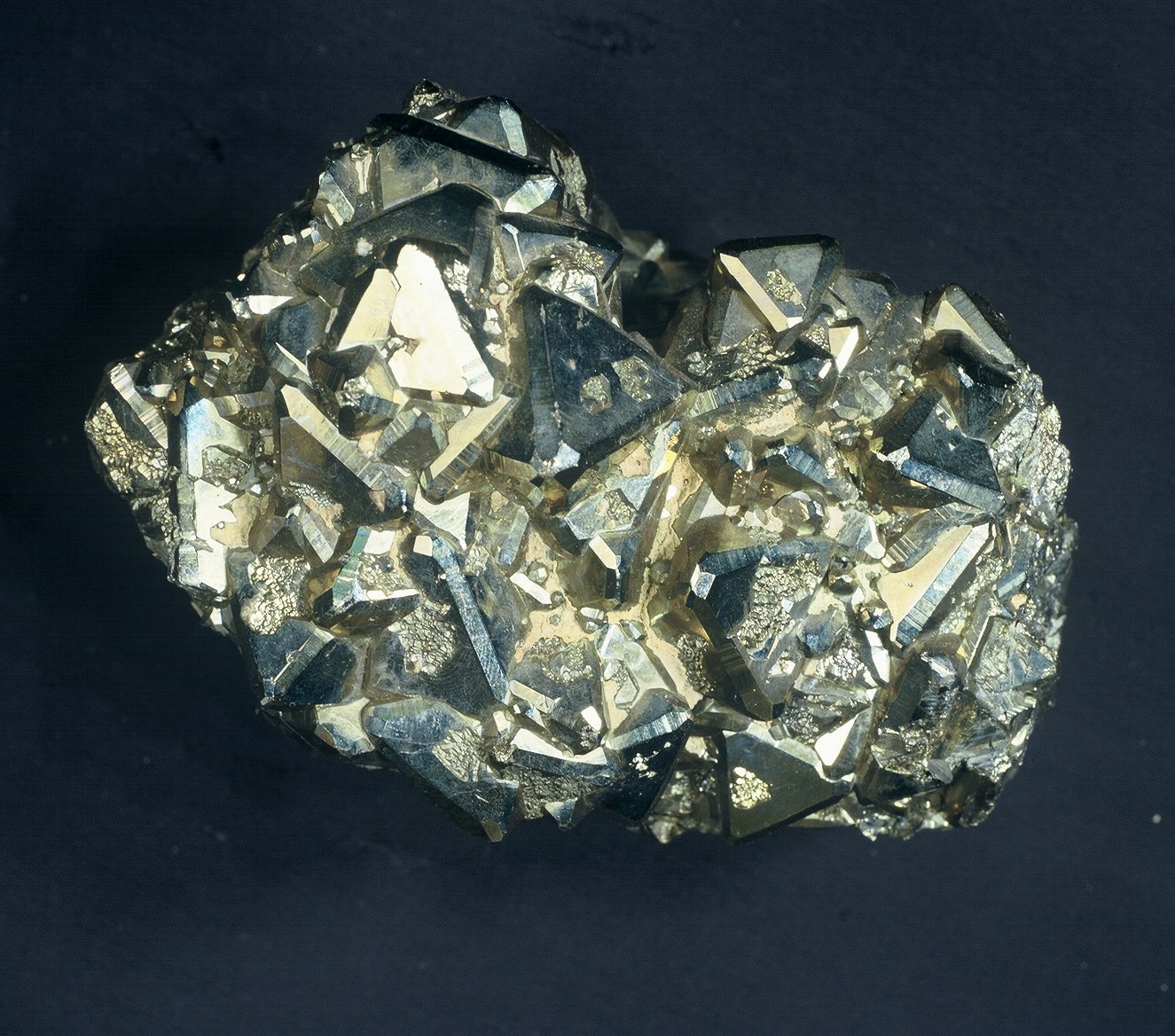
- Pyrite / Sulfides
不思議な見た目をした金、ではなく銅です。この銅が辿ってきた数奇な運命を想像してみましょう
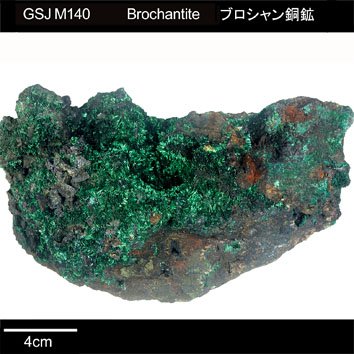
- Brochantite / Sulfates
これも銅なんです。
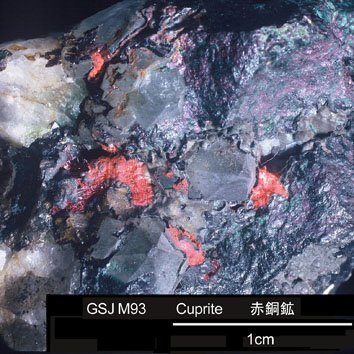
- Cuprite (Chalcotrichite) / Oxides
なんとこれも銅なんです
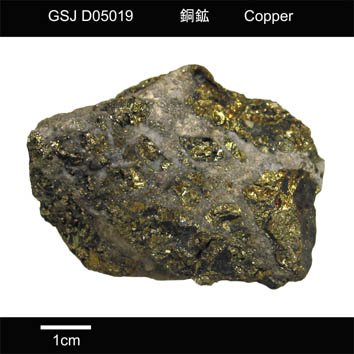
- 黄銅鉱, 黄鉄鉱 / 金属
金と言われても騙されない目はありますか
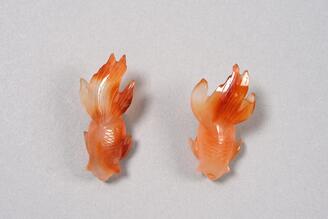
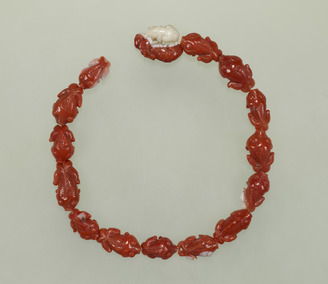
- Goldfish
神谷伝兵衛氏寄贈,Gift of Mr. Kamiya Denbei,東京国立博物館,Tokyo National Museum
<p>This string of fifteen goldfish is carved from agate. Each goldfish has large eyeballs and round bodies which give them a somewhat humorous appearance. The sculptor made skillful use of the red and white portions of the agate to evoke the mottled red and white scales of goldfish. In China, goldfish are popular as symbols of luck and abundant wealth because the Chinese word for “fish” has the same pronunciation as the word for “abundance.”<br /><br />During the Neolithic period (10,000–4,500 BC) in China, people developed the art of carving and polishing particularly striking stones, like jade and agate, to create containers, tools, and other objects. Decorative art objects that made the most of each stone’s natural coloring, like these goldfish, were especially popular during the Qing dynasty (1644–1911). You could say that human ingenuity was used to further improve the already impressive natural qualities of the materials.</p><br /><p>Goldfish were symbols of wealth. Here, fifteen goldfish carved from agate are strung together.<br /></p>
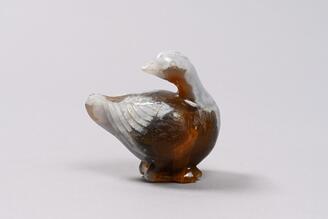
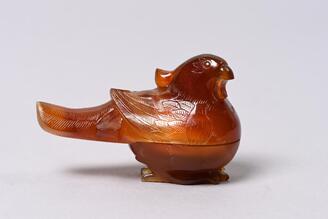
鉱物が芸術に変わる瞬間をご覧あれ

鉱物はどうでしたか?鉱物が文明に与えてきた影響をわかっていただければ幸いです
見てくれてありがとうございました!!好物の魅力を知ってもらえれば幸いです!!
2026年3月27〜29日ビエント高崎「ビッグキューブ」にてミネラルマルシェを開催いたします!!いろんな鉱物を見て感じましょう!!
参考資料
- Talcum Sutra
In Japan, 1052 was believed to be the beginning of the “end of the world,” triggered by the weakening of Buddhist law. After that, end-of-the-world chaos was believed would last over 5.6 billion years. Fearful that the sacred scriptures would perish in these eons of time, Heian aristocrats buried sutra manuscripts, preserved in special cases made of gilt copper, stone, earth, and more deep down in sutra mounds. As paper decays quickly, sutra makers devised methods to preserve the manuscripts, for example, by engraving them on copper plates, baked tiles, or talc tablets. Talcum, containing mainly hydrous magnesium silicate, was easily engraved. As all other extant talcum tablets, the exhibited eight tablets were excavated from sutra mounds in Northern Kyushu. They show texts transcribed from the Lotus Sutra on the front and the Heart Sutra on the back, and one out of the eight tablets shows the year 1119, along with the names of shrine officials and priests of Usa-Hachiman Shrine in Bungo Province (Oita Prefecture) who commissioned sutra copying. While being a rare and precious religious work of art, the Talcum Sutra also has historical importance and sheds light on the spread of the end-of-the-world concept.
斯道文庫Keio Object Hub
- 銅鉱(二次鉱物) / 金属
産業技術総合研究所 地質調査総合センター地質標本データベース
- Pyrite / Sulfides
産業技術総合研究所 地質調査総合センター地質標本データベース
- Brochantite / Sulfates
産業技術総合研究所 地質調査総合センター地質標本データベース
- Cuprite (Chalcotrichite) / Oxides
産業技術総合研究所 地質調査総合センター地質標本データベース
- 黄銅鉱, 黄鉄鉱 / 金属
産業技術総合研究所 地質調査総合センター地質標本データベース
- Goldfish
神谷伝兵衛氏寄贈,Gift of Mr. Kamiya Denbei,東京国立博物館,Tokyo National Museum
<p>This string of fifteen goldfish is carved from agate. Each goldfish has large eyeballs and round bodies which give them a somewhat humorous appearance. The sculptor made skillful use of the red and white portions of the agate to evoke the mottled red and white scales of goldfish. In China, goldfish are popular as symbols of luck and abundant wealth because the Chinese word for “fish” has the same pronunciation as the word for “abundance.”<br /><br />During the Neolithic period (10,000–4,500 BC) in China, people developed the art of carving and polishing particularly striking stones, like jade and agate, to create containers, tools, and other objects. Decorative art objects that made the most of each stone’s natural coloring, like these goldfish, were especially popular during the Qing dynasty (1644–1911). You could say that human ingenuity was used to further improve the already impressive natural qualities of the materials.</p><br /><p>Goldfish were symbols of wealth. Here, fifteen goldfish carved from agate are strung together.<br /></p>
神谷伝兵衛氏寄贈,Gift of Mr. Kamiya Denbei,東京国立博物館,Tokyo National Museum
東京国立博物館ColBase