The Modern Age of Yamato-e Inheriting Tradition and Taking on the Challenge of Innovation
Yamato-e was established in the early Heian period (794-1185) while learning from paintings of Chinese origin called "Karae" and has continued to be painted for a long time in the history of Japanese painting. This exhibition looks back on the development of Yamato-e in the modern period, featuring works by the restoration Yamato-e artists who appeared in the late Edo period, works by Tosa- and Sumiyoshi-ha painters of the Meiji period, works by "neo-classical" artists active in the Inten exhibition after the Taisho period, and works by the emerging Yamato-e society that aimed to establish a "new Yamato-e".
Table of Contents
1. Revival of Classical Yamato-e
In the Muromachi period, Yamato-e reached its peak, and the Tosa school was born from Tosa Yukihiro, who succeeded to the court painting office in Kyoto, and in the early Edo period, Sumiyoshi Jokei branched off and established the Sumiyoshi school. However, both the Tosa and Sumiyoshi schools continued to decline toward the end of the Edo period. The Restoration Yamato-e Movement was started by Tanaka Totsugen, Ukita Ikkei, and Reizei Tamechika to restore Yamato-e to its original state. This section introduces the works of these three Yamato-e restorers.





1-1. Works by Tanaka Totsugen (1767-1823)
Related materials
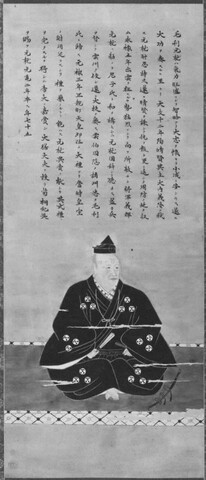
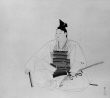
Portrait of Mouri Motonari
戦国時代の武将・毛利元就〈もうりもとなり・1497-1571〉の肖像画。元就は、大永3年〈1523〉に父・弘元から家督を継承後、尼子氏から大内義隆の下に属し、大内氏の芸備制圧に尽力、功名を立てた。そこで元就は、2男元春を吉川氏に、三男隆景を小早川氏に養子に入れるという政略をもって芸備地方の実権を掌中にした。弘治元年〈1555〉、大内氏を倒した陶氏を攻略、周防・安芸両国を治め、つづいて備後・備中・石見、さらには出雲をも制圧して、中国10ケ国の覇者となった。さらには豊前・伊予まで勢力を拡げ、西国の大大名に成長した。が、元亀2年〈1571〉75歳で病没した。元就の画像は、永禄5年〈1562〉9月仁如集堯の賛をもつ元就66歳の寿像(山口・豊栄神社蔵)、天正19年〈1591〉2月凞春龍喜が賛をした画像(山口・毛利博物館蔵)、さらに無賛の画像(島根・鰐淵寺蔵)の3種(いずれも重要文化財)が知られる。本図は、その中の鰐淵寺蔵本の模写本である。直衣、侍烏帽子の姿で、左腰に腰刀を差し、右手には蝙蝠扇を持ち、上畳に坐す。左脇には太刀を置く。老練な戦国武将の風貌をよくあらわしている。模写したのは江戸時代後期の画家、田中訥言〈たなかとつげん・1767-1823〉である。訥言は、尾張の出身で、京都に出て土佐光貞に土佐派の画法を学ぶがあきたらず、みずから大和絵の古典を研究、模写を通じてその復興を志し、ついには復古大和絵の祖として、浮田一蕙や渡辺清など多くの門弟を育てた。本図も、その古典研究に明け暮れのころの作品であろう。上部に元就の人となりを伝える賛文が書写されるが、文の作者、筆者ともに不明である。ちなみに、鰐淵寺蔵本には賛語はない。
1-2. Works by Ukita Ikkei (1795-1829)
Related materials
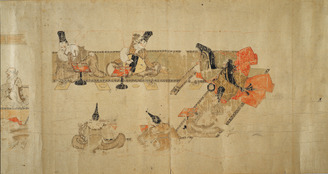
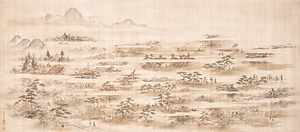
12. 北野大茶湯図
天正15年(1587)10月1日、豊臣秀吉が京都・北野天満宮にて大茶会「北野大茶湯」を催し、身分にこだわらず広く参加を呼び掛け、建てられた茶屋は800あるいは1500とも言われる。本作は復古やまと絵の画家・浮田一蕙が、北野大茶湯から約250年後の天保14年(1843)前後に描いた想像図。北野松原の至るところで茶席を設ける人々を描く。同じく一蕙による複数の類似作例が確認でき、人気の画題であったことがうかがえる。 本作には書きこみがないが、天保14年の年紀をもつ北野天満宮本には高札文、三飾席茶道具、天正名物記(天正年間の京の茶人の所持道具についての記録)、人名・地名などが書き込まれており、『太閤記』など複数の史料を基に描かれたことが推測される。 なお、北野大茶湯では三つの飾席と四つの茶席が設けられたとされる。三飾席は拝殿に設けられたことが概ね定説となっているものの、四茶席は拝殿の四隅に置かれた説と、拝殿の外に四畳半の茶席として設けられた説の2説に分かれている。一蕙は拝殿の外に設けた説をとったようで、本作に書き込みはないが、北野天満宮本には「利休」「関白様」「宗久」「宗及」と書き込みをもち、四つの茶席が画面右上、右近馬場付近に描かれている。 参考文献:『北野大茶湯‐天正から現代へ‐』展図録(茶道資料館、2020年)
1-2. Works by Reizei Tamechika (1823-1864)
Related materials
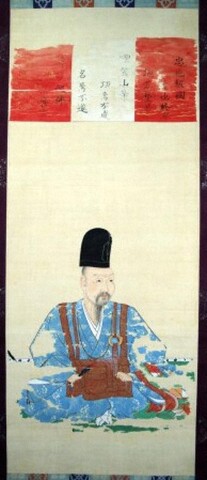
Portrait of Hoida Tadatomo by Reizei Tamechika
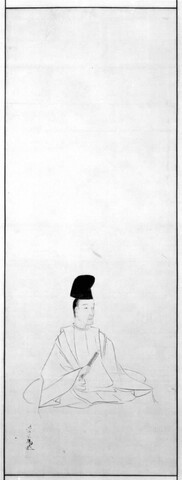
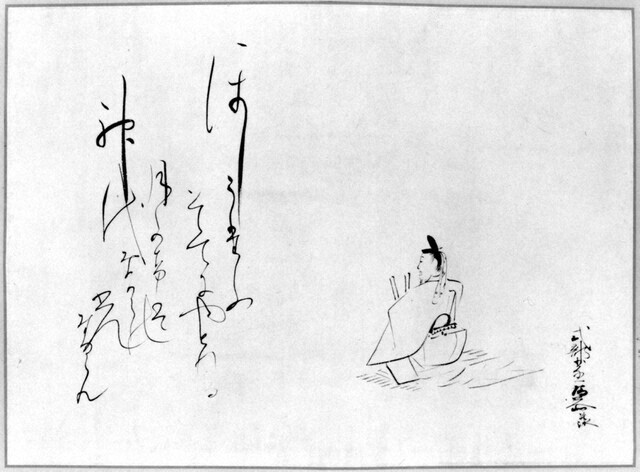
冷泉為恭〈れいぜいためちか・1823-64〉は、幕末の復古大和絵派の画家。画家狩野永泰の第3子として京都に生まれる。が、みずからは冷泉姓を名乗り、のち岡田家の養子となって、菅原姓を名乗った。画ははじめ父にしたがって狩野派を学ぶが、やがて大和絵に興味を抱き、古寺名刹に伝来の古画の模写を通じて大和絵の手法を学び取っていった。「源頼朝像」(東京国立博物館蔵)「法然上人絵伝」(京都知恩院蔵)などの模写作品をはじめ多数の作品を残すが、安政4年〈1857〉の大樹寺(愛知県岡崎市)の障壁画はかれの代表作とされる。あわせて上代様の書法や有職故実にも精通した。が、晩年、「伴大納言絵詞」の模写を願い、その所有者である京都所司代酒井忠義邸に出入りしたことが、幕府に通じているとの風聞を招き、尊皇派の追手からの逃亡生活を余儀なくされた。上賀茂の神光院、紀州粉河寺へ身を隠したが、元治元年〈1864〉5月5日、大和丹波市(奈良市天理市)で長州藩士によって非業の死を遂げた。42歳であった。本図の像主穂井田忠友〈ほいだただとも・1791-1847〉は、江戸時代後期の考古・古典学者である。摂津生玉神社社司穂井田某の養子。平田篤胤に入門して国学を、藤林普山に西洋医学を学ぶ。さらには、和歌を香川景樹に学び、桂門四天王・桂門十哲に数えられた。が、かれの真骨頂は古物とくに奈良時代の事物の考証にあった。その博識をもって「ならや」と呼ばれたほどである。とくに天保4年〈1833〉からの正倉院宝庫修理にあたっては器物・文書の調査が許され、『正倉院文書』の整理に従事、世間に広く知らしめるきっかけとなった。本図の像主が右手に持つ巻物の題簽に「東大寺正倉院忠友」と書き付けることによって、忠友の画像であることを示す。また、同時にかれの功績を称える為恭の深謀遠慮である。墨画淡彩の作品でありながら、像主の品格がよくあらわされており、為恭の力量の確かさを示す作品である。
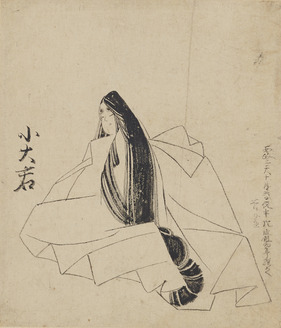
15. 藤原佐理像
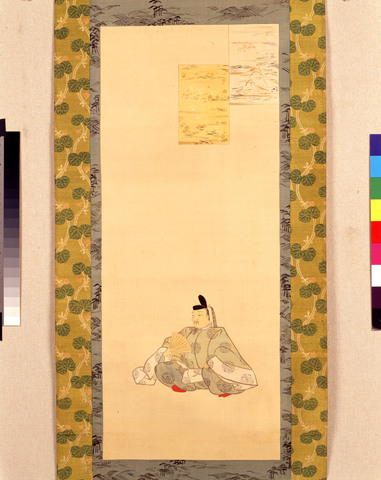
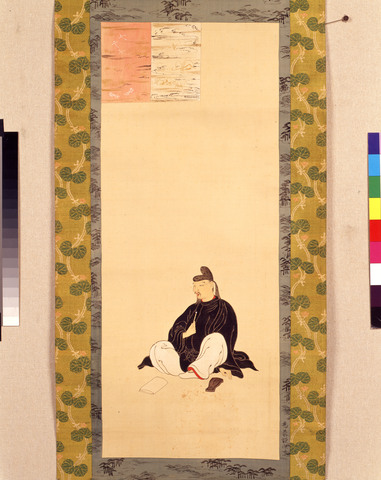
A painter of the late Edo Period, Reizei Tamechika (1823-64) was born in Kyoto as the son of Kano Eitai. However, he liked the Reizei surname so much that he adopted it and called himself “Reizei Saburo.” He was later adopted into the Okada Family and appointed the Protector of Ohmi, Junior Fifth Rank. With a strong aversion for the highly-formalized Kano School painting styles, Tamechika was attracted to the revival of the Yamatoe tradition (used in ancient Japanese court paintings), a movement led on the art scene by Tanaka Totsugen (1767-1823). Well-versed in ancient manners and decorum, Tamechika also contributed greatly to the revival of ancient court culture. In his last years, he frequented the Sakai Family mansions to make reproductions of the “Picture Scroll Depicting Major Counselor Tomono”. But, this artistic activity was misinterpreted by the samurai, who were staging urban guerilla warfare in order to dispel foreign influences. As a result, Tamechika fled from Kyoto (1862) and sought the Buddhist life, adopting the name Shinren-Bo Koa. Nevertheless, he was assassinated in May 1864 by a band of Choshu samurai, acting on a self-imposed mission to terminate the military government under the House of Tokugawa. He was 42 years old. The exhibit is a portrait of Three Great Carigraphists of the mid Heian period, Ono-no Michikaze (also Tofu, 894-996), Fujiwara-no Sukemasa (also Sari, 944-998) and Fujiwara-no Yukinari (also Kozei, 972-1027). They established a Japanese style of writing.
16. 藤原行成像
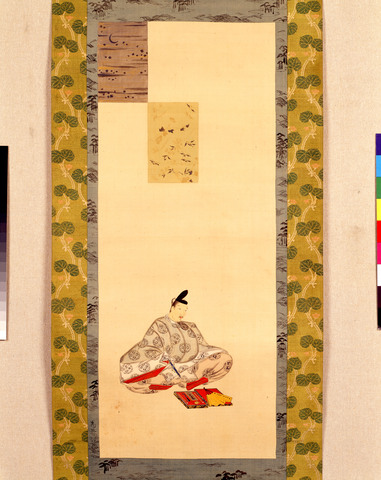
A painter of the late Edo Period, Reizei Tamechika (1823-64) was born in Kyoto as the son of Kano Eitai. However, he liked the Reizei surname so much that he adopted it and called himself “Reizei Saburo.” He was later adopted into the Okada Family and appointed the Protector of Ohmi, Junior Fifth Rank. With a strong aversion for the highly-formalized Kano School painting styles, Tamechika was attracted to the revival of the Yamatoe tradition (used in ancient Japanese court paintings), a movement led on the art scene by Tanaka Totsugen (1767-1823). Well-versed in ancient manners and decorum, Tamechika also contributed greatly to the revival of ancient court culture. In his last years, he frequented the Sakai Family mansions to make reproductions of the “Picture Scroll Depicting Major Counselor Tomono”. But, this artistic activity was misinterpreted by the samurai, who were staging urban guerilla warfare in order to dispel foreign influences. As a result, Tamechika fled from Kyoto (1862) and sought the Buddhist life, adopting the name Shinren-Bo Koa. Nevertheless, he was assassinated in May 1864 by a band of Choshu samurai, acting on a self-imposed mission to terminate the military government under the House of Tokugawa. He was 42 years old. The exhibit is a portrait of Three Great Carigraphists of the mid Heian period, Ono-no Michikaze (also Tofu, 894-996), Fujiwara-no Sukemasa (also Sari, 944-998) and Fujiwara-no Yukinari (also Kozei, 972-1027). They established a Japanese style of writing.
17. 小野道風像
A painter of the late Edo Period, Reizei Tamechika (1823-64) was born in Kyoto as the son of Kano Eitai. However, he liked the Reizei surname so much that he adopted it and called himself “Reizei Saburo.” He was later adopted into the Okada Family and appointed the Protector of Ohmi, Junior Fifth Rank. With a strong aversion for the highly-formalized Kano School painting styles, Tamechika was attracted to the revival of the Yamatoe tradition (used in ancient Japanese court paintings), a movement led on the art scene by Tanaka Totsugen (1767-1823). Well-versed in ancient manners and decorum, Tamechika also contributed greatly to the revival of ancient court culture. In his last years, he frequented the Sakai Family mansions to make reproductions of the “Picture Scroll Depicting Major Counselor Tomono”. But, this artistic activity was misinterpreted by the samurai, who were staging urban guerilla warfare in order to dispel foreign influences. As a result, Tamechika fled from Kyoto (1862) and sought the Buddhist life, adopting the name Shinren-Bo Koa. Nevertheless, he was assassinated in May 1864 by a band of Choshu samurai, acting on a self-imposed mission to terminate the military government under the House of Tokugawa. He was 42 years old. The exhibit is a portrait of Three Great Carigraphists of the mid Heian period, Ono-no Michikaze (also Tofu, 894-996), Fujiwara-no Sukemasa (also Sari, 944-998) and Fujiwara-no Yukinari (also Kozei, 972-1027). They established a Japanese style of writing.
Star Festival by Reizei Tamechika
Reizei Tamechika (1823-1864) was a painter who lived toward the last years of the Edo military administration. Although he was born in Kyoto as Kano Eitai’s son, he did not inherit this famous painter family’s name and adopted the Reizei surname instead. Later, he was adopted into the Okada family. He first practiced the traditional Kano-style painting techniques under his father, but was later attracted to the Yamato-e techniques. He taught himself the various Yamato-e techniques by making replicas of famous ancient paintings. In order to copy the Narrative Scroll of Provisional Major Counselor Ban Dainagon (illustrated story of the downfall of Tomo-no-Yoshio, or Ban Dainagon, the Chief Councilor of State who lived in the early 9th century), Tamechika often visited the home of Sakai Tadaaki (1813-1873), the acting police superintendent of Kyoto and the owner of this ancient masterpiece. The action roused suspicion among the “Revere the Emperor” political radicals who eventually assassinated Tamechika in Tamba Ichi (Nara Pref.) on May 5, 1864. The artist was 42 years old. In the history of calligraphy, Tamechika is classified in the Jodai-yo classical style and left behind many fine replicas of various famous ancient brushworks.
Image of Deity of Medicine by Reizei Tamechika
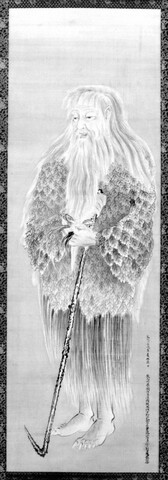
これは、中国の古代の神話に見える、伝説上の帝王・炎帝神農(えんていしんのう)を描く。炎帝とは、もともと南方に位置し夏の季節をつかさどる神格化された帝王で、五行思想で「火」にあたる位置にいるところから、三皇の1人、神農と結びつき、炎帝神農と呼ばれて同じく三皇の1人である伏羲と皇帝の間に入る帝王として歴史化された。もともとは、人身首牛で、農具を発明、人民に農耕を教えたことによる名称である。また、草木を嘗めて薬草を探して医薬を作り、本草医学の神ともなったという。民衆のなかに広く信仰の対象とされた。画像では、草衣を着け、草木を嘗めるさまを描かれるのが多いが、本図は、長い白髪に、胸まで伸びる顎髭をたくわえる像に描く。筆者の冷泉為恭〈れいぜいためちか・1823-64〉は、幕末の復古大和絵派の画家。画家狩野永泰の第3子として京都に生まれる。が、みずからは冷泉姓を名乗り、のち岡田家の養子となって、菅原姓を名乗った。画ははじめ父にしたがって狩野派を学ぶが、やがて大和絵に興味を抱き、古寺名刹に伝来の古画の模写を通じて大和絵の手法を学び取っていった。「源頼朝像」(東京国立博物館蔵)「法然上人絵伝」(京都知恩院蔵)などの模写作品をはじめ多数の作品を残すが、安政4年〈1857〉の大樹寺(愛知県岡崎市)の障壁画はかれの代表作とされる。あわせて上代様の書法や有職故実にも精通した。が、晩年、「伴大納言絵詞」の模写を願い、その所有者である京都所司代酒井忠義邸に出入りしたことが、幕府に通じているとの風聞を招き、尊皇派の追手からの逃亡生活を余儀なくされた。上賀茂の神光院、紀州粉河寺へ身を隠したが、元治元年〈1864〉5月5日、大和丹波市(奈良市天理市)で長州藩士によって非業の死を遂げた。42歳であった。本図には、右脇下に、「文久二壬戌年夏五月日蔵人所衆関白直廬預従五位下行式部少丞兼近江守菅原朝臣為恭拝画(印「菅」)」の長い落款を記している。為恭が関白九条尚忠つきの関白直廬預になったのが安政3年〈1856〉8月、従五位下になったのは同5年正月のこと。よって、この作品は、為恭36歳以降の制作と知る。古筆や古画の模写修行によって培われた筆線の強さ、充実ぶりは、かれの才筆を物語るものである。
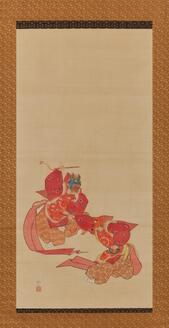
Azuma-asobi Dance
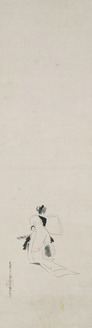
<p>冷泉為恭は少年時代から平安~鎌倉時代の古画を模写して画技を磨き、古大和絵の復興を目指した画家。東遊は東舞ともいう歌舞の一種。加茂臨時祭・石清水臨時祭や宮中の祭礼で舞われた。有職故実に詳しい為恭ならではの画題といえよう。<br /></p>
2. Movement for the defense of traditional art
In 1879, the Ryuchi-kai became the center of activities of the nationalistic conservative school in art, providing a venue for traditional conservative artists to create and exhibit their works. The association later evolved into the Japan Art Association, in which many painters of the Tosa and Sumiyoshi schools participated, including Kawabe Mitate, Morizumi Tsurana, and Yamana Tsurayoshi. In 1894, young painters who became independent from the internal organization formed the Japan Youth Painting Association, and the works of Tosa School painters Murata Tanryo and Kobori Tomoto came to be highly acclaimed.




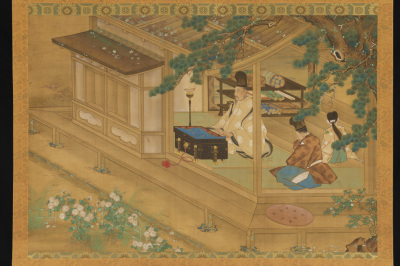

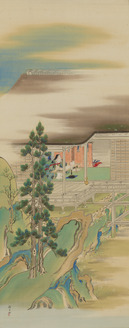
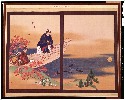


2-1. Works by artists belonging to the Japan Art Association

Related materials
24. 武田信玄像(模本)
<p>武田信玄(1521-73)は甲斐国(現在の山梨県)を拠点とした戦国武将です。本作の原本は信玄の菩提寺である高野山成慶院に伝わりました。信玄の肖像画としてよく知られていますが、近年では能登の戦国武将・畠山義続を描いたとする別人説も提唱されています。<br />@かい@せいけいいん@はたけやまよしつぐ@</p>
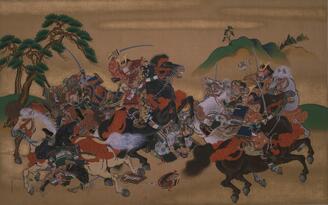
Battle in the Nanbokucho Period
<p>南北朝時代の合戦の様子を描いたものですが、具体的な合戦の場所や武将の名前はわかっていません。この絵は明治26年のシカゴでの万国博覧会に出品されたもので、当時は額装でした。「武者絵の御盾」と呼ばれた近代大和絵の大家川辺御楯の大作です。</p>
2-2. Works by artists belonging to Japan Youth Painting Association
Related materials
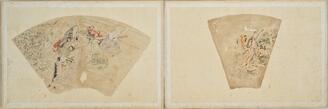
Fan-shaped Albums of the Lotus Sutra (Copy)
<p>岡倉覚三(天心)は美術部設置時から優れた美術品の模写・模造を積極的に進め、明治20年代には多くの模写・模造品が博物館の所蔵となった。扇面古写経は扇形を二つ折にした冊子に法華経を書写したもので、下絵は平安時代の数少ない世俗画として著名である。<br /></p>
3. Rediscovering Ideal Beauty
In 1898, the Shikoh-kai was formed by students of Kobori Tomoto. The group changed its name to the Kohji-kai when Imamura Shikoh joined the group, and worked to create a new style of historical painting. When the Kohji-kaii was dissolved in 1913, many of its members moved to the Japan Art Institute, and three of its members, YasudaYukihiko, Kobayashi Kokei , and Maeda Seison, became its core painters. They are regarded as "Neoclassical" artists because they found ideal beauty in the classical Yamato-e style and tried to revive it for the modern age.
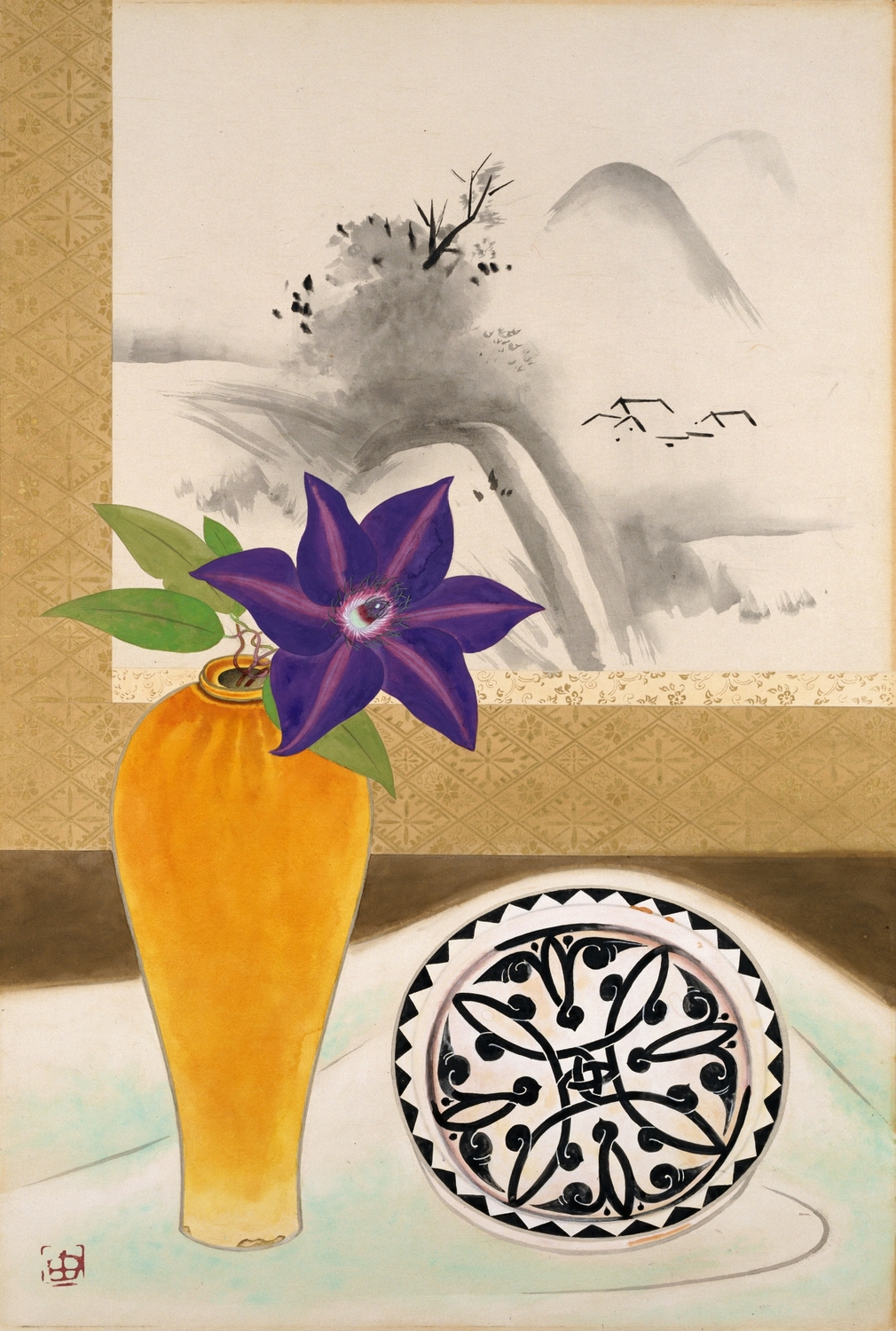
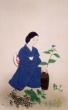

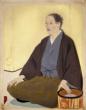
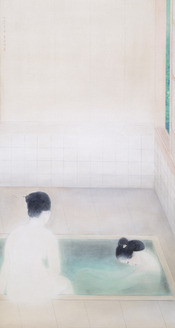


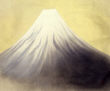
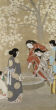
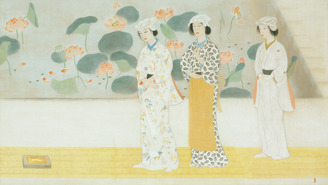
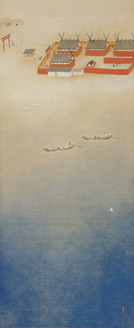
3-1. Works by Yasuda Yukihiko (1884-1978)
Related materials
3-2. Works by Kobayashi Kokei (1883-1957)
Related materials
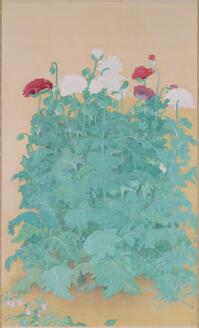
Poppies
<p> 古径の画室の庭に咲く芥子を、濃墨による強い描線の上に薄く何度も色を重ねて描く。大正時代後期の写実主義的な傾向を強く示す作品である。古径は、やまと絵や琳派など、日本の古画を徹底的に研究し、線描の美しさと卓抜した色彩感覚で画面を構成する。 <br /></p>
Apostasy
<p>Three Christian women are being forced to step on a tablet with the crucifixion and renounce their faith. This painting is based on events of the Edo period (1603–1868), when Christianity was banned in Japan.</p>
4. The Challenge of New Yamato-e
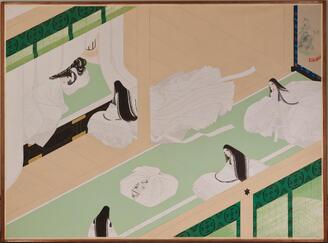
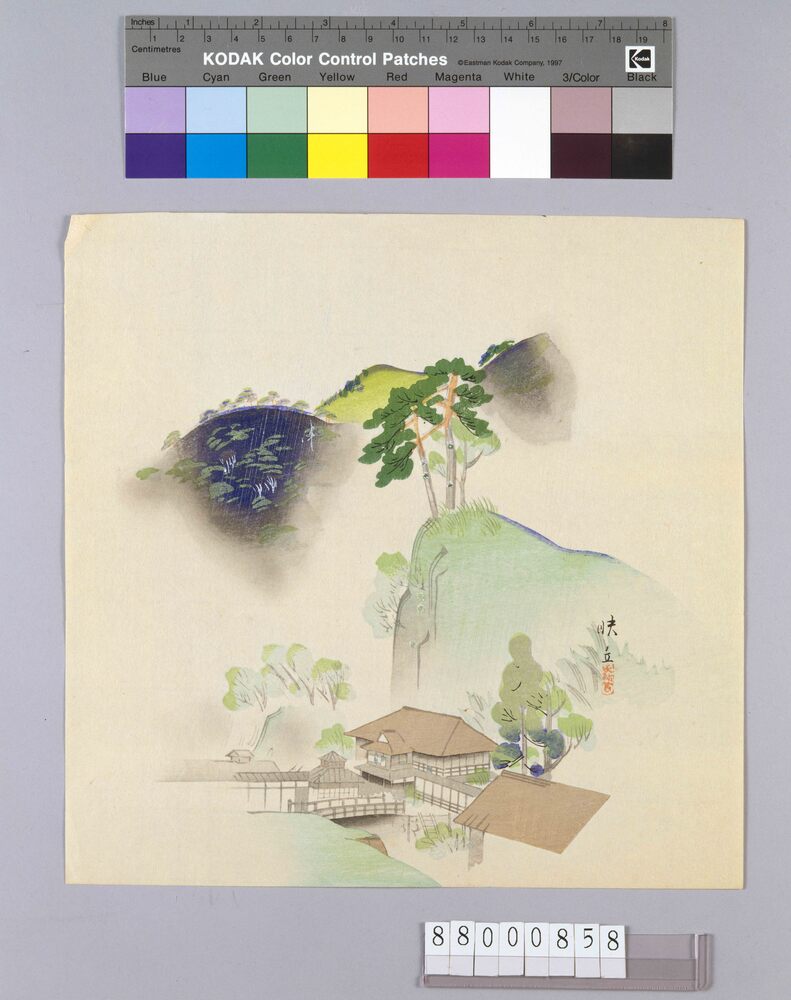
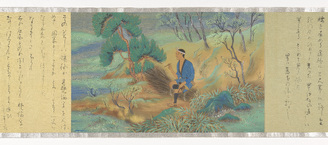
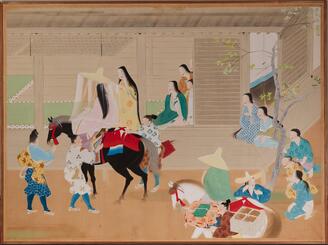
The Imperial Art Academy exhibitions began in 1919, and while paintings with pronounced Western-style expression attracted attention, the number of densely colored works influenced by traditional Yamato-e increased, creating a major force within the Teiten. Matsuoka Eikyu and his students started this new trend. Eikyu gathered his students, including Iwata Masami, Anayama Shodo, Kano Koga, and Endo Kyozo, to form the Emerging Yamato-e Society, which aimed to create a new Yamato-e style suited to modern life.
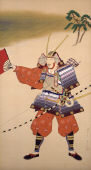
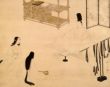





3-2. Works by Matsuoka Eikyu (1881-1938)
Related materials
Blooms in the Early Morning
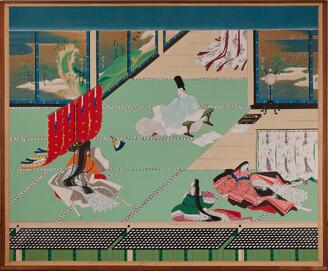
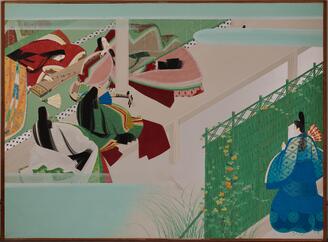
Born in Hyogo prefecture, Matsuoka studied painting with Hashimoto Gaho and Yamana Tsurayoshi, then studied Nihonga at the Tokyo Fine Arts School (now Tokyo University of the Arts). During the Taisho and early Showa eras he was a leader in the New Yamato-e movement, pioneering the development of a neoclassical style of modern Nihonga. This work is a masterful blend of freshness and graceful charm that depicts a contemporary female figure in a classically picturesque manner. Her languid posture and the blue of her kimono are especially striking. The partially visible dresser in the room with its perfume and cosmetic bottles, the roof wet from a recent rain, the scattered cherry-blossom petals and the red camellia flowers—all these elements of the woman's surroundings hint at a story of some sort, subtly stimulating the viewer's imagination.
4-2. Works by artists belonging to the Emerging Yamato-e Association
Related materials

関連文献
- 『近代のやまと絵:古典美の再発見』 岐阜県美術館 1988年
- 『松岡映丘とその系譜展 図録』 姫路市立美術館 1990年
- 『近代画説 : 明治美術学会誌 (通号30) 』 弘文社 2021年
- 日並彩乃「復古大和絵研究史と新興大和絵ー歴史画とイデオロギーの変遷をめぐってー」 『東アジア文化交渉研究 第6巻』 関西大学大学院東アジア文化研究科 2013年
- 日並彩乃「復古大和絵に纏わる「近代性」の言説に関する一考察」 『関西大学東西学術研究所紀要 第49巻』 関西大学大学院東アジア文化研究科 2016年