Database
Databases connected to the Japan Search.
8 databases

Ecological History Bibliography
総合地球環境研究所の研究プロジェクト「アジアの熱帯モンスーン地域における地域生態史の総合的研究:1945-2005」に関する文献のデータベース。

Transcription of the Tale of Genji manuscript book at the Library of Congress
米国議会図書館アジア部日本課が所蔵する『源氏物語』(全54冊、 LC Control No.:2008427768)の翻字本文(電子テキスト)を公表しています。桐壺から夢浮橋までの全54巻を公開しています。
Ecological History Photograph
総合地球環境研究所の研究プロジェクト「アジアの熱帯モンスーン地域における地域生態史の総合的研究:1945-2005」に関する写真のデータベース。

Photographic survey records by Odaka Sennosuke
A database of photographs taken in India, Southeast Asia, and other locations by ODAKA Sennosuke, who was involved in the establishment of the Institute of Art Research and who became a staff member of the institute in 1930. A total of 1,953 items are registered in the database.
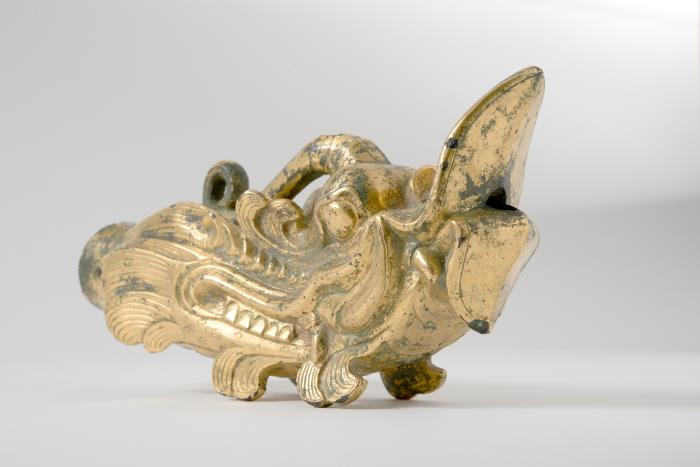
“Sacred Island of Okinoshima and Associated Sites in the Munakata Region” (Okinoshima Votive Offerings)
The Sacred Island of Okinoshima and Associated Sites in the Munakata Region is an exceptional example of cultural tradition of worshipping a sacred island, as it has evolved amidst a process of dynamic oveaseas exchange in East Asia and as it has been passed down to the present day.

Photographic survey records by Wada Shin
A database of photographs taken in the Middle East and other locations from 1929-1930 by WADA Shin, a staff member of the Tokyo National Research Institute for Cultural Properties during its early years. A total of 1,561 items are registered in the database.
Kansai University Digital Archive
The Kansai University Digital Archives provides access to valuable research materials related to East Asian studies held by the Kansai University Library and faculty members of the Kansai University Open Research Center for Asian Studies (KU-ORCAS).
Fukuoka City Museum Collection Database
Fukuoka City Museum opened in October 1990 and its mission was to research Fukuoka’s history and folklore and to share it with the world. Fukuoka is located at the western tip of the Japanese archipelago, close to the Eurasian continent and the Korean peninsula, and has therefore acted as a gateway to foreign interaction. As a result, the people of Fukuoka were the first in Japan to be exposed to other cultures, to develop new production techniques and economic activities, and to overcome unprecedented threats. Therefore, it became, and remains a busy, prospering city. Since its opening, the museum has introduced, exhibited and shared the unique and diverse history of Fukuoka and its people with millions of visitors.