Description
This sculpture represents a horse with a decorative harness featuring bells. As horses became prevalent from the latter half of the 400s to the 500s, more horse-shaped tomb sculptures were made during this period.
Haniwa are unglazed terracotta clay ornaments that were placed on or around the burial mounds of kings and other powerful figures from the 3rd to the 7th century. Horse-shaped haniwa were produced in volume from the mid-Kofun period onwards, particularly in the Kanto region. This was around the time horses first arrived and spread throughout Japan. This haniwa is particularly well-preserved and we can still make out the details of the harness, for example. The horse's mane is brushed up and fastened at the top of the head, while the tail hair is also tied up neatly. The bit mouthpiece has six bells attached on either side, while four larger bells hang down from the chest belt. Three plum-leaf decorations adorn the horse's flanks in three directions. These also have bells attached. The horse also sports a saddle, stirrups, and mudguards. It presents a magnificent sight with all these beautiful adornments.
The trappings on this horse faithfully recreate the trappings commonly found among the burial goods excavated from tumuli from that era. The bells on real trappings were made of bronze and they must have gleamed brightly. This haniwa shows how these horses must have looked as they trotted along with their bells chiming. Such well-groomed and lavishly-attired horses must have made a striking visual and aural impression at that time. They also symbolized the prestige and authority of their powerful owners.
Data source
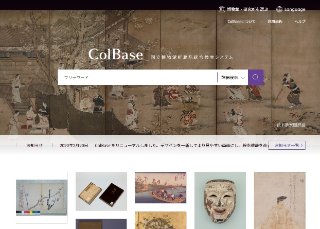
ColBase
"ColBase: Integrated Collections Database of the National Institutes for Cultural Heritage, Japan" is a service that enables a multi-database search of the collections in the four national museums (To...
Contents holder/Provider
Aggregator

National Institutes for Cultural Heritage
The National Institutes for Cultural Heritage (NICH) comprise four National Museums (Tokyo National Museum, Kyoto National Museum, Nara National Museum, and Kyushu National Museum) and two National Research Institutes for Cultural Properties (Tokyo National Research Institute for Cultural Properties, and Nara National Research Institute for Cultural Properties), as well as the International Research Centre for Intangible Cultural Heritage in the Asia-Pacific Region (IRCI) in Sakai City, for a total of seven institutions.
Last updated
August 10, 2026