Description
Karabitsu is a term for storage boxes, especially ones with legs that raise the base above the floor. On top of the lid, and on the body and legs of this box, we can see Chinese phoenixes rendered with thick pieces of turban shell using a decorative technique called raden. For this technique, the inside layers of the shells were removed, cut into the desired shapes, and inlaid into lacquer.
The wings of each phoenix are spread, with the tail feathers curving to form a circle. The empty, lacquered areas within the phoenix motifs are embellished with gold powder, creating the subtle effect of these mythical birds appearing to float above the surface. These bold phoenix motifs seem to emit an elegant glow that combines with the lustrous black lacquer to provide a glimpse of the sophisticated aesthetic tastes of the Heian period. As an aside, this phoenix motif is familiar to many Japanese today as it is used for the logo of the Kabuki theater in Tōkyō’s Ginza district.
Data source
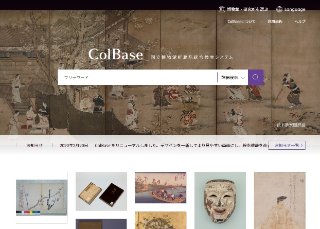
ColBase
"ColBase: Integrated Collections Database of the National Institutes for Cultural Heritage, Japan" is a service that enables a multi-database search of the collections in the four national museums (To...
Contents holder/Provider
Aggregator

National Institutes for Cultural Heritage
The National Institutes for Cultural Heritage (NICH) comprise four National Museums (Tokyo National Museum, Kyoto National Museum, Nara National Museum, and Kyushu National Museum) and two National Research Institutes for Cultural Properties (Tokyo National Research Institute for Cultural Properties, and Nara National Research Institute for Cultural Properties), as well as the International Research Centre for Intangible Cultural Heritage in the Asia-Pacific Region (IRCI) in Sakai City, for a total of seven institutions.
Last updated
May 25, 2026