Description
Haniwa are unglazed terracotta clay ornaments that adorned the tumuli of powerful figures or kings. The almond-shaped eyes, deep-slit mouth, and distinctive nose reveal this to be a boar haniwa. The ridge ranging from the top of the head to the back of the neck represents the mane. The plump neck connects to a stout back tipped with a stubby tail. The design may seem quite simple, but it fully portrays the characteristics of a boar while splendidly conveying a sense of heft. However, a glance at the rear side reveals one unusual feature. Though real boars have cloven hooves located on the front of the legs, the hooves here are represented by semi-circular holes cut diagonally into the backs of the legs. These legs are actually more reminiscent of horse-shaped haniwa. The person who made this may have attached it horse legs by accident.
Wild boar haniwa were often placed in kofun with dog haniwa to portray a scene of hunting. Dog haniwa were also found in the same tumulus as this boar. Though this boar may look adorable, the expressions convey the tension and fear of a boar pursued by the howls of chasing hounds. This haniwa was made during the late-kofun period. At this time, tumuli were decorated with a variety of scenes, with traditional house and tool-shaped haniwa now joined by haniwa resembling humans and animals, for example. These scenes are thought to depict funerary rites or the previous lives of the deceased.
The boar's features are well rendered, including its almond-shaped eyes and mane on the back.
Data source
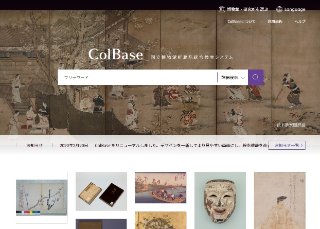
ColBase
"ColBase: Integrated Collections Database of the National Institutes for Cultural Heritage, Japan" is a service that enables a multi-database search of the collections in the four national museums (To...
Contents holder/Provider
Aggregator

National Institutes for Cultural Heritage
The National Institutes for Cultural Heritage (NICH) comprise four National Museums (Tokyo National Museum, Kyoto National Museum, Nara National Museum, and Kyushu National Museum) and two National Research Institutes for Cultural Properties (Tokyo National Research Institute for Cultural Properties, and Nara National Research Institute for Cultural Properties), as well as the International Research Centre for Intangible Cultural Heritage in the Asia-Pacific Region (IRCI) in Sakai City, for a total of seven institutions.
Last updated
June 29, 2026