Description
Once the greatest silver mine in the world, Iwami Ginzan Silver Mine is situated in Oda City of Shimane Prefecture, facing the Sea of Japan. A silver deposit was found in Iwami at the beginning of the 14th century, and full-scale mining started in the 16th century, led by a trade merchant named Kamiya Jutei. In 1533, Kamiya introduced the refining technique of cupellation from Korea, and silver production increased dramatically. However, life was harsh and short for the miners, and many temples were built to console the spirits of those who died. Particularly notable is Rakanji Temple, which has 500 statues of rakan (arhat in Sanskrit), Buddhists who have achieved Enlightenment and will no longer suffer through endless reincarnation. The tortured expressions on some of the stone statues suggest that the miners’ spirits did not rest easily. During its peak in the first half of the 17th century, the mine was producing approximately 38 tons of silver every year. One-third of the world’s silver circulating at the time was from Japan, and most of it came from Iwami. It is said that at one time, around 250,000 people either worked at or supported the mine. Silver from Iwami was known to be of the highest quality, and was called “Soma Silver,” taking the name of the village where the mine was located. Due to its enormous economic value, the silver mine was often fought over by neighboring warlords, but the Tokugawa shogunate eventually took control. After producing silver for almost 400 years, the mine was closed in 1923. Nearly 1,000 mining tunnels have been found, but only two are open to the public today. The Iwami Silver Mine Museum in the nearby town of Omori describes in detail the dangerous conditions and mining techniques used by generations of miners here. Omori also preserves the homes of those who grew wealthy due to the mine: government officials, samurai, and merchants. The Iwami Ginzan Silver Mine and its Cultural Landscape was listed as a UNESCO World Heritage Site in 2007, but the town of Omori had been protected since 1987 as an Important Preservation District. The well-preserved buildings such as former magistrate’s offices, temples, shrines, and residences of merchants and samurai give a sense of what the town was like when it prospered hundreds of years ago.
Data source
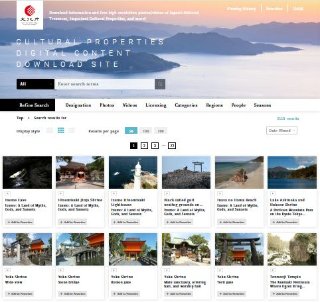
Cultural Properties Digital Content Download Site
Download information and free high-resolution photos/videos of Japan's National Treasures, Important Cultural Properties, and more!
Last updated
March 25, 2026