Jump to main content
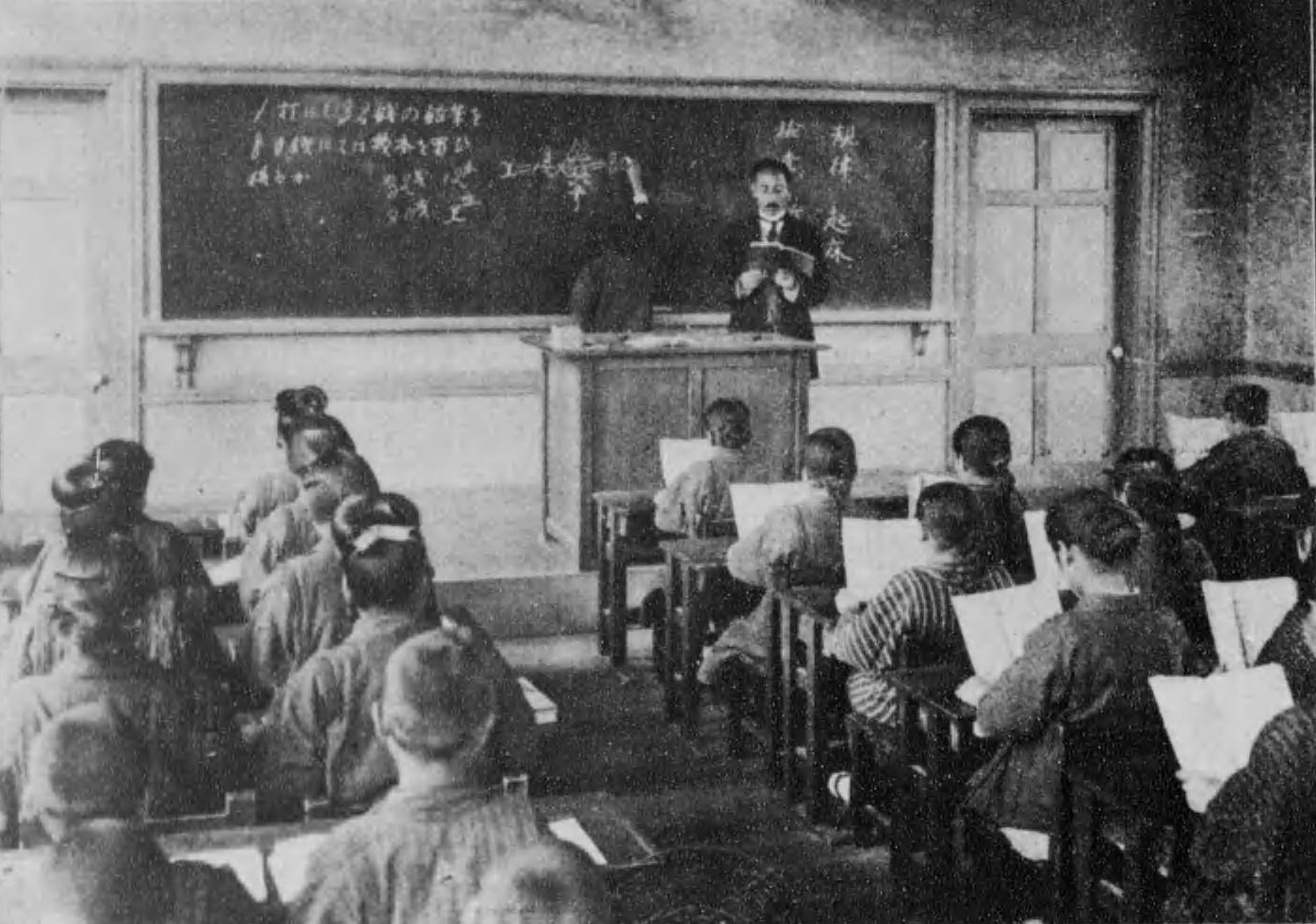
東京市養育院年報. 第50囘(大正10年度) / 国立国会図書館デジタルコレクション

In addition to his involvement in corporate management, Shibusawa also devoted himself to the promotion of social welfare and education. Shibusawa was involved in approximately 600 social and public works projects.

Social welfare works

Tokyo Yoikuin was established in 1872 (Meiji 5) to support the needy in Tokyo. Shibusawa became administrative director of Yoikuin in 1874 (Meiji 7) and then director in 1876 (Meiji 9), and remained in this position until his death at the age of 92, making a great contribution to the management of Yoikuin. The image is a foreground view of the Itabashi Main building. A bronze statue of Eiichi Shibusawa can be seen.

Yoikuin was relocated and newly built in Itabashi-cho, Tokyo (currently Itabashi-ku, Tokyo) in 1923 (Taisho 12). The image is a bird's-eye view of the Itabashi main building.
The Imperial Gift Foundation Saiseikai was established in 1911 (Meiji 44) with a donation from Emperor Meiji for the purpose of providing medical care for the poor. In addition to making a large donation, Shibusawa became an advisor and councilor of Saiseikai. The image is a photo taken when Empress Teimei (Empress of Emperor Taisho) visited Saiseikai Shiba Hospital.

Education

Shoho Koshujo (Japan's first commercial college), the predecessor of Hitotsubashi University, was established in 1875 (Meiji 8) under the leadership of Arinori Mori and Yukichi Fukuzawa. Shibusawa agreed with the founding spirit of the school and the educational policy of Principal Jiro Yano, and supported the school's management as a member of the management committee.

Okura Kihachiro (1837-1928) established Okura Shōgyō Gakkō (Okura Commerce School, later known as Okura High School of Commerce, Tokyo Keizai University) as a commemorative project for his 60th birthday and silver wedding anniversary. As one of the council members, Shibusawa was instrumental in opening the school.

Shibusawa agreed with Naruse Jinzo's (1858-1919) views on women's education and supported the establishment of Japan Women's University in 1901 (Meiji 34). In 1931 (Showa 6), Shibusawa became the third principal of Japan Women's University (died in November of the same year at the age of 91).

Above is a group photo of the first graduates of Japan Women's University. When the school opened in 1901(Meiji 34), students ranged in age from 18 to in their mid-30s, and had a variety of backgrounds, including teaching experience.
  • In 1886 (Meiji 19), Shibusawa became a member of the founding committee of the Society for the Promotion of Education for Women (chaired by Ito Hirobumi). When the Society opened Tokyo Jogakukan in 1888 (Meiji 21), Shibusawa successively served as accounting director, president, and chairman of the board of directors.

  • 二松学舎 編,二松学舎

    Shibusawa deepened his understanding of the Analects through his interaction with Mishima Chushu (1830-1919), the founder of Nishimatsu Gakusha. In 1919 (Taisho 8), Shibusawa became the president (board chairman) of Nishimatsu Gakusha, and devoted himself to the development of sinology studies.