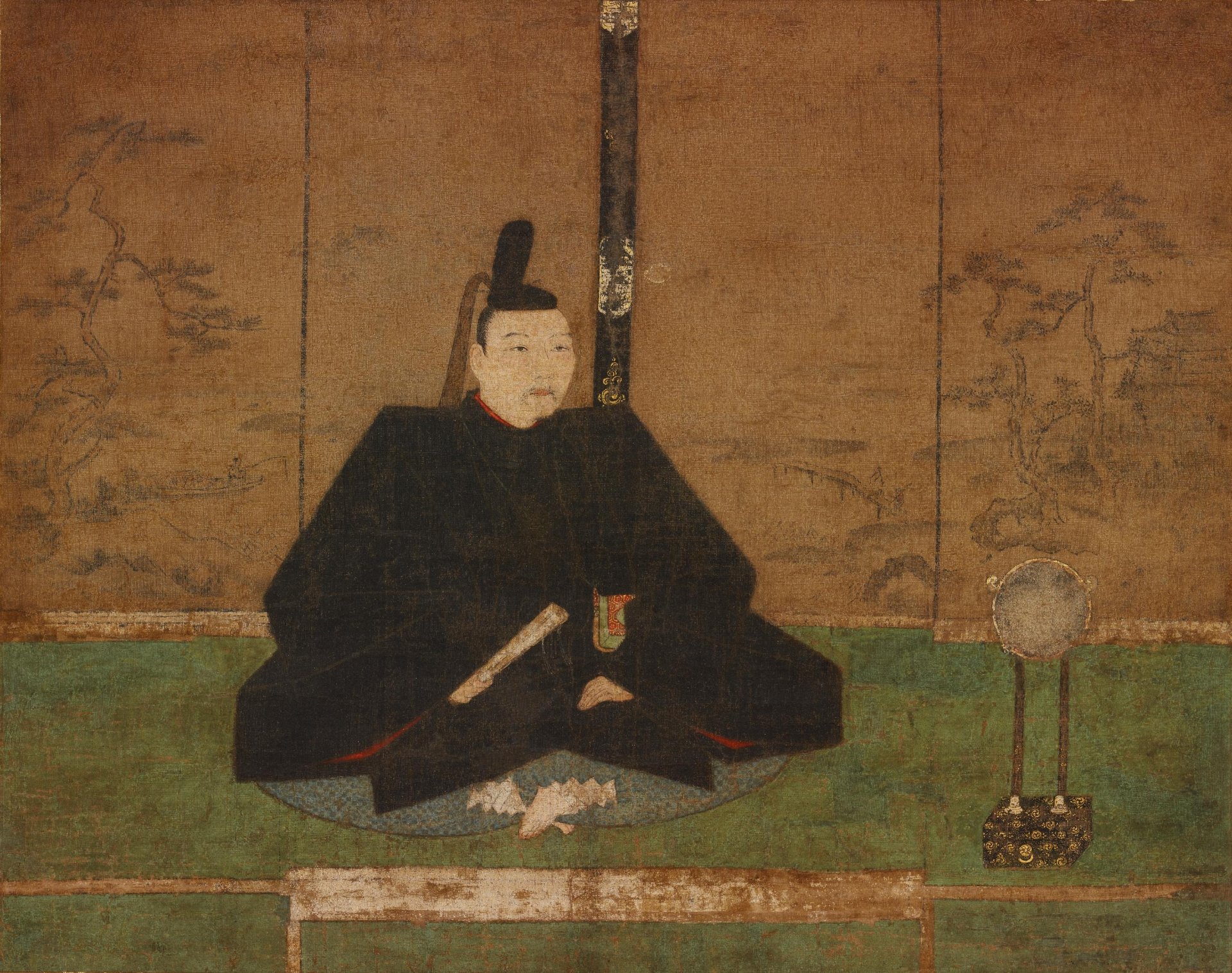
Yoshimasa Ashikaga
The eighth shogun of the Ashikaga Shogunate in the Muromachi period; constructed Ginkaku Temple and was a patron of Higashiyama Culture
1436–1490
Yoshimasa Ashikaga, the eighth shogun of the Ashikaga Shogunate, reigned from 1449 to 1473 during the Muromachi period. The son of the sixth shogun, Yoshinori Ashikaga, he was born as Yoshishige Ashikaga. He succeeded his older brother, Yoshikatsu, as shogun upon his brother’s untimely death in 1449. In 1450 he became a Buddhist novice, taking the Buddhist name Dotei. He assumed the name Yoshimasa in 1453. His wife was Tomiko Hino. During his reign, conflicts emerged among clans supporting the bakufu and also among powerful samurai in the regional provinces kuni across Japan; peasants demanded cancellation of debt in the Tokusei Ikki uprising; and pestilence and starvation were prevalent with the great famine of the Kansho era (1461–1466). Yoshimasa had initially adopted his younger brother, Yoshimi, to provide an heir. However, a dispute over succession erupted when his wife Tomiko gave birth to a son, Yoshihisa. The dispute was aggravated by a split between bakufu leaders Katsumoto Hosokawa and Sozen Yamana and between the powerful Shiba and Hatakeyama clans. The conflict divided the bakufu and led to the Onin War (1467–1477). In 1473, with the war still raging, Yoshimasa declared the eight-year-old Yoshihisa shogun and retired to a refined life of arts, leisure, and feasts. He built a mountain villa in the Higashiyama area of Kyoto. He also erected Ginkaku Temple, modeled after Kinkaku Temple, which was built by, Yoshimitsu, the third shogun of the Ashikaga Shogunate. In 1483 Yoshimasa moved into the Ginkaku Temple. In 1485 he entered the priesthood, taking the Buddhist name Jishoin Kizan Dokei. During Yoshimasa’s reign in particular, arts such as ink and wash painting, linked-verse poetry, Noh, tea ceremony, and upright-flower (rikka) style of flower arrangement blossomed as a result of influences from Zen Buddhism and Ming literati culture, giving rise to what is now called Higashiyama Culture.
Related People, Things and Events
Books
足利義政の定数歌を集成 した歌書。寛正三年百首、文明元年百首、文明四年百首、文明十 三年百首、文明十七年五十首、文明十七年百首の6種(550首)を収める。掲出は、慶應義塾図書館所蔵の江戸前期写本。
武家故実書。『東山殿年中行事』ともいい、足利義政時代の幕府年中行事について記す。安藤(安東)政藤著。成立は不明だが、政藤は文明18年(1486)に申次衆に列しており、その頃のものか。掲出は国会図書館所蔵本で、江戸後期の俳人萩原乙彦、明治・大正期の官僚で蔵書家で知られた渡辺千秋の蔵書印が見られる。
巻子本。足利氏一門で守護職の一色氏にあてた所領充行状などを収める。「冑山(かぶとやま)文庫」所収。掲出は、長禄4年(1460)9月26日の足利義政の所領充行状。宛名は、一色藤長と思われる。「越中國宮川莊事、所充行一色七郎政熈也、者早守先例、可致沙汰之状、如件、長祿四年九月廿六日」。冑山文庫は、貴族院議員で、国学者・考古学者でもあった根岸武香(1839-1902)の収集書。昭和6年(1931)国立国会図書館に寄贈された。
足利義政の書写と伝える「拾遺和歌集」。一冊。奥書によると、藤原定家が祖父の自筆本を一字も違えずに書写して校点を加え、更に藤原為秀が自家に伝えられた一本を以って写書校合して証本として伝えた本を足利義政が書写したものという。
慈照寺銀閣寺の東求堂に掲げられた扁額。足利義政の真筆。『集古十種』は、松平定信編纂の古宝物図録集。鐘銘、碑銘、兵器、銅器、楽器、文房、扁額、印章、法帖、古画の10種について集大成したもの。
武家故実書。義政の長禄期(1457-1460)以降における、申次衆が関与した将軍一年間の御対面の次第を記したもの。奥書によれば、大館伊予守尚氏が永正6年(1509)4月に安藤右馬助政藤の後継である平六の求めに応じて作成した。掲出は九州大学附属図書館所蔵本。宇土細川家の旧蔵書で、細川幽斎自筆本の写し。
座敷飾りの秘伝書。『御飾書』、『東山殿荘之書(ひがしやまでんそうのしょ)』ともいわれ、相阿弥(そうあみ)こと松雪斎鑑岳(かんがく)真相が相伝のため筆写、伝授したもの。内容は足利義政邸(東山殿)の常御所(つねのごしょ)や会所、足利義尚(よしひさ)の小川邸などの座敷飾りの詳細である。『群書類従』所収本の奥書によれば、大永3年(1523)の成立。相阿弥は能阿弥の孫にあたり、父祖に続いて唐物奉行の同朋衆となり室町将軍に仕えた。
書名は「五月雨之記」「東山殿御香合」ともされたようである。
文化6年(1809)写。この家紋集は「見聞諸家紋(けんもんしょかもん)」ともよばれ、応仁・文明頃の成立かとされる。261の図形(重複あり)とともに使用する武家名などが採録される。
銀閣寺東求堂の茶室。中世における、数少ない初期書院造の遺構で、足利義政の創意により、後の四畳半茶室の起源とされる。国宝。
「慈照院」の印のある、足利義政所持本の一冊。唐の詩人李賀(長吉)の詩集『唐李長吉歌詩』の写本。
大正3年(1914)刊、東京。「足利義政と其時代」「風流なる義政」「義政の土木」「義政と明」など(目次より)。
大正14年(1925)刊、東京。「足利義政の寵嬖政治」「義政の驕奢」「義政の後半生」「義政の外交」「東山時代の文学 」など(目次より)。
昭和9年(1934)刊、東京。「足利将軍義政の居館」「河原者善阿彌と孫又四郞附風水説」「足利義政の観たる庭園 」など(目次より)。
Related Works
足利義政像(松平定信編『古画類聚』肖像、寛政7年) 古画類聚は一種の絵引き、諸物の百科全書として編纂され、奈良時代以来の肖像画や絵巻、神像などの彫刻の図様を写しとり、主題別に分類する。 東京国立博物館 研究情報アーカイブズ
松平定信が編纂した古宝物図録集『集古十種』の「古画肖像一」による、足利義政像(山城国五條八幡宮蔵)。
足利義政肖像。野村文紹は、谷文晁(1763 - 1840)晩年の弟子とされる。
「鎗の鞘」とともに、名物古瀬戸茶入の双璧と称される。足利義政、義昭、織田信長を経て豊臣秀吉に伝わり、天正十二年(一五八四)小牧長久手の戦いの和議の際、秀吉から家康に贈られ、更に初代義直に譲られた。「横田」は所有者の名と思われるが不明である。大振りで背の高い寸胴形で、胴の中ほどに斜めに大きな箆痕がある。総体に渋紙釉がかかり、梨子地状に銀色に発色する斑点が無数にあり、荘重な味わいの中に華やかさを含んでいる。花兎文古金襴(角倉金襴類裂)の仕覆が付属する。
Ashikaga Yoshimasa (1436-90) was the eighth shogun of the Muromachi military government. Born to the sixth shogun, Yoshinori, he was named Mitsuhari in childhood. In 1446, Emperor GoHanazono bestowed upon him the new name of Yoshishige, which was changed to Yoshimasa in 1453. He lost his father in the Kakitsu Rebellion and since his older brother, Shogun Yoshikatsu (1434-43), died young, Yoshimasa, only 8, was sworn in to head the Ashikaga Family. During his administration, a dispute over the shogun’s successor erupted between Yoshimasa’s younger brother Yoshimi (1439-91) and his son Yoshihisa (1465-89), which escalated into the Onin War, a civil war that devastated the capital. Already disenchanted by politics, Yoshimasa abdicated and handed over the shogun’s title to his son (1473) and retired to a mountain hut he had built in Higashiyama, Kyoto. Thereafter, he was called the “Lord of Higashiyama.” Although an irresponsible shogun, his deep interest in the arts contributed to advances in renga, Noh theater, tea ceremony, and other cultural pursuits, collectively termed “Higashiyama Culture.”Yoshimasa’s hand is noble and composed, befitting one of the most sophisticated souls of the time. He studied waka and kemari (football) under Asukai Masachika, whose influence can be seen in the tanzaku shown here. The poem is written on lavishly decorated paper with depictions of plants and flowers in silver and gold dust. The title “Laudations for God” is written by a different hand.
「古筆手鑑 毫戦」東山殿義政公・常徳院殿義尚公
義政花押(足利義政御判御教書、文明元年、土佐家文書巻のうち)
法隆寺宝物。
享徳2年(1453)12月27日付の御教書。御教書は、鎌倉幕府・室町幕府の執権・管領が将軍の意を奉じて出した形式の文書。
長禄2年(1458)3月5日付の御教書。御教書は、鎌倉幕府・室町幕府の執権・管領が将軍の意を奉じて出した形式の文書。
長禄4年(1461)12月14日付の御教書。御教書は、鎌倉幕府・室町幕府の執権・管領が将軍の意を奉じて出した形式の文書。
足利義政御教書(室町時代、長禄2年)
康正1年(1455)美濃国遠山庄の地頭職を遠山左京進景勝とする文書。
室町時代、15世紀。感状は、武将が戦功のあった者に対して与える賞状。
室町時代、長禄2年(1458)。室町幕府将軍足利義政が、反逆した古河公方足利成氏(しげうじ)の討伐を白河顕朝に命じたもの。軍勢催促状ともいう。各地の武将に同時に送られたため小型で大量に製作が可能となる小切紙という形態をとる。命令を受けた武士たちは将軍のために「御敵」と戦うことになる。
大永8年(1528)。応仁2年(1468)5月7日に室町殿の当座歌会が催された。
歌川国芳(くによし、1798 - 1861)は江戸時代末期の浮世絵師。
歌川芳虎(よしとら、生没年不詳)は江戸時代末期から明治時代中期にかけての浮世絵師。
Cultural Properties of Japan
Videos
Institutions Holding Related Materials
室町幕府八代将軍の足利義政によって造営された山荘東山殿を起原とし、義政の没後、臨済宗の寺院となり義政の法号慈照院にちなんで慈照寺と名付けられた。
NHKによる学校向け放送番組のウェブサイト、NHK for Schoolのコンテンツの一つ。