Jump to main content
/

Japanese literature from antiquity through the middle ages

Birth and development of Japanese literature

It is assumed that Chinese characters (kanji) were introduced into Japan sometime around the first century. The utilization of Chinese characters gradually advanced from the mid-fifth century through the sixth century. Buddhism was introduced from the sixth through the seventh century, and the large volume of Buddhist scriptures brought to Japan led to an increase in the number of people who learned to read and write Chinese characters through the process of copying sutras. This is how Japanese written culture was born.

             Even before that, however, Japan had diverse local oral traditions in the form of holy poetry and prose, songs, and myths performed at festivals. This was spread and preserved by word of mouth. These oral traditions were collected and, upon a proposal by Emperor Tenmu, compiled into Kojiki (“Records of Ancient Matters”) and Nihonshoki (“The Chronicles of Japan”), a process that spanned the Asuka period (592–710) and the Nara period (710–794). Moreover, this era saw the development of waka, a type of poetry structured in a set form that originated in Japan, and the creation of the Manyoshu (“Collection of Ten Thousand Leaves”), the oldest existing anthology of Japanese waka.

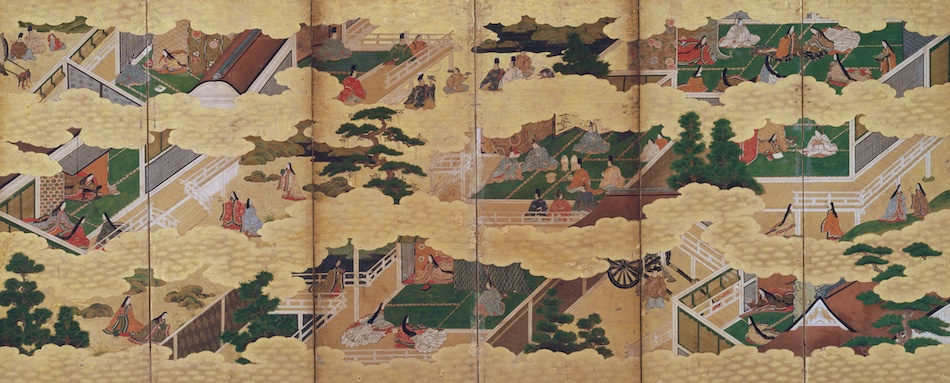
             During the Heian period (794–1185), an original phonetic kana script was created using a process of simplification of Chinese characters, and a variety of Japanese literary genres flourished, including the monogatari (narrative) genre best represented by the novel Genji Monogatari (“Tale of Genji”). From the Kamakura period (1185–1333) onward, political power started shifting from the aristocracy to the warrior class. This destabilized the political situation, plunging Japan into war. This social upheaval had enormous impact on literature, leading to the birth of gunki monogatari (war tales), a genre focused on the subject of war, and hermit literature, written by Buddhist monks.

Literature of the Asuka period (592-710) and Nara period (710-794)

現存日本最古の歴史書と和歌集の成立

飛鳥時代、天武2年(673)に即位した天武天皇は、兄・天智天皇が着手した律令制度にもとづく天皇を中心とした中央集権国家の完成に向け、さまざまな政策を推進した。その中で、天武10年(681)に律令の編纂とともに開始されたのが、歴史書の編纂事業である。これは、皇室や諸士族、民間に伝わる伝承を整理し、正しく後世に伝えることが目的とされたもので、また、天皇統治の正当性を歴史的に証明しようとする意図があったと考えられる。歴史書編纂事業は、天武天皇の崩御により中断されたが、後継者によって引き継がれ、奈良時代、和銅5年(712)に『古事記』、養老4年(720)に『日本書紀』として実を結んだ。この2つの書物はそれぞれに体裁は異なるが、いずれも神代から書き始められ、『古事記』は推古天皇、『日本書紀』は持統天皇の時代までの神話・伝説・歌謡を含めた日本の歴史について記述されている。また、この時代、古代歌謡から派生した日本固有の定型詩「和歌」が発達し、現存日本最古の歌集『万葉集』が成立した。『万葉集』は、全20巻に約4500首の作品が収められ、編纂には大伴家持が関与したとみられている。漢字を表音文字として用い、日本語を表現する「万葉がな」で表記されており、収録作品の制作年代は、5世紀頃から天平宝字3年(759)までとされるが、舒明天皇(629年即位)以前の作は伝誦歌のため実際の年代は明らかではない。歌の作者は、皇族、貴族から庶民まで幅広く、収録地域も日本全国にわたる。

650794
古事記
日本書紀
万葉集
古事記
712年に成立

かきもとのひとまろ。7世紀後半に活躍した『万葉集』の代表的歌人。天武朝から文武朝にかけて宮廷に仕えた歌人であったと見られ、『万葉集』第一の歌人である。後世、「歌聖」として、さらには「歌神」としてあがめれられた。

Kojiki and Nihon Shoki are compilations of Japanese narrative history and myths, which were compiled during the Nara era.

Japan's oldest collection of poetry, compiled in the Nara period

おおとものやかもち。奈良時代の官人、歌人。地方、中央の諸官を歴任。『万葉集』末期の代表歌人で、『万葉集』編纂者の一人と言われる。『万葉集』への収録作品は長短歌合わせて約480首で最多。

Literature of the Heian period (794-1185)

かな文字の誕生と国文学の発達

平安時代初期は、奈良時代に引き続き唐風文化が積極的に摂取された時代であった。漢詩文が宮廷社会の公的な文学としての地位を確立し、『凌雲集』をはじめとした3つの勅撰漢詩集が編纂される。しかし、寛平6年(894)に遣唐使の派遣が廃止されると、大陸の文化の流入が途絶え、日本の風土や美意識に適った国風文化が醸成されようになった。言語の分野では、日本語をより正確かつ簡便に表記するため、中国の漢字を簡略化した音節文字「かな文字」が生み出され、急速な発展を遂げる。かな文字の普及によって、日常語による自由な表現が可能になると、日本の文学は飛躍的に発達。9世紀末から10世紀には、現存日本最古の物語『竹取物語』や和歌を中心に据えた歌物語『伊勢物語』などの物語文学、紀貫之が土佐から京までの旅を綴った『土佐日記』などの日記文学などが成立した。そして、摂関政治が最盛期を迎えた10世紀末から11世紀にかけて、後宮を中心とした女流文学が開花。11世紀初頭には、一条天皇の中宮(妃)彰子に仕えた女流作家、紫式部の手によって、日本古典文学の最高峰とされる『源氏物語』が執筆された。一方、詩歌の分野では、国風文化の高まりの中、日本古来の詩歌の形式である和歌が再興し、延喜5年(905)、醍醐天皇の勅命による、最初の勅撰和歌集『古今和歌集』が誕生。計20巻に、8世紀末から10世紀初頭までの約1100首がおさめられており、代表的な歌人には、在原業平、小野小町ら「六歌仙」が挙げられる。

8801150
源氏物語
伊勢物語
枕草子
竹取物語
古今和歌集
土佐日記
今昔物語
和漢朗詠集
狭衣物語
更級日記
源氏物語
11世紀初頭に成立か

A Heian-period poet legendary as a handsome man with a free spirit, he is one of the Six Poet Immortals and one of the Thirty-six Poet Immortals

A legendary beauty and female poet of the Heian period, counted among the Six Poet Immortals and Thirty-six Poet Immortals

A tale about Princess Kaguya, said to be Japan's oldest work of fiction

A mid-Heian period poem-tale structured as a biography thought to be of the poet Ariwara no Narihira

Japan's first imperial anthology of Japanese poetry, completed early in the Heian period

承平5年(935)ごろ成立した、紀貫之作による日記文学。土佐守の任を終えた貫之が任地を出発し、京都へ帰着するまでの55日間の旅を記す。作者は自らを女性に仮託して、かな文で日記を綴る。かな文による散文文学の先駆的作品。

A representative poet of the Heian period who elevated the literary and artistic merit of waka

Makura no Soshi (The Pillow Book) is Japan’s first example of essay literature. The author, Sei Shonagon, served Empress Teishi, the consort of the Emperor Ichijo. The Pillow Book gave readers a racy description of court life.

平安中期の女性文学者。生没年未詳。一条天皇の中宮・藤原定子に仕え、同時期に活躍した紫式部と並び称された。宮廷生活の体験や感想を記した随筆『枕草子』を執筆。家集に『清少納言集』。

いずみしきぶ。平安中期の女流歌人。生没年不詳。和泉守橘道貞と結婚し小式部内侍を産む。また、為尊親王、敦道親王と恋愛、藤原保昌と再婚。技法を駆使した情感溢れる歌を詠み、『拾遺和歌集』など勅撰集に多数収録されている。『和泉式部日記』『和泉式部集』がある。

Genji Monogatari is a Japanese imperial tale written by Murasaki Shikibu during the Heian era. This fabulous story about Hikaru Genji, a royal prince, inspired many works of art.

A Heian period female author who produced Japan's oldest epic novel, The Tale of Genji

長和2年(1013)ごろに成立した歌謡集。藤原公任撰。2巻。当時流行していた、和歌や漢詩に曲節をつけてうたう「朗詠」用として撰集された。勅撰和歌集や『白氏文集』などから、朗詠に適した和歌約220首、漢詩約590首を収録。

平安時代後期に成立した説話集。31巻に1000余の説話をおさめる。編者未詳。天竺(インド)・震旦(中国)・本朝(日本)の三部からなり、それぞれ仏法・世俗の2篇に分かれている。

平安後期に成立した歴史物語。作者不詳。藤原氏の栄華を中心とした、文徳天皇から後一条天皇の時代(850年~1025年)の歴史について、大宅世継と夏山繁樹という2人の老人が語るという対談形式で描く。

A poet of the late Heian period; he forsook his life as a warrior to become a monk, travel across Japan, and create his own style of poetry

Literature of the Kamakura period (1185-1333)

戦乱の世、軍記物語・隠者文学の時代

源頼朝が鎌倉に幕府を開くと、政治の実権は武士に移り、貴族政権はその力を失った。このような状況下で即位した後鳥羽天皇は、かつて栄華を極めた王朝文化へ強い思慕を抱き、その象徴ともいえる和歌の推進に尽力した。多くの歌会や歌合を催し、『古今和歌集』にならった勅撰和歌集『新古今和歌集』を自ら監修し、完成させている。『新古今和歌集』を代表する歌人として、同歌集の撰者の一人でもある、藤原定家が挙げられる。現代では、『小倉百人一首』(原形は『小倉山荘色紙形和歌』 の撰者としても知られる定家は、父・藤原俊成が主導した新しい和歌の動きを引き継いで、鎌倉初期の歌壇を牽引。また、『伊勢物語』『源氏物語』などの古典の校訂・研究にも取り組み、その功績は後世の日本文学に大きな影響を与えた。源平の争いから長く戦乱の世が続いた鎌倉時代、平安時代の雅な文学に代わって登場したのが勇壮な軍記物語である。軍記物語は、合戦を主題として、時代の変化を描いた叙事文学で、保元の乱・平治の乱を描いた、『保元物語』『平治物語』、平清盛を中心とする平家一門の興亡を描いた『平家物語』などがある。これらの作品は、いずれもその作者が明らかではなく、琵琶法師や物語僧らに語られることによって広く社会に流布した。また、激動する時代にあって、出家という形で社会から離脱して隠者となった者もいた。彼らによって紡がれた文学は隠者文学と呼ばれ、代表的な作品に、鴨長明『方丈記』、吉田兼好『徒然草』などがある。

11851333
新古今和歌集
方丈記
宇治拾遺物語
徒然草
平家物語
新古今和歌集
1205年成立

元久2年(1205)に成立した、8番目の勅撰和歌集。20巻、約2000首。後鳥羽院の院宣により、源通具・藤原有家・藤原定家・藤原家隆・藤原雅経が撰者とされた。同時代、もしくはやや前の時代の歌人の歌を中心に収録。

A literary work of the early Kamakura period in which the author, in his small hut, ruminates about the transient nature of the world and his way of living

うじしゅういものがたり。鎌倉初期の説話集。15巻。編者不詳。承久3年(1221)ごろの成立と見られる。和文体で記され、仏教説話、民間説話などを197編を収める。『今昔物語集』と共通する話も多い。

Shokado Shojo (1584-1639) was a Shingon Sect abbot of the early Edo Period. “Shojo” is a Buddhist name; his real name was Nakanuma Shikibu, but he sometimes called himself “Seisei-Oh” in old age. He joined the Shinto-Shingon Buddhist shrine of Iwashimizu Hachimangu, or Mt. Otokoyama (Mt. Otoko) Hachiman Shrine, near Kyoto to start religious training under the Reverend Takimoto-Bo Jitsujo and succeeded his mentor after his demise. Later, Shojo left the archbishop’s post to his disciple Jojun (the son of Shojo’s own brother, Nakanuma Sakyo) and retired to live a life dedicated to art and literature in the Shokado (lit. “Pine and Flower Hut”) that he had erected on the shrine compounds, hence his literary pseudonym. Associating with the educated and high-society members among his contemporaries, such as Regent Konoe Nobuhiro (1599-1649), Kobori Enshu (1579-1647), Ishikawa Jozan (1583-1672), Kozetsu Sokan (?-1643) and Takuan Soho (1573-1645), Shojo was one of the top-rate men of culture. Though trained by Princely Priest Soncho (1552-1597) of the Shoren-In School of calligraphy, Shojo was soon attracted to the Daishi School originated by the ancient religious leader Kobo Daishi Kukai (774-835). Some years later, Shojo developed an elegant and chic style of his own, departing from the Shoren-In School foundation. Hailed as the Shokado School, or Takimoto School, Shojo’s own style became a fad among calligraphy aficionados and students. Being a Buddhist priest, Shojo naturally had many occasions to see hanging scrolls decorating tea rooms, often at tea ceremonies. He was particularly attracted to the works of Zen priest painter Muqi (Jp: Mokkei) of China’s Sung Dynasty. The portrait drawing of Fujiwara-no-Toshinari (also Shunzei, 1114-1204) was made by loyally following the tradition of depicting Taoist and Buddhist saints. Toshinari is depicted as a seeker of Buddhism, which he turned to in old age. Although the brushstrokes run in a simple manner, it still portrays the ancient poet who was revered through the centuries as “a demigod of poetry.” The cited poem was composed by Toshinari when he was browsing ancient poems, when he was appointed (1183) to select pomes for the imperial Anthology of Japanese Poems of a Thousand Years (Jp: Senzai Wakashu), commissioned by the Retired Emperor GoShirakawa (1127-1192). Toshinari’s poem appears in Chapter 18 of the New Collection of Ancient and Modern Japanese Poems (Jp. Shin Kokin-Wakashu).

A collection of the best poems, one poem each, of 100 poets, especially the Ogura version

平安末期に起こった保元の乱・平治の乱の経緯を描いた軍記物語。いずれも作者は不詳だが、鎌倉初期に原型が成立したと考えられ、力強い和漢混交文で描写されている。

Heike Monogatari, or The Tale of Heike, is a war chronicle that narrates the rise and fall of the Taira clan.

Along with Makura soshi (Pillow Book), one of the two best classic collections of Japanese miscellaneous essays

Poet considered the best of Japan’s medieval period, who pursued an aesthetics of beauty in waka poetry

A Kamakura-period emperor skilled in literary and military arts, who was exiled to the Oki Islands after causing the Jokyu disturbance with his opposition to the Shogunate

A treatise on poetry by Emperor Gotoba of the early Kamakura period, consisting of 7 rules and critiques of 15 poets

Literature of the Nanboku-cho period (1337-1392), the Muromachi period (1336-1573), and the Azuchi-Momoyama period (1573-1603)

能の大成と連歌の流行

南北朝時代以降も鎌倉時代に続き、合戦など歴史に取材した軍記物語や歴史物語が生まれている。代表的なものとして、南北朝の対立や足利幕府の成立などを描いた『太平記』、源義経の生涯を扱った『義経記』、後鳥羽天皇の生誕から後醍醐天皇の隠岐からの還幸までの歴史をまとめた『増鏡』などがある。室町時代に入り、南北朝合一を果たした第3代将軍・足利義満は、応永元年(1394)将軍職を義持に譲ると、京都の北山に山荘を造営し、金閣寺(鹿苑寺)を建てた。この北山殿を中心に展開された文化を「北山文化」と呼ぶ。伝統的な公家文化と新興の武家文化を融合させると同時に、中国の禅宗の影響を受けた北山文化は、水墨画・五山文学・立花などさまざまな芸術を発達させた。芸能面では、義満の同朋衆、観阿弥・世阿弥が猿楽に曲舞などの要素を加えた能を大成。能の脚本は謡曲と呼ばれ、民間伝承や古典文学などを素材にしたものが多く、和歌や漢詩文を引用し、縁語・掛詞を駆使した流麗な七五調で、幻想的かつドラマティックな物語世界を構築している。その文学的な価値は高く、近世以降の日本の文学や芸能に多大な影響を与えた。また、この時代、和歌から派生した詩歌の一形態である「連歌」が貴族から庶民まで大きな流行を見せた。連歌は和歌の上の句と下の句を一人または数人で交互に詠み連ねる形式で、院政期頃に発生し、鎌倉時代には基本型が成立、南北朝時代に文学として確立され、室町時代には全盛期を迎えた。また、室町末期にはここからさらに俳諧連歌が興り、江戸時代の俳諧のもととなった。

13341602
太平記
増鏡
義経記
太平記
14世紀半ば頃の成立か

A chronicle of military exploits during the turbulent Northern and Southern Courts Period, written over a lengthy period of struggle for lasting peace

ますかがみ。南北朝時代の歴史物語。後鳥羽天皇の生誕から後醍醐天皇の隠岐からの還幸までの約150年の歴史を擬古文で編年に記す。作者は二条良基説が有力だが、定かではない。『大鏡』『今鏡』『水鏡』とともに四鏡といわれる。

ぎけいき。室町時代に成立した軍記物語。前半は源義経の幼少期が描かれ、後半は平家討伐後、兄・源頼朝の圧迫を逃れ転々とし、平泉で自害するまでを記す義経の一代記的物語。義経伝説の源となり、浄瑠璃・歌舞伎・読本など後世の文学に影響を与えた。

A Noh actor, playwright, and theoretician of the early Muromachi period

A rebellious and eccentric Zen monk of the Muromachi period

いちじょうかねら。室町中期の公卿・古典学者。関白太政大臣。歴史や有職故実に明るく、古典研究・和歌に優れ、当代随一の学者といわれた。主著に、『花鳥余情』『公事根源』『日本書紀纂疏 』など。本資料は、『源氏物語』の注釈書『花鳥余情』。

さんじょうにしさねたか。室町後期の公家・歌人・学者。博識で知られ、有職故実の大家として三代の天皇に仕えた。主著に、『源氏物語』の注釈書『細流抄』、有職に関する『装束抄』、日記『実隆公記』など。本資料は中院通秀に宛てた書状。

References

  1. 榎本隆司 編著,ミネルヴァ書房
  2. 秋山虔, 三好行雄 編著,文英堂
  3. 日立デジタル平凡社,平凡社