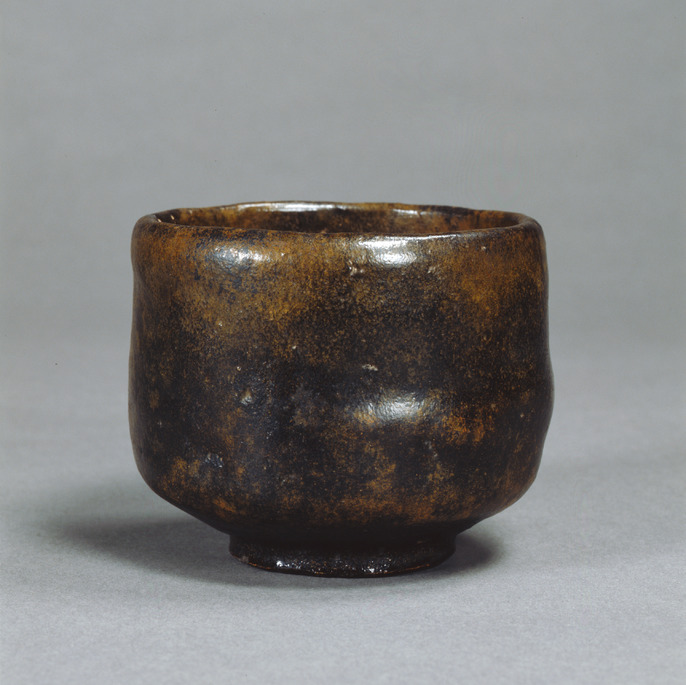
Cha-no-yu (Tea Ceremony)
The tea ceremony is an activity where matcha is enjoyed through the Japanese tea culture. It was developed into a composite artform, combining architecture, gardening, shodo (calligraphy), craftsmanship, philosophy, and cooking.
The tea ceremony is a commonly practiced cultural activity that was originally developed as a performance for a tea party. In recent years, it has also come to be called Sado (the Way of Tea), with emphasis on the spiritual aspects.
Tea crinking custom came to Japan during the late Nara and early Heian eras, and is said to have been brought into the country by Kento-shi (Japanese envoy to Tang Dynasty China) and foreign monks. In the Nihon Koki history text, under the entry for April 22 in 815, there is a description of the great monk, Eichu, brewing tea with the Emperor Saga. This is the oldest record on tea. However, the culture of tea was lost during the period of Kokufu Bunka (Japan's original national culture).
The reintroduction of the tea culture occurred during the Kamakura era from Eisai, who brought the Rinzai sect. When the customs of the Song Dynasty were introduced to Japan, they permeated the Zen temples and samurai societies, and during the late Kamakura era, these customs also spread to the citizens. During the Muromachi era, ‘tea culture’ was developed as a samurai ritual, together with the establishment of the Shoin-zukuri (Japanese residential architectural style). At this time, the cha-no-yu (tea ceremony) style which uses karamono tea bowls (imported Chinese products) and includes zashiki kazari (the specific arrangement of ornamental objects) became established.
The current style of the Japanese tea ceremony, known as Wabi-cha, was created by Shuko Murata in the latter half of the 15th century, then completed by Sen no Rikyu. Tea ceremonies inherited by the disciples became an integrated artform incorporating the culture of various genres, such as architecture, landscaping, calligraphy, craft, philosophy, and cuisine.
Related People, Things and Events
Books
Related Works
茶道具を探す
Videos
Past Exhibitions
| Title | shusai | Place | open | close |
|---|---|---|---|---|
| 東京国立博物館 平成館 | 2017/4/11 | 2017/6/4 | ||
| 徳川美術館 | 2005/6/25 | 2005/7/24 | ||
| 島根県立美術館 | 2016/4/20 | 2016/5/30 | ||
| MOA美術館 | 2013/8/23 | 2013/10/2 | ||
Institutions Holding Related Materials
茶室の茶掛けとして茶人達に珍重された国宝「与虎丘紹隆印可状」を始め、多数の茶道具を収集・展示している。また、東京国立博物館HPの「1089ブログ」でも、茶道具について初心者向けに解説を行っている。
「茶の湯」をテーマにした特別展を過去に複数実施しているほか、名品ギャラリー(平常展示)でさまざまな焼き物を展示している。
表千家茶道をまなぶ人や茶の湯に興味を持つ一般市民が、気軽に茶の湯文化にふれるための文化会館。毎年、秋の恒例行事として「特別展」と「茶の湯文化にふれる市民講座」を開催する。京都洛北の景勝地、北山にある。
裏千家の茶道美術や資料を収蔵している資料館。昭和54年(1979)11月に開館。昭和44年(1969)に設置した「今日庵文庫」は、裏千家歴代家元が収集した、茶道に関する6万点を超える図書を収蔵・保管している。
岩﨑彌之助と岩﨑小彌太の父子2代が築いた静嘉堂コレクションを基に、平成4年(1992)4月に開館された私立美術館。国宝「曜変天目」を始めとする約6,500点の東洋古美術品を所蔵している。
東武鉄道の社長などを務めた実業家・初代根津嘉一郎による日本・東洋の古美術品コレクションを保存・展示するために、昭和16年(1941)に開館された私立美術館。嘉一郎が青山と号して茶の湯を楽しむなかで収集した茶道具の数々も、コレクションの重要な柱となっている。
茶道具を中心に、書画、陶磁、漆芸、能装束など、日本、中国、朝鮮の古美術品を展示公開している私立美術館。収蔵品は、国宝6件、重要文化財33件を含む約1300件。創立者の創立者畠山一清(1881―1971)は、技術者としてポンプの開発に取組み、株式会社荏原製作所を興して実業界に名を馳せた。事業のかたわら、即翁と号して能楽と茶の湯を嗜み、美術品の蒐集に努めた。
日本・東洋の古美術コレクションを収蔵する三井文庫別館が日本橋に移転して平成17年(2005)10月に開設された私立美術館。三井家は家祖・三井高利の次の代に11家に分かれて各課が茶道具を中心とする美術品を収集した。美術館では国宝「志野茶碗 銘卯花墻」を所蔵するほか、展示室では国宝茶室如庵を再現している。
静岡県熱海市に所在する美術館。能や茶の湯を推進しており、日本庭園に「茶の庭」や茶室を有している。
明治時代に活躍した実業家・藤田傳三郎と、息子の平太郎、徳次郎による東洋古美術コレクションを公開するため、昭和29年(1954)に開館した私立美術館。国宝「曜変天目茶碗」ほか約2000件のコレクションを有している。
旧安宅産業株式会社が収集した「安宅コレクション」の中国・韓国陶磁器を中心に大阪市が設立し、昭和57年(1982)11月に開館した市立美術館。国宝「飛青磁花生」ほか中国陶磁器144件、韓国陶磁器793件を中心に収蔵している。
茶道流派の一つ薮内流の薮内燕庵公式サイト。茶室や露地など、図・写真を交えて紹介している。