日本武器名鑑
武器から分かる歴史もある。
1.館長より挨拶
皆さん本日は企画展示「日本武器名鑑」に来てくださりありがとうございます。本館の館長です。今回の企画「日本武器名鑑」をお楽しみください。
2.企画展示について
この企画展示は縄文から昭和、幅広い年代の武器という武器を集めそこから分かる歴史を展示した物です。ぜひ、昔の人々の狩や合戦、戦争に思いを馳せてご覧ください。
3.縄文〜弥生の武器
- 石槍
館長からの一言
まず最初にご覧いただいたこちらは縄文時代に使われていた石槍です。主に狩猟に使われていたもので、全長12cmの黒曜石製です。きっと当時は棒と一緒に投げられたり、刺されたりして使われていたのでしょう。
- Bronze Sword Blade
北条貞吉氏・北条実三郎氏寄贈,Gift of Messrs. Hojo Sadakichi and Hojo Jitsusaburo,東京国立博物館,Tokyo National Museum
<p> このような形の平形銅剣は北四国産と考えられています。香川・愛媛で多く確認されていますが、広く瀬戸内海周辺でも出土例があります。左側の銅剣の片方の突起には鋳かけがあります。<br /></p>
館長からの一言
次に、ご覧いただいたこちらは「平形銅剣」。弥生時代に作られた物で、武器や祭器として使われることが多いのですが、これはどちらか分かりません。


4.古墳の武器

5.鎌倉の武器
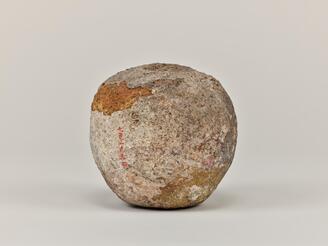
- Grenade
林慶良氏寄贈,東京国立博物館,Tokyo National Museum
<p>明治時代に引き揚げられた、蒙古襲来(もうこしゅうらい)の際に元(げん)軍が使用した炸裂(さくれつ)弾の本体です。すでに火薬などの中身はありませんが、本来は中に鉄片や陶器のかけらを詰めるなど、爆風や破裂を利用した強い威力をもつ兵器であったことがわかっています。 <br /></p>
館長からの一言
次にご覧いただいたこちらは、日本製の武器ではなく、蒙古が日本に襲来した際に蒙古が使用した武器「てつはう」です。中に火薬や陶器のかけらを詰めて飛ばして爆散させることで攻撃する武器です。当時の日本人からすると大きな脅威だったようです。
6.室町〜戦国の武器
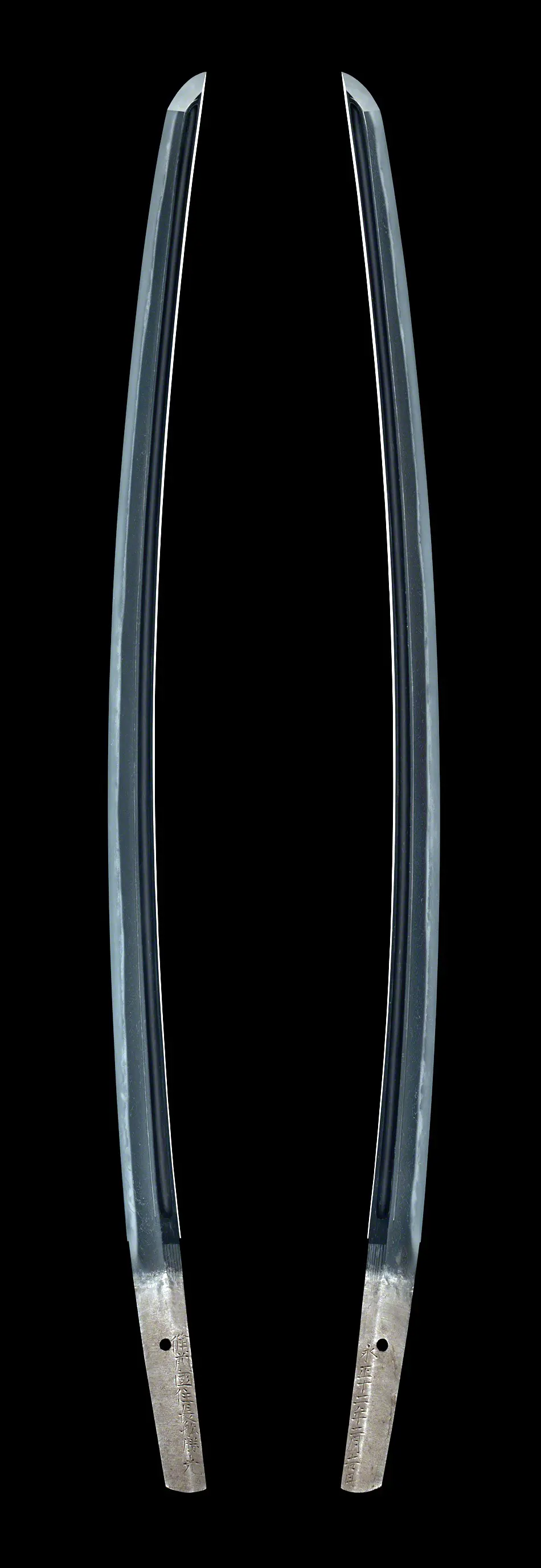
- Katana: Signed ‘Bizen-no-Kuni Ju Osafune Katsumitsu’ / ‘Eisho Juni-nen Ni-gatsu Kichijitsu’ (February 1515)
勝光,Katsumitsu
本作は、庵棟(いおりむね)、身幅(みはば)と重(かさ)ねは尋常、反り頃合い、中鋒(ちゅうきっさき)で、腰反(こしぞ)り、茎(なかご)は寸詰まりの典型的な末古刀(すえことう)姿を示しており、鍛えは、杢目(もくめ)肌が詰み、処々板目(いため)肌が流れ、刃文は直刃調、刃縁(はべり)締まりごころで小沸(こにえ)つき、ところどころほつれて、鎺元(はばきもと)にしたがいわずかに小さく乱れる。帽子は直ぐに先尖(さきとが)りごころに小丸(こまる)。彫刻は表裏とも丸止めの棒樋(ぼうひ)、加えて添樋(そえび)がある。茎(なかご)には、表裏に作者と年紀銘がある。俗銘は切られていないが、次郎左衛門尉勝光の入念(にゅうねん)作である。
館長からの一言
こちらは室町時代に作られた日本刀。古墳時代に使われていた剣とは違う形に変化しています。今回ここに載せたのはこちらの室町時代の刀ですが、刀自体は平安時代からあったようです。
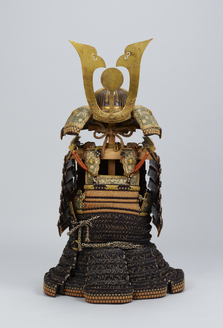
- Armor (Dōmaru) with “Eurasian Jay” Lacing, Red at the Top
秋田一季氏寄贈,Gift of Mr. Akita Kazusue,東京国立博物館,Tokyo National Museum
<p>Japanese armor that wraps around the wearer's body and fastens together on the right-hand side is known as domaru-type. The kusazuri, or the skirt-like part protecting the lower body, is divided into eight sections to enable the legs to move freely. This suit is also furnished with a helmet and arm guards. It is highly-renowned as a representative example of domaru armor.<br /><br />The helmet bowl is covered with copper-plated lines. The front portion is hoe-shaped, crowned to the left and right, while a sun ornament sits in between. The base of the horns and the metal fittings on the cuirass and sleeves are adorned with ornate engravings to give the armor an even more resplendent air.<br /><br />Let's take a closer look at the metal fittings. Small dots have been hammered onto the background of the fittings in a style known as nanako, so named for its resemblance to fish roe. The fittings have been finished with free-flowing arabesque designs and crests of paulownia flowers and leaves. Rivets have been fitted at strategic places and their tops are also adorned with paulownia crests. Paulownia arabesque openwork is also applied to the metal fittings of the helmet and arm guards.<br /><br />The main body section of the armor consists of black-lacquered iron plates threaded together with plaited cord composed of dark-blue and red threads. All in all, this is one of the most elaborate, highly-crafted sets of armor from the Muromachi period.</p><br /><p>This is one of the most finely crafted and well-preserved suits of Japanese armor from the 1400s. It was a family heirloom of the Akita, an elite samurai clan that ruled in northeastern Japan. Stylized deer antlers adorn the helmet, as deer were considered sacred animals and their antlers, which regrow annually, were associated with immortality.</p>
館長からの一言
また武器が発達するのに伴い、それから身を守るための鎧も発達します。こちらがその鎧で、装飾が豪華に施されているのはこれを使用した上級武士の権威を示すためだと考えられます。武器は、人を殺ためのものであると同時に権力の象徴でもあったのです。ちなみに、この鎧もこれは室町時代のものですが、平安時代にはもうあったようです。
7.明治以降の武器
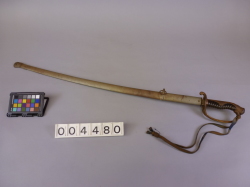

8.最後に
皆さん、いかがでしたか?時間が経てば経つほど、武器はどんどん発達していきます。石槍から始まり、果ては原子爆弾。また同時に、武器の歴史は人の死の歴史でもあります。そのことも考えていただければ幸いです。
9.関連イベントのご案内
企画展「英姿颯爽―根津美術館の武器・武具―」
会場:根津美術館(東京都港区南青山6-5-1)
会期:2026年2月14日(土)~3月29日(日)
開館時間:午前10時~午後5時(最終入館 午後4時30分)