
ガラス加工の歴史
日本の歴史にひもづくガラスはどのようなものか?
ガラス加工
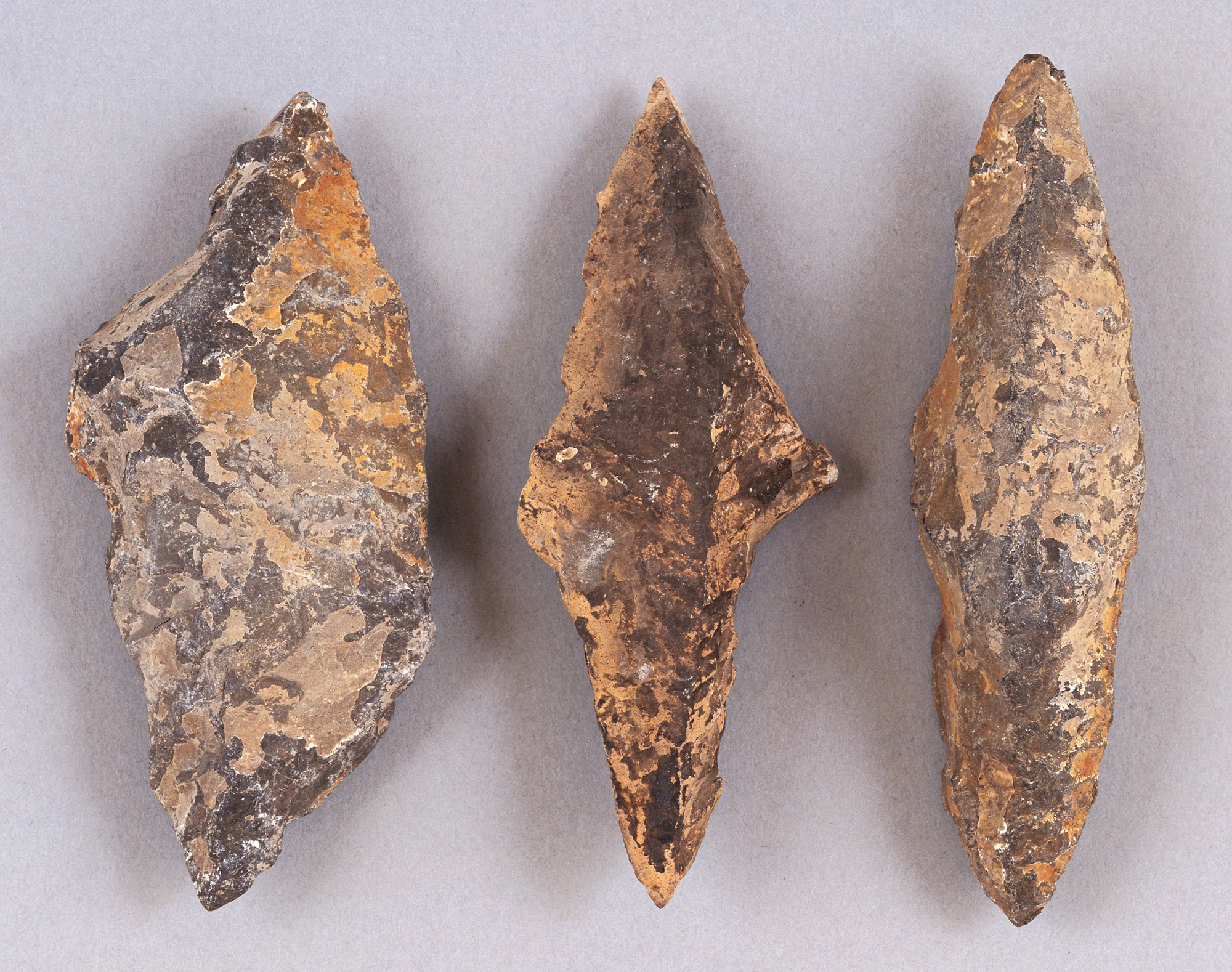
- 玄能石
上田市越戸(こうど)産。今から1500万年ほど前にフォッサマグナの海に堆積した別所層の泥岩(でいがん)中から産出する。石器時代の石槍のような形をしている。成分は方解石と同じ炭酸カルシウムが主。地層ができるときに同時にできたものであるといわれているが、くわしい成分はまだはっきりしていない。(『長野県地学図鑑』より) クレジット 上田市立博物館、玄能石
ガラスを作るための原料、炭酸カルシウムや方解石が含まれている天然のガラス。
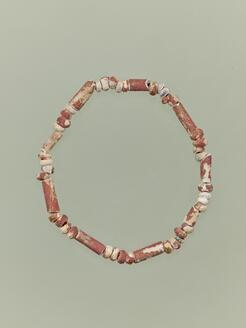
- Cylindrical Beads (Kudatama) and Small Beads
東京国立博物館,Tokyo National Museum
クレジット 東京国立博物館、ガラス管玉・ガラス小玉
弥生時代(後期)・1~3世紀の物で、福岡県糸島市前原東(二子塚)出土した。
- Dish
東京国立博物館,Tokyo National Museum
This striking dark blue glass plate was excavated from Tumulus No. 126, a tomb built in the latter half of the 5th century in Nara Prefecture's Niizawa Senzuka tumuli cluster. A recent X-ray fluorescence analysis revealed that the plate has the same constituency as glass found along the Mediterranean coast, within the boundaries of the Roman Empire. The surface features a picture rendered in faint white lines. These could be marks left behind by an adhesive used to attach gold foil. A bird sits in the center surrounded by horses, people, trees, and petals. The style of these motifs suggest they were produced in the Sassanid Persian Empire.This plate was found with a cut-glass bowl. These were placed to the right of the tomb occupant's headboard, with the bowl sitting on the plate, just like a coffee cup would on a saucer. The cut-glass bowl is also thought to be a product of the Sassanid Persian Empire. Perhaps both items were carried from afar to the Japanese archipelago via the Silk Road.
古墳時代・5世紀頃です奈良県橿原市 新沢千塚126号墳出土
- ガラス乾板
江差の商家ヤマホ関川家に伝わったガラス乾板のベタ焼き画像。 クレジット 旧檜山爾志郡役所(江差町郷土資料館、江差町教育委員会)、ガラス乾板
江差の商家ヤマホ関川家に伝わったガラス乾板のベタ焼き画像です。


ガラス加工の歴史表
見てくれてありがとうございます。ガラスの加工は時代によって様々な違いがあり、時代と共に進化してきているということが、これを見てわかったいただけたら幸いです。
他のも面白いので見てみてください