Initial note
館長挨拶 こんにちは館長です。学校の授業で天平文化について学んでいるので、その中でも代表的な正倉院のことを取り上げているのでぜひ見ていってください。 この展示は正倉院やその宝物について取り上げています。
- Shōsoin Repository
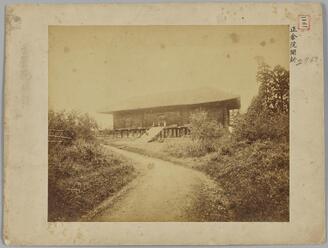
横山松三郎撮影,By Yokoyama Matsusaburō (1838–84),東京国立博物館,Tokyo National Museum
<p>★壬申検査写真のうち正倉院分の説明です★正倉院開封については、町田久成と蜷川式胤が所属する文部省より太政官正院に明治5年(1872)の正月に申し立てをしていた。勅使を伴って、8月12日に正倉院を開封、23日に閉封するまで、写真、模写、拓本などさまざまな方法で、多数の宝物を調査している。<br />ルビ:ちょくし、かいふう、へいふう<br /></p>
館長からの一言
正倉院の宝物などを調査するために1872年の8月12日から8月23日まで正倉院が開いていたそうです。
- Shosoin Repository Treasures
A repository of treasures stored at Todai Temple in Nara thought to be the treasures of Emperor Shomu; these treasures represent the culture of Pure Land Buddhism
館長からの一言
またの名を正倉院御物といい、主に調度品や食器類や装飾品、文房具や楽器類などで聖武天皇の遺愛品六百数十点を母体としている
- Bowl
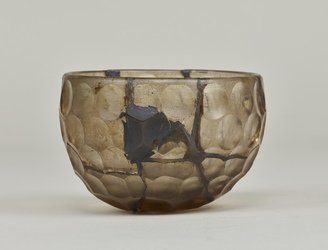
クラブ関西寄贈,Gift of Club Kansai,東京国立博物館,Tokyo National Museum
<p>This cut-glass bowl is among those that were created in large quantities in Sassanian Persia and later brought to the Japanese archipelago. <br /></p><br /><p>This cut-glass bowl was made in Iran during the Sassanian period, which lasted from the third to the seventh century. Many similar items have been found in the northern part of Iran, with this bowl carried all the way to distant Japan as a valuable specialty object. Another remarkably similar glass bowl has been passed down as one of the treasures of the Shosoin Repository of Todai-ji temple, Nara. Both bowls have a slight amber hue and they are both roughly the same size, with the same number and arrangement of cut-glass circles. The rounded form could probably sit comfortably in the hand, though the cut surface seems quite sharp.<br /><br />This bowl was discovered during the Edo period in a tumulus purportedly built in the 6th century to house the body of Emperor Ankan. The Edo period saw a boom in the study of ancient Japanese ideas and culture, based on a reading of the classics. This coincided with a growing interest in ancient artifacts, with the bowl also attracting the attention of many cultured figures. Like an implement for the tea ceremony, this bowl was handed down in a specialist silk pouch placed inside a lacquer inner box and a wooden outer box. The black sections show where lacquer was used to fill cracks. This reveals just how much the previous owner treasured the bowl. While the bowl in the Shosoin Repository remains in a pristine condition with next-to-no flaws, the history of this precious object is on full display in these lacquered seams.</p>
館長からの一言
これは正倉院におさめられているものの同一規格品でカットガラスと呼ばれるもので3世紀から7世紀にかけて作られました。今ではイランの北部でよく発見されます。
- (Copy)Genkan (Chinese stringed musical instrument), Copied from the original of Nara period, 8th century, in the Shoso-in Repository, Nara
東京国立博物館,Tokyo National Museum
館長からの一言
まるい胴部をもつ4弦の琵琶で、げんかんと読む。この形式の琵琶は中国で3〜4世紀ごろに成立されたとされ、この楽器を愛用した賢者げんかんにちなんでこの名がついたとされる。
- Plectrum (Copy)
東京国立博物館,Tokyo National Museum
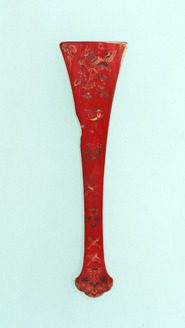
<p>鏤撥は、象牙を赤や青に染めたのち文様を彫り出し、さらに色を加えた工芸です。古くは奈良時代からつくられており、この作品は正倉院宝物の琵琶に付属する撥を、明治時代に再現したものです。<br /></p>
館長からの一言
こうげばちるのしゃくと読み、装飾性の高い象牙製のものさし。象牙を紅色に染めてから彫り、染まっていない白色を見せることによって文様を表している。
最後まで見てくださり、ありがとうございました。このように正倉院は天平文化について現代にこれほど残していってる歴史的な建造物です。また、2222年2月22日に火星で展示する予定のためぜひきてください