Description
Human-figured haniwa figurines have generally been found in tumuli postdating the mid-5th Century. Earlier tumuli tend to have non-human haniwa forms, such as canopies, shields, armor and houses. Many human-figured haniwa, including female shamans, dancers, people in full dress, warriors, farmers, harpists, and hawking men, have been found in the Kanto district.
This male figure wears a sedge hat and a necklace and dresses his hair in the mizura style. He wears a short sword, and carries a hoe on his right shoulder.
Burial styles changed as stone room tumuli became more common. Typically, several types of clay figurines would be arranged in front of the stone room, almost as if they were attendents at the burial.
Human-figured haniwa are helpful in studying costumes and customs of the periods in which they were made.
Data source
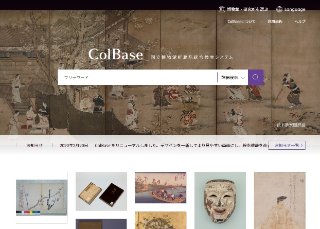
ColBase
"ColBase: Integrated Collections Database of the National Institutes for Cultural Heritage, Japan" is a service that enables a multi-database search of the collections in the four national museums (To...
Contents holder/Provider
Aggregator

National Institutes for Cultural Heritage
The National Institutes for Cultural Heritage (NICH) comprise four National Museums (Tokyo National Museum, Kyoto National Museum, Nara National Museum, and Kyushu National Museum) and two National Research Institutes for Cultural Properties (Tokyo National Research Institute for Cultural Properties, and Nara National Research Institute for Cultural Properties), as well as the International Research Centre for Intangible Cultural Heritage in the Asia-Pacific Region (IRCI) in Sakai City, for a total of seven institutions.
Last updated
July 20, 2026