Four Dynamic Coastal Cities: Yokosuka, Kure,Sasebo, Maizuru~ Centers of Japanese modernization ~ 鎮守府 横須賀・呉・佐世保・舞鶴~日本近代化の躍動を体感できるまち~ ストーリー動画
Description
With the collapse of the shogunate and the establishment of parliamentary government in the Meiji period (1868-1912), Japan began the process of modernization in order to counter the perceived threat of the Western powers. To improve the nation’s maritime defense capabilities, the government established naval stations in four natural ports that met stringent topographic requirements: Yokosuka in 1884, Kure and Sasebo in 1889, and Maizuru in 1901. State-of-the-art shipbuilding equipment from the West was installed under French technical guidance in the Yokosuka Arsenal, which produced critical components for the new navy. The culmination of the development of shipbuilding that began in Yokosuka was the manufacture in Kure some fifty years later of the world’s largest battleship, the Yamato. In addition, the introduction of ferroconcrete to Japan in the early 20th century led to the construction of the Hario Transmission Station, the tallest radio tower in the country. In Maizuru, the Navy contributed not only to the development of advanced technology but also to the rise of Western food culture in Japan. The establishment of naval stations in what were originally small fishing villages sparked rapid development of the surrounding waterways and land transportation routes, which in turn spurred large population inflows. The four cities grew quickly as naval ports, and many of the facilities constructed in the early days are still in operation now, offering a valuable insight into Japan’s drive to modernize.
Data source
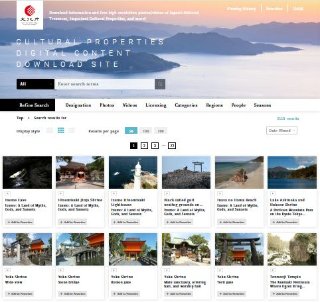
Cultural Properties Digital Content Download Site
Download information and free high-resolution photos/videos of Japan's National Treasures, Important Cultural Properties, and more!
Last updated
March 25, 2026