Description
The majority of Japanese indigo dye is produced today in Tokushima Prefecture. Indigo dyeing began in Tokushima over 800 years ago in the Yoshino River basin. The flooding of the river would carry fertile soil to the basin, making it ideal for growing indigo. The river also allowed for the transportation of the finished product. Tokushima’s indigo dye was especially popular in the 18th and 19th centuries and was used in many household items and clothing. A British scholar who visited Japan in the 19th century was impressed by the rich, deep hue and called it “Japan blue.” Merchants who made fortunes from the trade built extravagant mansions in towns near Yoshino River, with fire barrier walls called udatsu to protect them. The udatsu eventually took on a more decorative function and became increasingly glamorous as the merchants showed off their wealth. Many of these buildings remain today and visitors can explore the beautiful townscape around the Yoshino River. Indigo dyeing as an industry declined as synthetic dyes took over. But recently the traditional dyeing process has been reevaluated and dedicated craftsmen around Japan have kept the craft alive. Tokushima’s hugely popular Awa Dance Festival and Awa Ningyo Joruri puppet theater are legacies of the prosperity generated by the indigo trade.
Data source
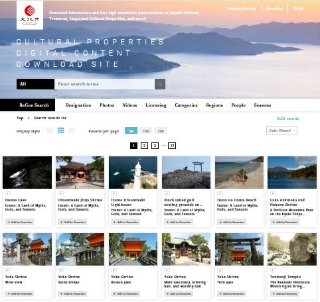
Cultural Properties Digital Content Download Site
Download information and free high-resolution photos/videos of Japan's National Treasures, Important Cultural Properties, and more!
Last updated
March 25, 2026