日本の文化(寺)
初めまして館長です。
本日は日本の文化の中心と言っても過言ではない寺を深掘っていきましょう。寺の歴史を理解したら日本の歴史の4割ほどを理解できます。寺の歴史を知るということです。
- Toji Temple
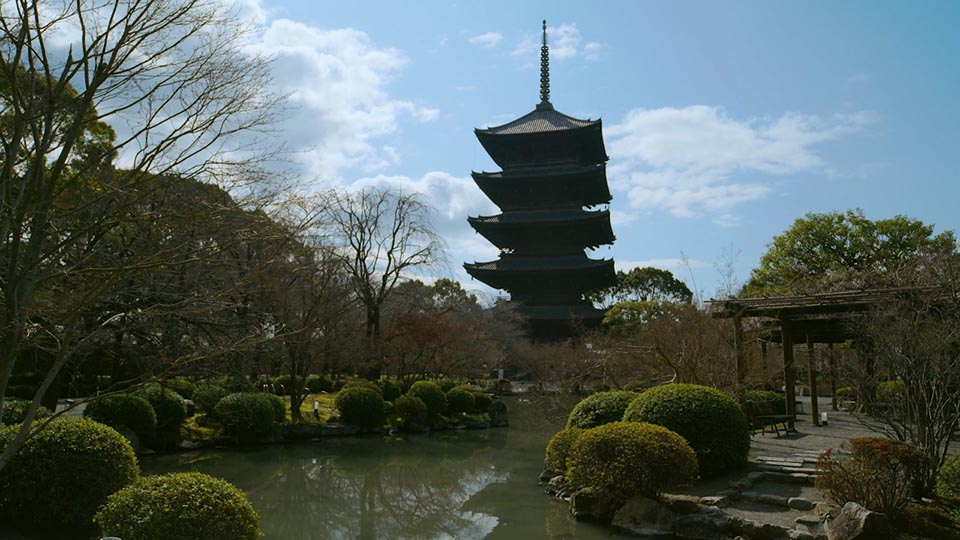
Toji Temple was established in 796 as one of two guardian temples for Heiankyo (present-day Kyoto), which had become Japan’s capital two years earlier. Toji, the “East Temple,” and Saiji, the “West Temple,” flanked Heiankyo’s famous Rashomon gate as spiritual bulwarks for the new city. While Saiji burned in 1233 and was never rebuilt, the main buildings of Toji have been repeatedly destroyed by fires or earthquakes over the years, but were always reconstructed in their original positions. To see this UNESCO World Heritage Site now is to see it centuries ago. Toji’s most recognizable structure is its five-story pagoda, the tallest wooden tower in Japan. The 55-meter-tall pagoda can be seen from many places across Kyoto and even shinkansen bullet trains as they pass near JR Kyoto Station. The inside of the pagoda, a National Treasure originally built in 826, is usually closed to the public, except for special events. Toji has been the headquarters of Buddhism’s esoteric Shingon sect since the ninth century. The kodo lecture hall houses 21 Buddhist statues that are among the oldest in Japan, and the kondo main hall is a National Treasure. The miedo building was the residence of Kukai (774 - 835), the monk who founded Shingon Buddhism and was placed in charge of Toji in 823. Kukai’s influence is still celebrated every morning, when a meal is served in front of a statue of him in a ceremony open to the public. Outside the temple buildings, the gardens are considered one of Kyoto’s best sites for viewing cherry blossoms. Illumination events also are held to show the flowers’ beauty at night. In addition to culturally significant buildings and treasures, Toji is a place to find a bargain: the lively Kobo-san flea market is held on the temple grounds on the 21st of each month, and an antiques market takes place on the first Sunday of the month. Most serious shoppers snap up the best deals when the market opens at 8 a.m.
世界文化遺産にも登録されているとてもすごい寺です。
- Toshodaiji Temple
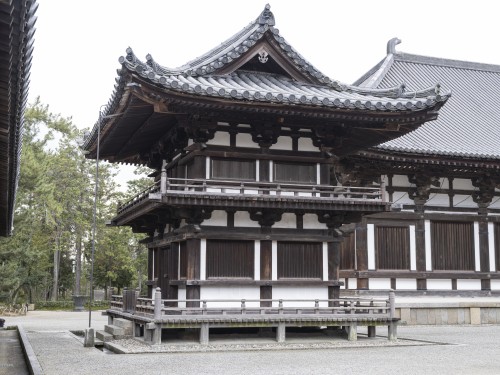
World Heritage site Toshodaiji Temple in Nara was founded by the Chinese monk Ganjin (688-763), or Jianzhen in Chinese. Ganjin was invited by the Japanese emperor to travel from China to Japan and preach the tenets of Buddhism. At that time, travel between the two countries was fraught with difficulty and danger; it took Ganjin six attempts over multiple years to finally make the voyage, and by the time he arrived in Nara in 754 he had lost his eyesight. However, he was warmly received by the Imperial Court and founded Toshodaiji in 759 as a centre for monastic learning. The extensive grounds and magnificent buildings are a reminder of the prestige once held by Toshodaiji; in its early days, the temple controlled 48 sub-temples. Although much has changed, the temple remains an excellent example of early Buddhist culture in Japan. The temple buildings themselves include the main sanctuary (kondo), a lecture hall (kodo) that originally was part of Nara’s Imperial Palace complex, and a drum tower (koro) that houses some of Buddha’s ashes, brought by Ganjin from China. These and several other buildings in the Toshodaiji complex are designated National Treasures. The main sanctuary houses a statue of the Vairocana Buddha, similar to the one in Nara’s Todaiji Temple. The three-metre-tall statue is flanked to the left and right by statues of the thousand-armed Kannon and the Buddha of medicine and healing, Yakushi Nyorai. On the western side of the grounds was the smaller sub-temple of Kaidanin, where novices were given instruction. Kaidanin was destroyed in a fire, and all that remains nowadays is the marble foundations.
高さが3メートルという普通のお寺にはないような大きさの仏像が魅力ですね。
- 妙宣寺 五重塔
中俣正義 モノクロ 6×7ネガフィルム
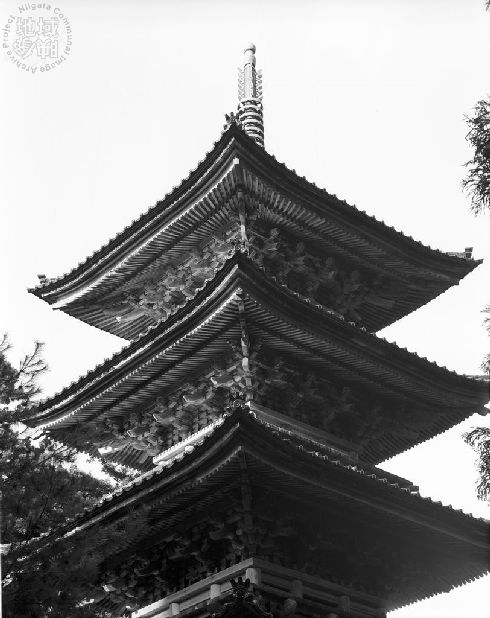
1979(昭和54)年2月14日 佐渡市阿佛坊 妙宣寺の五重塔、相輪が空高くそびえる。佐渡市相川の長坂茂三右衛門とその息子金蔵の親子二代を棟梁とし、文政8年(1825年)に建てられた。新潟県に現存する唯一の五重塔であり、昭和61(1986)年に国の重要文化財の指定を受けている。
新潟県唯一の五重塔で重要文化財にもなっているんですね。
- 口絵国分寺三重塔(重要文化財)
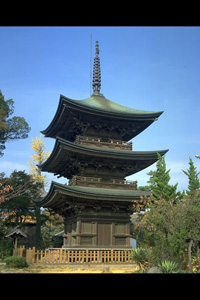
奈良時代(約1200年前)に勅願によってできた「信濃国分寺」は、2~300年もたたないうちに、兵火によって焼失してしまったであろうと想像されている。<br>その後、もとの国分寺のあったところから約200m北方の、段丘の上に建てられたのが現在の国分寺である。地元の人には「八日堂」とか「お薬師様」とかいわれて、正月八日の縁日(「だるま市」)などで親しまれている。<br>この再興された国分寺の東南の一角に、美しい姿をみせているのが、この国分寺三重塔だ。大法寺三重塔・安楽寺八角塔・前山寺三重塔などにくらべて、建立時代はやや新しく、室町時代中期のものと推定されているが、さすがに、一国の国分寺を象徴するにふさわしいみごとな建築である。<br>いくぶん強く反った三層の屋根は、美しい曲線を中空に描き、しかも塔全体がしっとりと落ちついている。「和様」という手法で統一されているため、ととのった感じをもつ塔でもある。<br>よくみると、柱と窓、勾欄(手すり)、水煙のかたちに至るまで、大法寺三重塔とそっくりにできている。おそらく工匠たちは、同じ東山道筋にそびえる天下の名塔、大法寺三重塔を模範としてこれをつくったものであろう。(そういえば、現在この国分寺は、大法寺と同じく天台宗に属している。)ただし、後述するが「肘木」の曲線だけは、「禅宗様」となっているのは、どういう理由によるものだろうか。<br>なおこの塔の初重の内部は、四天柱・来迎壁・格天井などそなわり、「如意頭文」という珍らしいかざりがあって、建築当初の豪華さを想像させている。(解説参照)<br>中世、この地域は、「国衙領」(信濃国府の直接支配する土地)であったと推定され、室町期に入って海野氏(東信濃の雄族)の勢力が及んでいるが、あるいはそうした背後の力によって、この塔の再興も成就したものではなかろうか。
一国の国分寺を代表する寺、しかも重要文化財にも登録されています。
どうでしたでしょうか。日本にはまだまだたくさんの重要文化財や世界遺産に登録されている寺がたくさんあります。一つ一つの寺に物語があり奥が深いですね。もっともっと寺のこと、寺の歴史を知っていきましょう。
横断検索(キーワード:鬼)
初めまして館長です。
本日は日本の文化の中心と言っても過言ではない寺を深掘っていきましょう。寺の歴史を理解したら日本の歴史の4割ほどを理解できます。寺の歴史を知るということです。
- Toji Temple
Toji Temple was established in 796 as one of two guardian temples for Heiankyo (present-day Kyoto), which had become Japan’s capital two years earlier. Toji, the “East Temple,” and Saiji, the “West Temple,” flanked Heiankyo’s famous Rashomon gate as spiritual bulwarks for the new city. While Saiji burned in 1233 and was never rebuilt, the main buildings of Toji have been repeatedly destroyed by fires or earthquakes over the years, but were always reconstructed in their original positions. To see this UNESCO World Heritage Site now is to see it centuries ago. Toji’s most recognizable structure is its five-story pagoda, the tallest wooden tower in Japan. The 55-meter-tall pagoda can be seen from many places across Kyoto and even shinkansen bullet trains as they pass near JR Kyoto Station. The inside of the pagoda, a National Treasure originally built in 826, is usually closed to the public, except for special events. Toji has been the headquarters of Buddhism’s esoteric Shingon sect since the ninth century. The kodo lecture hall houses 21 Buddhist statues that are among the oldest in Japan, and the kondo main hall is a National Treasure. The miedo building was the residence of Kukai (774 - 835), the monk who founded Shingon Buddhism and was placed in charge of Toji in 823. Kukai’s influence is still celebrated every morning, when a meal is served in front of a statue of him in a ceremony open to the public. Outside the temple buildings, the gardens are considered one of Kyoto’s best sites for viewing cherry blossoms. Illumination events also are held to show the flowers’ beauty at night. In addition to culturally significant buildings and treasures, Toji is a place to find a bargain: the lively Kobo-san flea market is held on the temple grounds on the 21st of each month, and an antiques market takes place on the first Sunday of the month. Most serious shoppers snap up the best deals when the market opens at 8 a.m.
世界文化遺産にも登録されているとてもすごい寺です。
- Toshodaiji Temple
World Heritage site Toshodaiji Temple in Nara was founded by the Chinese monk Ganjin (688-763), or Jianzhen in Chinese. Ganjin was invited by the Japanese emperor to travel from China to Japan and preach the tenets of Buddhism. At that time, travel between the two countries was fraught with difficulty and danger; it took Ganjin six attempts over multiple years to finally make the voyage, and by the time he arrived in Nara in 754 he had lost his eyesight. However, he was warmly received by the Imperial Court and founded Toshodaiji in 759 as a centre for monastic learning. The extensive grounds and magnificent buildings are a reminder of the prestige once held by Toshodaiji; in its early days, the temple controlled 48 sub-temples. Although much has changed, the temple remains an excellent example of early Buddhist culture in Japan. The temple buildings themselves include the main sanctuary (kondo), a lecture hall (kodo) that originally was part of Nara’s Imperial Palace complex, and a drum tower (koro) that houses some of Buddha’s ashes, brought by Ganjin from China. These and several other buildings in the Toshodaiji complex are designated National Treasures. The main sanctuary houses a statue of the Vairocana Buddha, similar to the one in Nara’s Todaiji Temple. The three-metre-tall statue is flanked to the left and right by statues of the thousand-armed Kannon and the Buddha of medicine and healing, Yakushi Nyorai. On the western side of the grounds was the smaller sub-temple of Kaidanin, where novices were given instruction. Kaidanin was destroyed in a fire, and all that remains nowadays is the marble foundations.
高さが3メートルという普通のお寺にはないような大きさの仏像が魅力ですね。
- 妙宣寺 五重塔
中俣正義 モノクロ 6×7ネガフィルム
1979(昭和54)年2月14日 佐渡市阿佛坊 妙宣寺の五重塔、相輪が空高くそびえる。佐渡市相川の長坂茂三右衛門とその息子金蔵の親子二代を棟梁とし、文政8年(1825年)に建てられた。新潟県に現存する唯一の五重塔であり、昭和61(1986)年に国の重要文化財の指定を受けている。
新潟県唯一の五重塔で重要文化財にもなっているんですね。
- 口絵国分寺三重塔(重要文化財)
奈良時代(約1200年前)に勅願によってできた「信濃国分寺」は、2~300年もたたないうちに、兵火によって焼失してしまったであろうと想像されている。<br>その後、もとの国分寺のあったところから約200m北方の、段丘の上に建てられたのが現在の国分寺である。地元の人には「八日堂」とか「お薬師様」とかいわれて、正月八日の縁日(「だるま市」)などで親しまれている。<br>この再興された国分寺の東南の一角に、美しい姿をみせているのが、この国分寺三重塔だ。大法寺三重塔・安楽寺八角塔・前山寺三重塔などにくらべて、建立時代はやや新しく、室町時代中期のものと推定されているが、さすがに、一国の国分寺を象徴するにふさわしいみごとな建築である。<br>いくぶん強く反った三層の屋根は、美しい曲線を中空に描き、しかも塔全体がしっとりと落ちついている。「和様」という手法で統一されているため、ととのった感じをもつ塔でもある。<br>よくみると、柱と窓、勾欄(手すり)、水煙のかたちに至るまで、大法寺三重塔とそっくりにできている。おそらく工匠たちは、同じ東山道筋にそびえる天下の名塔、大法寺三重塔を模範としてこれをつくったものであろう。(そういえば、現在この国分寺は、大法寺と同じく天台宗に属している。)ただし、後述するが「肘木」の曲線だけは、「禅宗様」となっているのは、どういう理由によるものだろうか。<br>なおこの塔の初重の内部は、四天柱・来迎壁・格天井などそなわり、「如意頭文」という珍らしいかざりがあって、建築当初の豪華さを想像させている。(解説参照)<br>中世、この地域は、「国衙領」(信濃国府の直接支配する土地)であったと推定され、室町期に入って海野氏(東信濃の雄族)の勢力が及んでいるが、あるいはそうした背後の力によって、この塔の再興も成就したものではなかろうか。
一国の国分寺を代表する寺、しかも重要文化財にも登録されています。
どうでしたでしょうか。日本にはまだまだたくさんの重要文化財や世界遺産に登録されている寺がたくさんあります。一つ一つの寺に物語があり奥が深いですね。もっともっと寺のこと、寺の歴史を知っていきましょう。