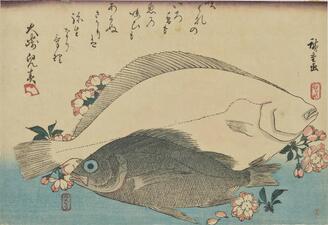
江戸人と海
皆さんこんにちは!館長です。実は私、海の生き物が大好きなんですよ。無論釣りや生物採集も大好きです。今回の展示では、江戸時代に住む人と海の関係について展示します!
By Taro
Under of this sentence ,please use translation.I’m sorry to I can’t make English subtitles.
まえがき
館長からの一言:皆さん、こんにちは!突然本題に入りますが、私がこのような展示を行いたいと思った理由をお伝えします。私は、海の生き物が大好きです。そんな海の生き物に関係する仕事や食べ物の過去について興味を持ちました。その中で江戸時代という時代を選んだ理由は、寿司や、天ぷらなど魚介に関することが発展していった時代だからです。ぜひゆっくりご覧になっていってください。
第一章 〜漁業〜
江戸時代の漁業〈税〉
館長からの一言:皆さんは、江戸時代の身分制度として何を思い浮かべますか?『士農工商』という言葉は、ほとんどの人が聞いたことがあると思います。実際にこのような制度が会ったわけではなく、支配階級にあった武士と、農民などの税を納める百姓、その他に分けられていたと考えられています。この中だと、漁師は、百姓の中に分けられます。農民は、税として年貢を納めていました。漁師はというと、米などの物成と呼ばれる税とは違い、小物成という雑税がかけられていて、漁に使う網の大小などでも税が変わってきて、さらに1度査定されたら、漁獲の良し悪しに関わらず同じ量の税がかかる物でした。
江戸時代の漁業〈方法〉
館長からの一言:現在、漁の方法といえば大きな網を、船などで引き上げるものが主流です。では、江戸時代ではどうでしょうか。実は、今とそこまで変わりません。海底が砂地の場合は地引網漁、岩場などの場合は一本釣り、海流などの影響で魚が集まりやすいところは定置網漁など、聞き慣れた漁法が多いと思います。今と変わった点で言えば、船の大きさくらいでしょう。今は規模にもよりますが、全長50mの漁船がザラにいたりしますが、当時は、全長40.5尺、はば20.7尺までのサイズまでしか許されませんでした。基本的な漁法が成立したのはこの頃です。
江戸時代の漁業〈その他〉
館長からの一言:漁師には、2つの種類があります。1つ目は、その漁師の団体のトップ網元、もう1つは、それに雇われている網子があります。網元は、収入の半分を網子に均等に分け与えました。そのため、漁師の収入は少なかったです。さらに、天候にもとても左右されやすい職業なので、とても苦しい生活だったと予測されます。
第一章 展示品一覧
- 「六十余州名所図会」 「若狭」「漁船 鰈網」
広重〈1〉,[越平] 越村屋 平助
(69枚+目録 以下、目録題に拠る)(五畿内)01山城 あらし山・02大和 たつた川・03河内 ひらかた・04和泉 たかしのはま・05摂津 住よし・(東海道)06伊賀 上野之景・07伊勢 あさま山・08志摩 鳥羽湊・09尾張 津島祭・10三河 鳳来寺・11遠江 浜名の湖・12駿河 三保の松原・13甲斐 さるはし・14伊豆 しゆぜんじ・15相模 江のしま・16武蔵 隅田川・17同 浅くさ市・18安房 小みなと・19上総 九十九里・20下総 てうしの浜・21常陸 かしま・(東山道)22近江 ひはのうみ・23美濃 養老滝・24飛騨 かごわたし・25信濃 さらしな・26上野 はるな・27下野 日光山・28陸奥 松しま・29出羽 もがみ川・(北陸道)30若狭 鰈網の図・31越前 気比の松原・32加賀 蓮湖・33能登 滝の浦・34越中 富山舟はし・35越後 親しらす・36佐渡 金山・(山陰道)37丹波 つりかねざか・38丹後 あまのはし立・39但馬 岩井たに・40因幡 加路小山・41伯耆 大野・42出雲 大やしろ・43石見 たかつ山・44隠岐 焚火のやしろ・(山陽道)45播磨 舞子の浜・46美作 山伏谷・47備前 ゆうが山・48備中 ふでだに・49備後 阿武門・50安芸 いつく島・51周防 錦帯橋・52長門 下の関・(南海道)・53紀伊 和歌の浦・54淡路 五色の浜・55阿波 鳴門・56讃岐 亀頭山・57伊予 西条・58土佐 松魚釣・(西海道)59筑前 箱崎・60筑後 やなかせ・61豊前 羅漢寺下道・62豊後 みのさき・63肥前 長崎・64肥後 五ヶの荘・65日向 ゆつの湊・66大隅 桜しま・67薩摩 坊の津・68壱岐 志作・69対馬 海岸夕晴
館長からの一言:真ん中の船が定置網漁を行っています。ヒラメかカレイの姿も見れますね。
- 100 scenic spots in various provinces: Whaling at Gotō in Hizen province
広重〈1〉
館長からの一言:江戸時代には、捕鯨も行われていました。初期には、組織的な捕鯨が始まり、後期になると、網取式捕鯨というものが始まり、大幅に供給量が上昇しました


第二章 〜食〜
江戸時代と魚食〈種類〉
館長からの一言:日本食といえば肉はそこまで使わず、魚や野菜などが中心の料理です。外国人に日本食といえば何かと聞くと、sushiと答える人は少なくないでしょう。実は、今主流の握り寿司ができたのは江戸時代後期のことでした。これは、今の何倍も大きなシャリのサイズだったそうです。江戸の魚料理といえば天ぷらもあげられます。当時、天ぷらは屋台で串に刺して売られていました。魚介の種類としてはハゼ、コチ、小肌などがありました。
江戸時代と魚食〈魚種〉
館長からの一言:皆さんは江戸前と聞いてどんな魚を思い浮かべますか?アナゴ、ハゼ、コハダ、ウナギなどでしょうか。そのほかにも、江戸時代に記録されていれる面白い魚を紹介します。まず、リュウグウノツカイです。この魚は、魚好きの人なら誰もが知る深海の巨大魚です。この魚は、弱って死ぬと砂浜に打ち上がります。次にテングダイです。この魚はその特徴的な魚体が特徴です。伊豆、小笠原などに主に生息する魚です。
- Museum Album of Fishes
博物局編、栗本丹洲他筆,東京国立博物館,Tokyo National Museum
<p>This scrapbook features various species of fish drawn on 1,864 pieces of paper. Most of these are cuttings from other albums, though there are new illustrations too, including 571 drawn by Kurimoto Masayoshi, a physician who worked for the samurai government in the 19th century. Around half of these are copied from an 18th century album. This scrapbook also features illustrations by Takahashi Yuichi, one of the first Japanese painters to properly study Western oil painting techniques. Ten painters were involved with the production of these illustrations in total.<br /><br />The fish are drawn in meticulous detail, some with delicate brushstrokes and others with a riot of color. The natural feel of some illustrations has been enhanced by the addition of color from underneath or the application of a lustrous shiny powder. The illustrations are also accompanied by inscriptions recording distinguishing features such as shape and color as well as alternative names and breeding grounds.<br /><br />The study of natural history took off in Japan from the 18th century as researchers began to make detailed records about animals, plants and minerals. This led to the compilation of reference books filled with detailed illustrations and information. This example is one of the scrapbooks of large animal and plant illustrations compiled by Tanaka Yoshio, a natural historian who played a pivotal role in the establishment of the Tokyo National Museum in 1872.</p>
館長からの一言:リュウグウノツカイです。大きいものでは6mほどにもなります。
- Illustrations of Fish Species
博物局編、栗本丹洲他筆,Compiled by the Museum Bureau; by Kurimoto Tanshu (1756-1834) and others,東京国立博物館,Tokyo National Museum
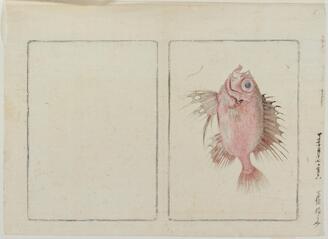
<p>This scrapbook features various species of fish drawn on 1,864 pieces of paper. Most of these are cuttings from other albums, though there are new illustrations too, including 571 drawn by Kurimoto Masayoshi, a physician who worked for the samurai government in the 19th century. Around half of these are copied from an 18th century album. This scrapbook also features illustrations by Takahashi Yuichi, one of the first Japanese painters to properly study Western oil painting techniques. Ten painters were involved with the production of these illustrations in total.<br /><br />The fish are drawn in meticulous detail, some with delicate brushstrokes and others with a riot of color. The natural feel of some illustrations has been enhanced by the addition of color from underneath or the application of a lustrous shiny powder. The illustrations are also accompanied by inscriptions recording distinguishing features such as shape and color as well as alternative names and breeding grounds.<br /><br />The study of natural history took off in Japan from the 18th century as researchers began to make detailed records about animals, plants and minerals. This led to the compilation of reference books filled with detailed illustrations and information. This example is one of the scrapbooks of large animal and plant illustrations compiled by Tanaka Yoshio, a natural historian who played a pivotal role in the establishment of the Tokyo National Museum in 1872.</p>
館長からの一言:おそらくマツカサダイの1種です。赤い魚体と特徴的な鰭が目立ちます。
- Volume 4 of "The Museum's Illustrations of Fish"
博物局編、栗本丹洲他画,Compiled by the Museum Bureau, illustrated by Kurimoto Tanshū (1756–1834) and others,東京国立博物館,Tokyo National Museum
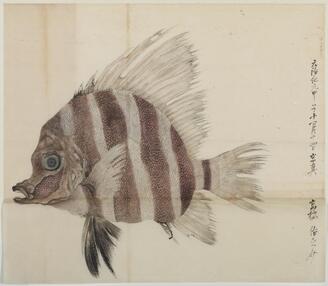
<p>This scrapbook features various species of fish drawn on 1,864 pieces of paper. Most of these are cuttings from other albums, though there are new illustrations too, including 571 drawn by Kurimoto Masayoshi, a physician who worked for the samurai government in the 19th century. Around half of these are copied from an 18th century album. This scrapbook also features illustrations by Takahashi Yuichi, one of the first Japanese painters to properly study Western oil painting techniques. Ten painters were involved with the production of these illustrations in total.<br /><br />The fish are drawn in meticulous detail, some with delicate brushstrokes and others with a riot of color. The natural feel of some illustrations has been enhanced by the addition of color from underneath or the application of a lustrous shiny powder. The illustrations are also accompanied by inscriptions recording distinguishing features such as shape and color as well as alternative names and breeding grounds.<br /><br />The study of natural history took off in Japan from the 18th century as researchers began to make detailed records about animals, plants and minerals. This led to the compilation of reference books filled with detailed illustrations and information. This example is one of the scrapbooks of large animal and plant illustrations compiled by Tanaka Yoshio, a natural historian who played a pivotal role in the establishment of the Tokyo National Museum in 1872.</p><br /><p>This album includes 1,864 images depicting various types of fish. Some illustrations were taken from other albums while others were newly drawn specifically for this project. The illustrators include Kurimoto Tanshū, a doctor and natural scientist, and Takahashi Yuichi, an oil painter.</p>
館長からの一言:テングダイという魚です。姿や色がとても正確に描かれていて、一目見た瞬間にこの魚だとわかるほどでした。
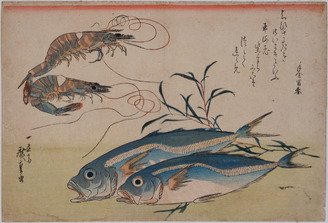
- Aquatic Life:
歌川広重筆,By Utagawa Hiroshige (1797-1858),東京国立博物館,Tokyo National Museum
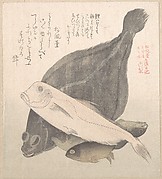
館長からの一言:風景画で著名な歌川広重がアジとエビを描いています。

第三章 〜娯楽とその他〜
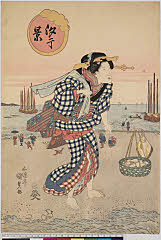
江戸時代の海の娯楽〈潮干狩り〉
館長からの一言:皆さんは潮干狩りをしたことはありますか?潮干狩りとは、砂浜や干潟で貝やカニをとるレジャーのことです。この娯楽は、江戸時代から存在しました。当時は、品川や高輪でも潮干狩りを楽しむことができました。当時から、アサリ、ハマグリなど貝類はとても人気がありました。当時の俳句に「親にらむ 平目を踏まん 汐干かな」というものがあるように、コチや平目を手で掬うこともできました。
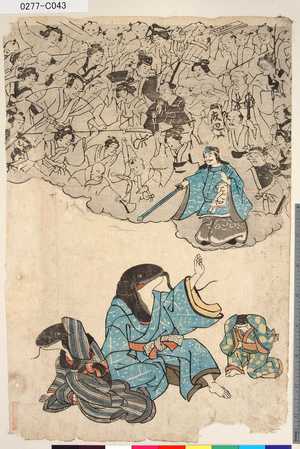
江戸時代の防災〈ナマズ〉
館長からの一言:話は海から逸れますが、地震はナマズが起こしていると言ったような話は聞いたことがあると思います。今でも東京都の地震に関する看板にはナマズの絵が使用されています。この時代では、地に這いつくばっているナマズが大地を揺らし地震を起こしていると思われてきました。鯰絵というものもそれを表しています。これは、地震に乗じて金儲けをする人に対する風刺や、被災者の救済も描かれました。

おわりに
館長からの一言:皆さん、如何でしたでしょうか。皆さんの食卓に並ぶ魚介の過去について少しでも興味を持ってもらったらとても嬉しいです。少しでも関心を持った方は、以下のイベントや釣りなどの海と関わるレジャーに行くことをおすすめします!ご来場いただき、ありがとうございました。
企画 イベント
5月某日 潮干狩りイベント 費用:1500円 場所:横浜 海の公園 時間: 朝1000〜昼1400 定員:20名
12月某日 釣りイベント 費用:60000円(ホテル、移動代込み) 場所:北海道漁港(未定) 近くの民宿に宿泊予定 時間:2泊3日 定員:5名