
太刀 黒漆太刀 「獅子王」
館長からの一言 刀身が平安時代(12世紀ごろ)、それをしまう鞘が鎌倉時代末期(13~14世紀ごろ)に作られたものです。もしかしたら間違った情報が書かれているかもしれません。ご注意ください。
館長からの一言
無銘黒漆太刀の特徴は、まず少し細めで、腰のあたりから大きく反っている形をしているところです。昔の太刀らしい、きれいでのびのある姿をしています。元のほうがしっかりしているのも特徴です。
刃文は、まっすぐな直刃や、波みたいにゆれる形のものがあります。よく見ると細かくて、とてもきれいです。
拵は、鞘や柄が黒い漆でぬられていて、全体が黒でまとめられています。派手ではないけれど、強そうで落ち着いたかっこよさがあります。鞘の上のほうに糸を巻く渡巻というつくりがあるものもあります。
- 太刀 無銘 黒漆太刀(号 獅子王)
東京国立博物館
館長からの一言
無銘黒漆太刀の特徴は、まず少し細めで、腰のあたりから大きく反っている形をしているところです。昔の太刀らしい、きれいでのびのある姿をしています。元のほうがしっかりしているのも特徴です。
刃文は、まっすぐな直刃や、波みたいにゆれる形のものがあります。よく見ると細かくて、とてもきれいです。
拵は、鞘や柄が黒い漆でぬられていて、全体が黒でまとめられています。派手ではないけれど、強そうで落ち着いたかっこよさがあります。鞘の上のほうに糸を巻く渡巻というつくりがあるものもあります。
- Black-Lacquered Sword Mounting ("Kokushitsu no Tachi")
東京国立博物館,Tokyo National Museum
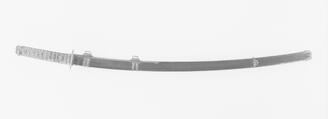
<p>Practical and sparingly decorated, black-lacquered sword mountings were widely used by the samurai from the 1200s to the 1500s. This example was passed down through the generations until it was acquired by the warlord Mōri Terumoto (1553–1625), who presented it as a diplomatic gift to an allied samurai clan.</p>
館長からの一言
無銘黒漆太刀の特徴は、まず少し細めで、腰のあたりから大きく反っている形をしているところです。昔の太刀らしい、きれいでのびのある姿をしています。元のほうがしっかりしているのも特徴です。
刃文は、まっすぐな直刃や、波みたいにゆれる形のものがあります。よく見ると細かくて、とてもきれいです。
拵は、鞘や柄が黒い漆でぬられていて、全体が黒でまとめられています。派手ではないけれど、強そうで落ち着いたかっこよさがあります。鞘の上のほうに糸を巻く渡巻というつくりがあるものもあります。
- Tachi (Long Sword) with Black-Lacquered Scabbard
京都国立博物館 Kyoto National Museum,Kyoto National Museum
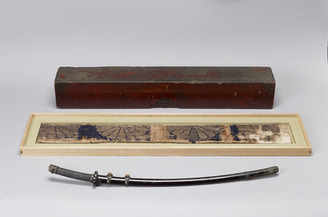
<p>This long sword (J., <i>tachi</i>) was made by Norimitsu, renowned swordsmith of the Osafune school in Bizen Province (present-day Okayama Prefecture). Thanks to the excellent state of preservation, characteristics of the Osafune style, for example, a gorgeous temper line with irregular cloves (J., <i>ch&ocirc;ji midare</i>), can be clearly observed. The <i>koshirae</i> (sword mountings) of this <i>tachi</i> follow the style of black-lacquered long swords (J., <i>kokushitu tachi</i>), accompanied by a silver brocade sack with chrysanthemums, and a red-lacquered <i>tachi</i> box. Because they exhibit aspects of the classic style, the mountings were probably made sometime during the Muromachi period (1392-1573), not too long after 1452 (Ky&ocirc;toku 2), the date that is inscribed in the sword. This work, originally owned by Kasuga Shrine in Nara, is extremely valuable, as both the sword and the mountings are extant in the complete form.</p>
館長からの一言
無銘黒漆太刀の特徴は、まず少し細めで、腰のあたりから大きく反っている形をしているところです。昔の太刀らしい、きれいでのびのある姿をしています。元のほうがしっかりしているのも特徴です。
刃文は、まっすぐな直刃や、波みたいにゆれる形のものがあります。よく見ると細かくて、とてもきれいです。
拵は、鞘や柄が黒い漆でぬられていて、全体が黒でまとめられています。派手ではないけれど、強そうで落ち着いたかっこよさがあります。鞘の上のほうに糸を巻く渡巻というつくりがあるものもあります。
- 太刀 銘 弘 附 黒漆打刀
渡辺義介氏寄贈,東京国立博物館

館長からの一言
無銘黒漆太刀の特徴は、まず少し細めで、腰のあたりから大きく反っている形をしているところです。昔の太刀らしい、きれいでのびのある姿をしています。元のほうがしっかりしているのも特徴です。
刃文は、まっすぐな直刃や、波みたいにゆれる形のものがあります。よく見ると細かくて、とてもきれいです。
拵は、鞘や柄が黒い漆でぬられていて、全体が黒でまとめられています。派手ではないけれど、強そうで落ち着いたかっこよさがあります。鞘の上のほうに糸を巻く渡巻というつくりがあるものもあります。
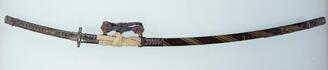
<p>This sword mounting reportedly belonged to Nanbu Masanaga (died 1360), a general who supported Emperor Godaigo in his rebellion against the shogun. The scabbard is made of black-lacquered wood reinforced with strips of silver-coated bronze. This type of construction was favored by elite samurai for its design and durability.</p>